
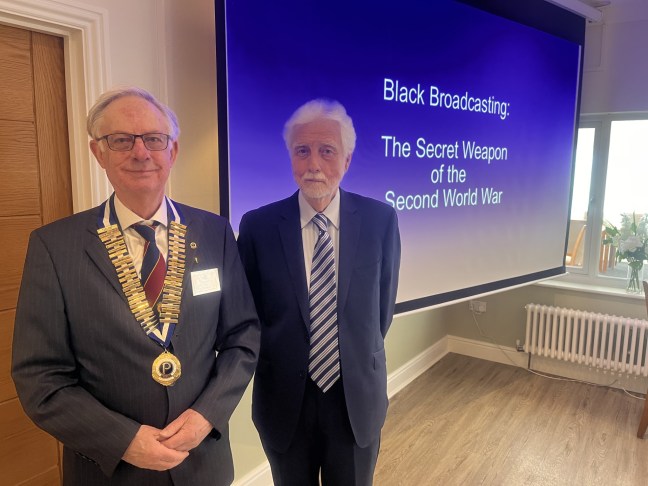
Members of the Probus Club of Basingstoke were treated to a fascinating slice of little‑known wartime history when speaker Guy Caplin explored the covert world of “black broadcasting” during the Second World War.
Most people recognise the chilling call sign “Germany calling, Germany calling,” made infamous by William Joyce—better known as Lord Haw-Haw—who broadcast Nazi propaganda in English from Germany. Joseph Goebbels, one of the most senior figures in the Nazi Party, understood the power of radio, and his propaganda machine was relentless. In response, Winston Churchill authorised Britain to develop its own clandestine broadcasting operation.
The BBC already produced German‑language programmes but refused to engage in subversive work. As a result, a secret unit was formed under the leadership of Dennis Sefton Delmer. Born in Berlin to an Australian professor, Delmer was fluent in German and had worked as the Daily Express newspaper’s foreign correspondent. His close contact with rising Nazi figures—including a 1931 interview with Hitler—made him simultaneously suspected by the Germans of being a British spy and by the British of being a German one.
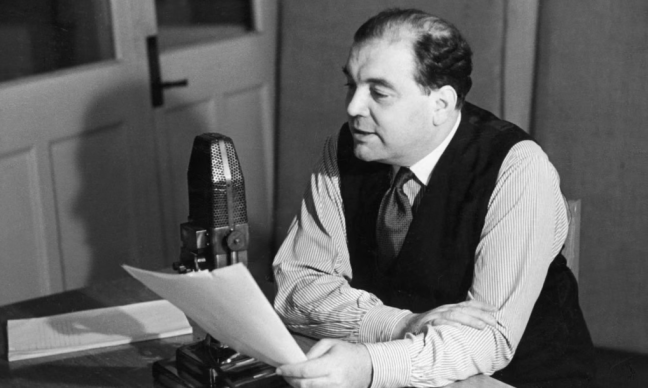
Delmer’s acquaintance with Commander Ian Fleming, then deputy head of Naval Intelligence and later creator of James Bond, likely helped secure his role. Delmer’s mission was to broadcast in German, blending accurate news with carefully crafted misinformation designed to sow doubt and anxiety within the German military.
A Network of Deception
The first of several covert radio stations was established at Wavendon Towers near Bletchley Park. These stations mimicked genuine German broadcasters with remarkable skill, using up‑to‑the‑minute news, recordings of Hitler’s speeches, and snippets of local detail supplied by agents to create an air of authenticity.
At Fleming’s request, a dedicated station was created to target the German navy and U‑boat crews operating in the North Atlantic. Styled after pre‑war commercial stations like Radio Luxembourg, it played popular German songs, British orchestras performing German music, and American dance band tracks—much to the irritation of German authorities but to the delight of listeners. Interspersed among the entertainment were subtle pieces of misinformation.
One of the British operation’s greatest advantages was speed. German broadcasts were slowed by layers of internal checks, while British stations could leap ahead, airing news before the enemy could. Agents even supplied local football results, and a popular presenter known as “Vicki” took music requests, further enhancing the illusion of legitimacy.
Influencing the Axis
Fleming also oversaw the creation of Radio Livorno, an English‑run but Italian‑language station. Its propaganda proved so persuasive that, fearing the British advance through southern Italy, the Italian navy surrendered its fleet to the British in Malta.
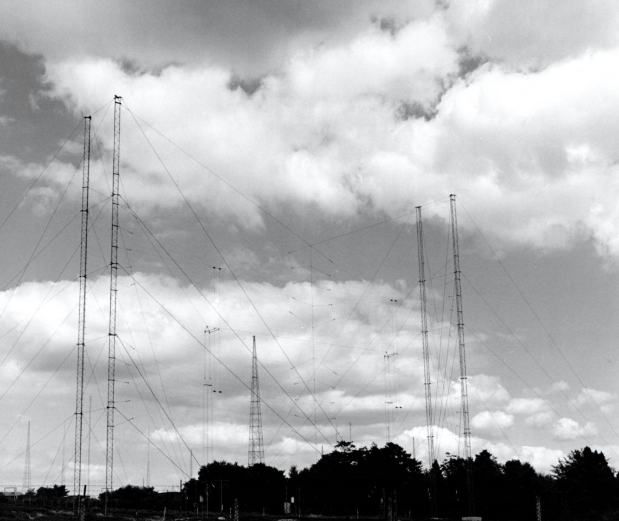
Another major asset was the Aspidistra transmitter at Crowborough in Sussex. Named after the Gracie Fields song, it was the most powerful medium‑wave transmitter in the world at 500 kW. Its ability to switch frequencies instantly allowed it to replace German stations knocked off the air, convincing listeners they were still tuned to their local broadcaster.
Unusual Tactics
The British also experimented with more unconventional methods. The RAF dropped boxes containing homing pigeons and questionnaires, encouraging civilians to send back information—though many pigeons, sadly, ended up as food during shortages.
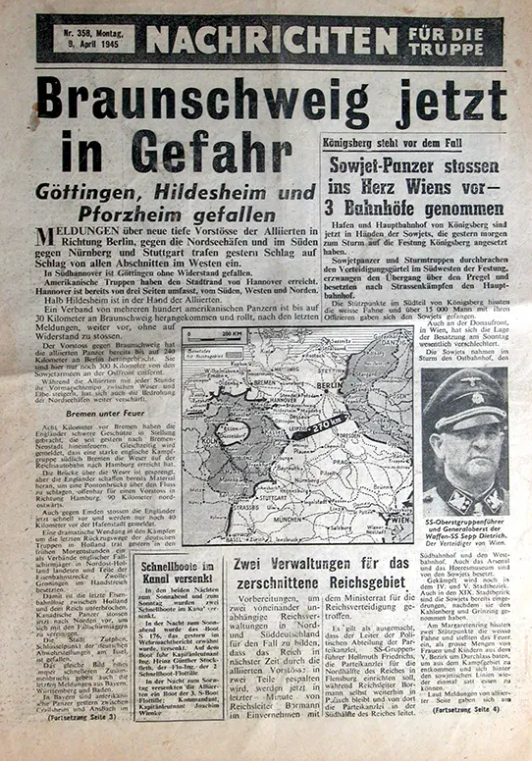
A daily newspaper summarising the previous day’s broadcasts was also printed and dropped over Germany, reinforcing the disinformation campaign and gradually eroding public confidence.
After the War
Following Germany’s defeat, Sefton Delmer was sent to help rebuild the German newspaper industry. With little support, he eventually returned to the Daily Express. In recognition of his wartime service, he was awarded the OBE in 1945, being described as a section head in the Foreign Office.


You must be logged in to post a comment.