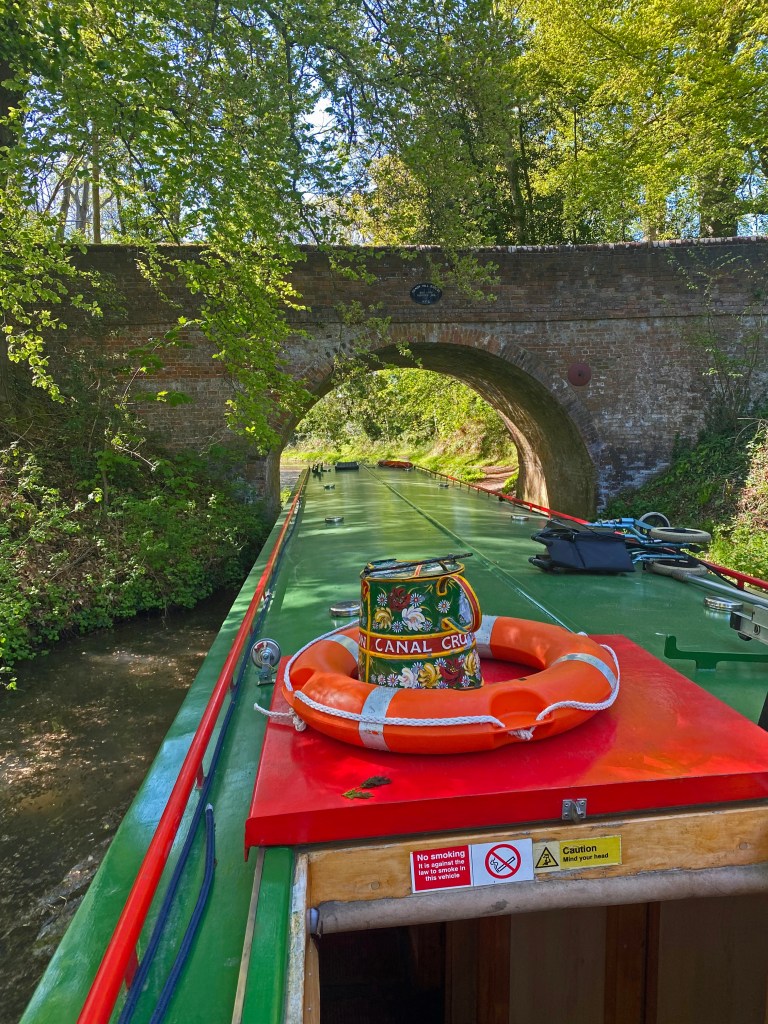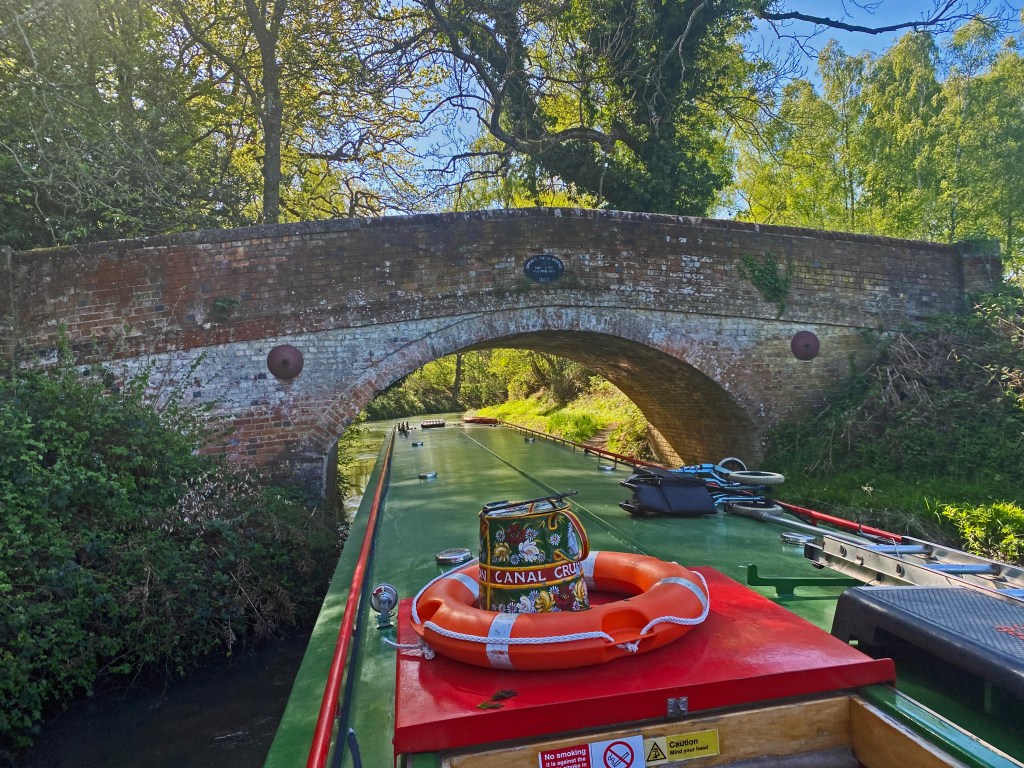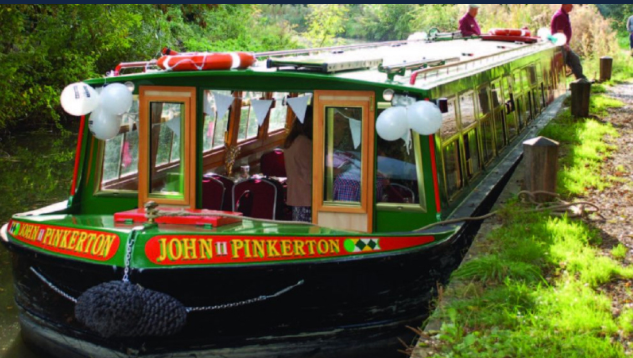
Probus Club Cruise on “John Pinkerton” 23 April 2026

Report by Outings Organiser Chris Perkins MVO

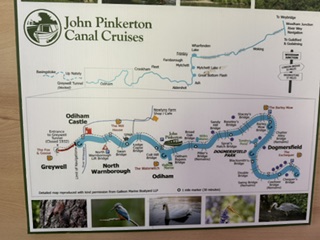
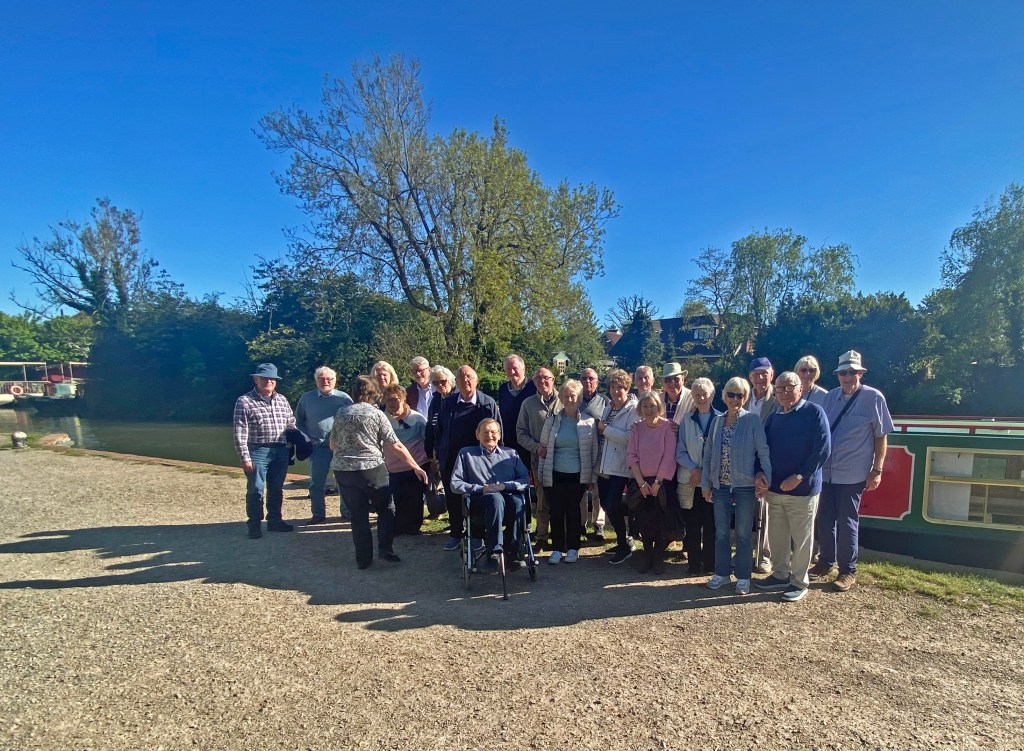
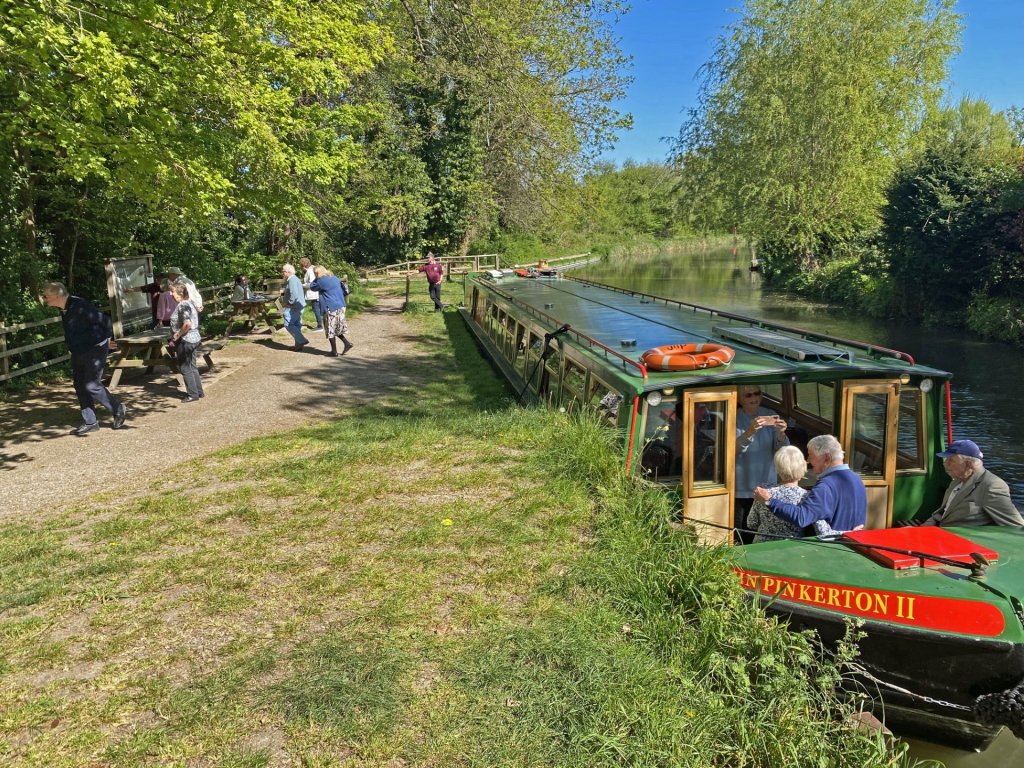
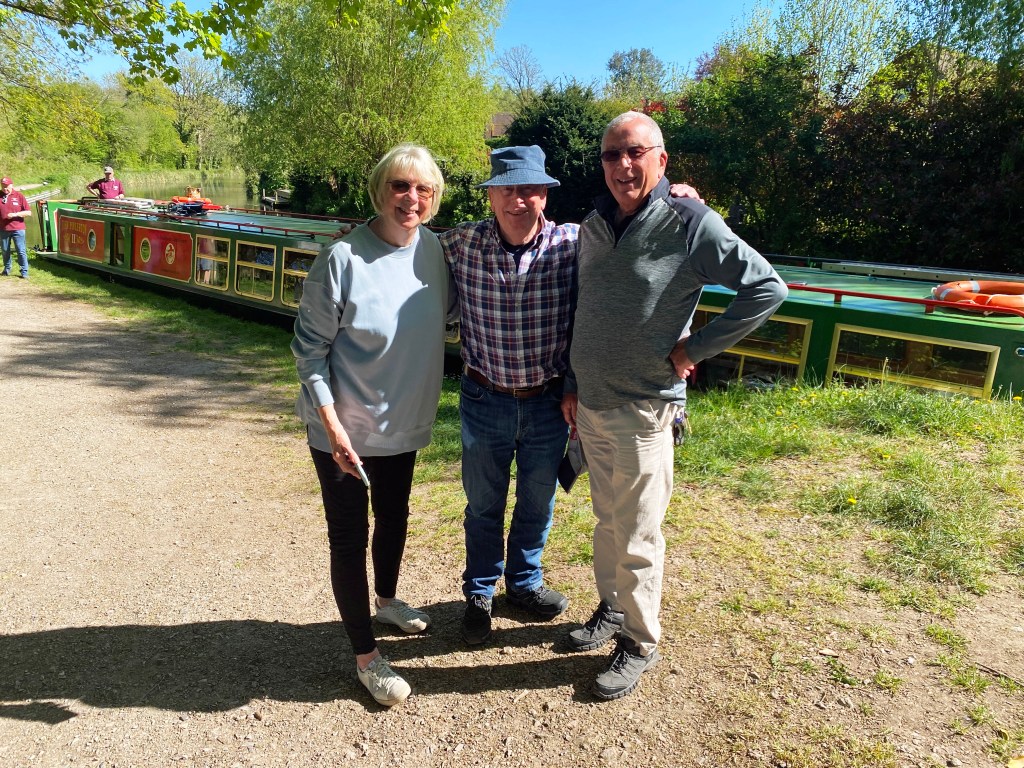
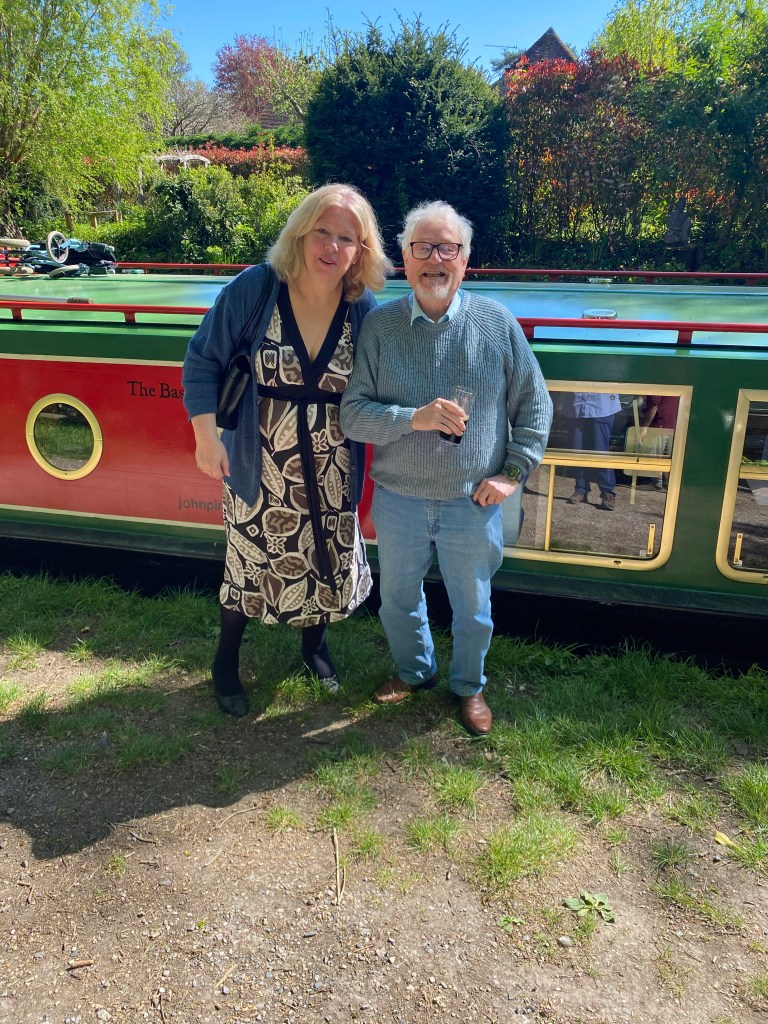
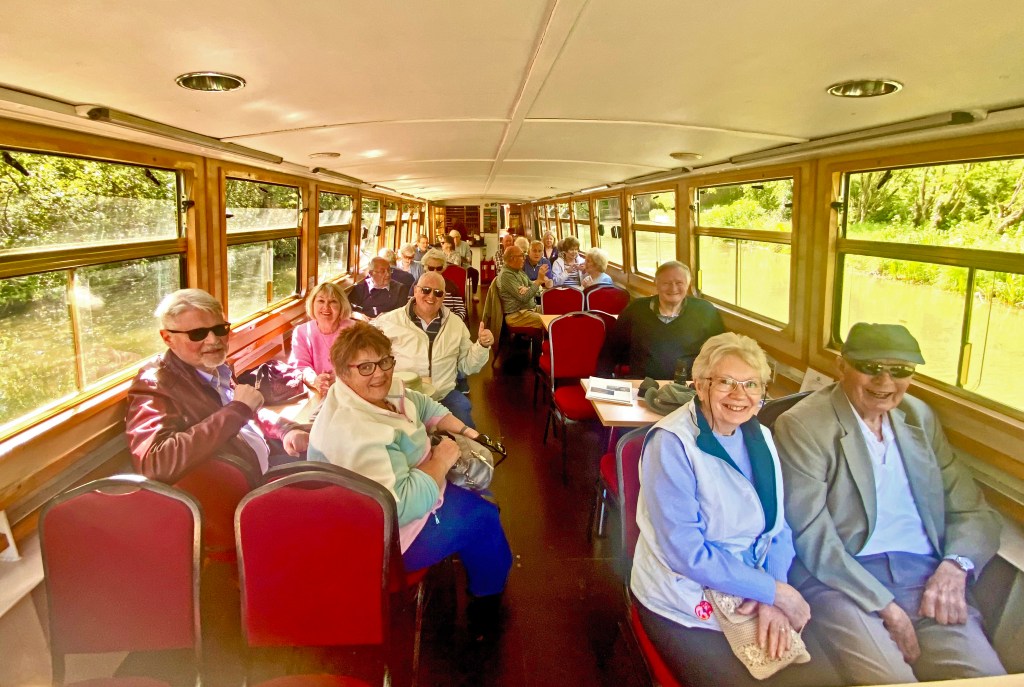
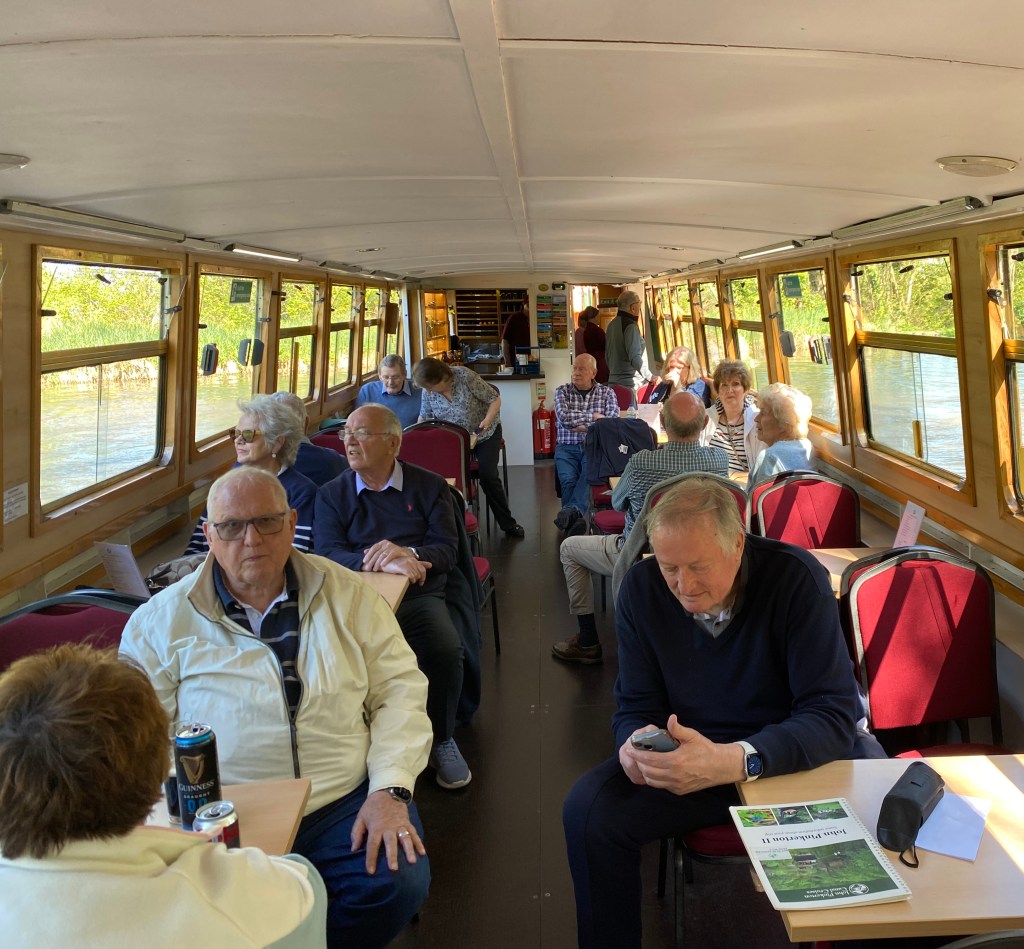
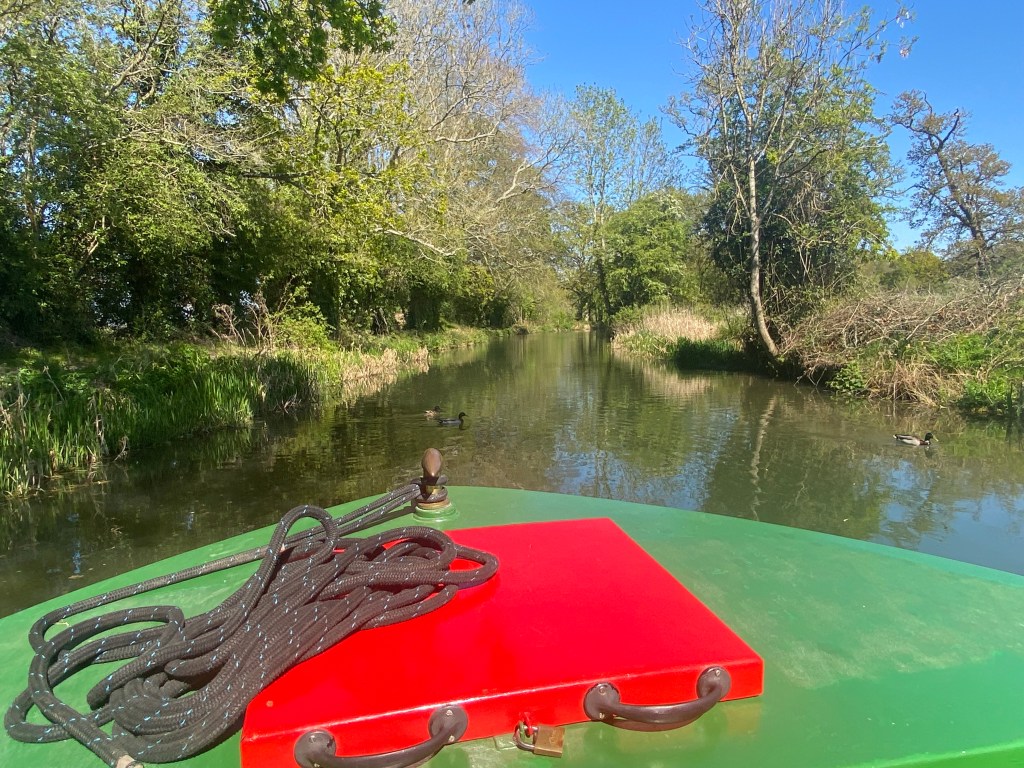
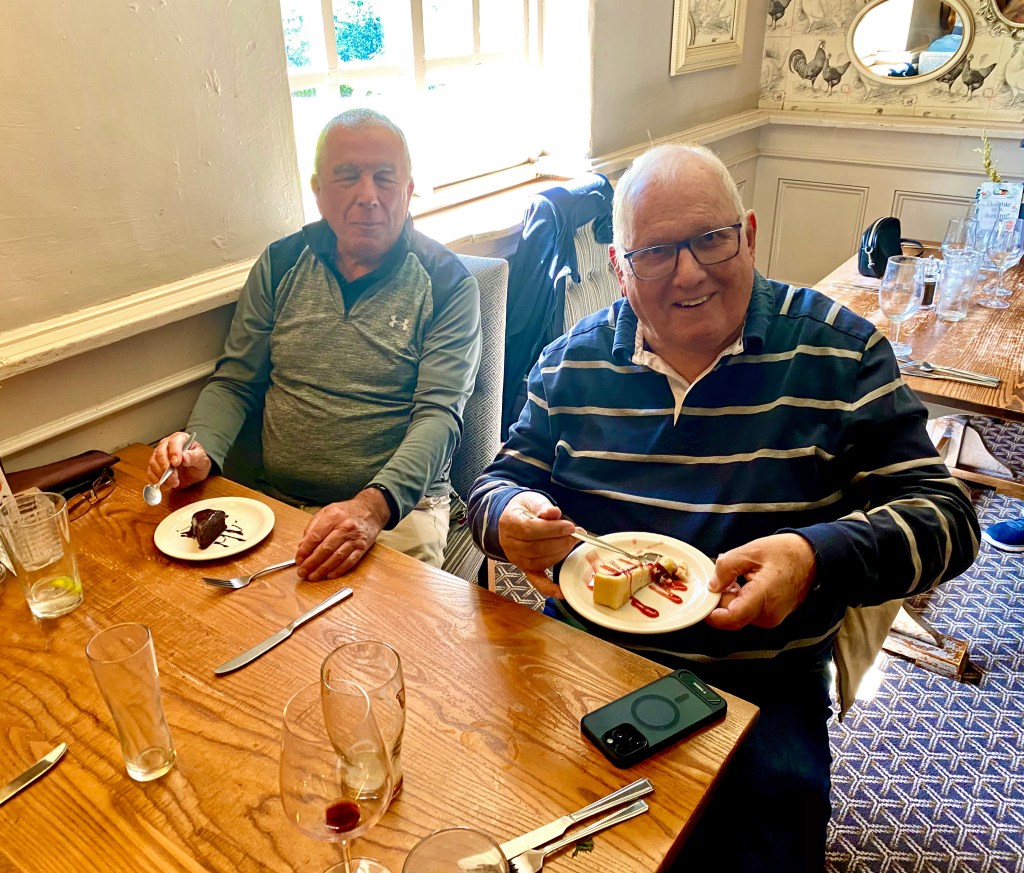
A warm, fine sunny April day greeted our group of twenty-three members and partners of the Probus Club of Basingstoke for a cruise on the Basingstoke Canal from Odiham to Church Crookham.  A number of us met up beforehand and enjoyed a good lunch and chat in the Waterwitch Pub alongside the canal. 

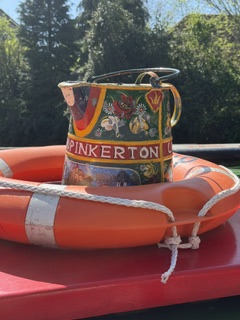
The first plans for the development of the Basingstoke Canal were drawn up in 1776, as a means of transporting agricultural produce from central Hampshire. Approved by an Act of Parliament the construction contract was awarded to John Pinkerton, and his local family of contractors: his memory lives on to this day with one of the barges bearing his name. The waterway was completed in 1794 and connected Basingstoke with the River Thames at Weybridge via the Wey Navigation

It has had mixed fortunes ever since, not least tunnel collapses, bankruptcies, falling demand and constant limited water supply. It was never a commercial success and, starting in 1950, a lack of maintenance allowed the canal to become increasingly derelict.

In 1966 the Surrey and Hampshire Canal Society (now renamed the Basingstoke Canal Society) was formed by a group of local enthusiasts, with a view to reopening the derelict canal.  Restoration commenced in 1977 and on 10 May 1991 the canal was reopened as a fully navigable waterway stretching for 32 miles.

Today, the Canal provides a superb facility for water activities, a haven for wildlife (it is an SSSI), an amenity for recreation and well-being, and a heritage asset. It is run by the Basingstoke Canal Authority (BCA), using public money from the Surrey and Hampshire County councils and from local councils along its restored length.  Notwithstanding modern-day financial constraints, the Society works with the BCA to make the most of opportunities to promote the Canal with its owners, users and the General Public.

All told, it was a wonderful afternoon on the canal aboard the “John Pinkerton”. The crew of four volunteers, led by ‘Skipper’ Tony Welsh, were extremely friendly and well informed, pointing out points of interest and wildlife en-route.  An on-board galley served hot and cold drinks including alcoholic along with snack items. They were well priced too. The weather was absolutely perfect and the boat was beautifully presented and comfortable too. It was indeed a very pleasant and relaxing afternoon and a most calming experience for all of us.
Probus Learn About Black Broadcasting the Secret Weapon of WW2

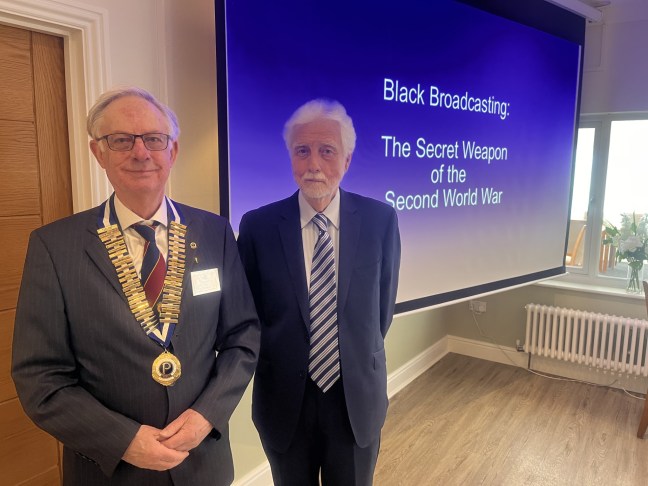
President Stephen Thair with speaker Guy Caplin

Members of the Probus Club of Basingstoke were treated to a fascinating slice of little‑known wartime history when speaker Guy Caplin explored the covert world of “black broadcasting” during the Second World War.

Most people recognise the chilling call sign “Germany calling, Germany calling,” made infamous by William Joyce—better known as Lord Haw-Haw—who broadcast Nazi propaganda in English from Germany. Joseph Goebbels, one of the most senior figures in the Nazi Party, understood the power of radio, and his propaganda machine was relentless. In response, Winston Churchill authorised Britain to develop its own clandestine broadcasting operation.

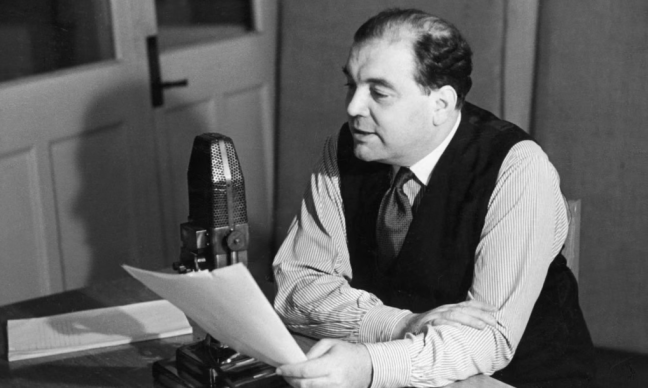
The BBC already produced German‑language programmes but refused to engage in subversive work. As a result, a secret unit was formed under the leadership of Dennis Sefton Delmer. Born in Berlin to an Australian professor, Delmer was fluent in German and had worked as the Daily Express newspaper’s foreign correspondent. His close contact with rising Nazi figures—including a 1931 interview with Hitler—made him simultaneously suspected by the Germans of being a British spy and by the British of being a German one.

Sefton Delmer broadcasting to German audiences in 1941

Delmer’s acquaintance with Commander Ian Fleming, then deputy head of Naval Intelligence and later creator of James Bond, likely helped secure his role. Delmer’s mission was to broadcast in German, blending accurate news with carefully crafted misinformation designed to sow doubt and anxiety within the German military.

A Network of Deception

The first of several covert radio stations was established at Wavendon Towers near Bletchley Park. These stations mimicked genuine German broadcasters with remarkable skill, using up‑to‑the‑minute news, recordings of Hitler’s speeches, and snippets of local detail supplied by agents to create an air of authenticity.

At Fleming’s request, a dedicated station was created to target the German navy and U‑boat crews operating in the North Atlantic. Styled after pre‑war commercial stations like Radio Luxembourg, it played popular German songs, British orchestras performing German music, and American dance band tracks—much to the irritation of German authorities but to the delight of listeners. Interspersed among the entertainment were subtle pieces of misinformation.

One of the British operation’s greatest advantages was speed. German broadcasts were slowed by layers of internal checks, while British stations could leap ahead, airing news before the enemy could. Agents even supplied local football results, and a popular presenter known as “Vicki” took music requests, further enhancing the illusion of legitimacy.

Influencing the Axis

Fleming also oversaw the creation of Radio Livorno, an English‑run but Italian‑language station. Its propaganda proved so persuasive that, fearing the British advance through southern Italy, the Italian navy surrendered its fleet to the British in Malta.

Aspidistra the world’s most powerful radio transmitter

Another major asset was the Aspidistra transmitter at Crowborough in Sussex. Named after the Gracie Fields song, it was the most powerful medium‑wave transmitter in the world at 500 kW. Its ability to switch frequencies instantly allowed it to replace German stations knocked off the air, convincing listeners they were still tuned to their local broadcaster.

Unusual Tactics

The British also experimented with more unconventional methods. The RAF dropped boxes containing homing pigeons and questionnaires, encouraging civilians to send back information—though many pigeons, sadly, ended up as food during shortages.

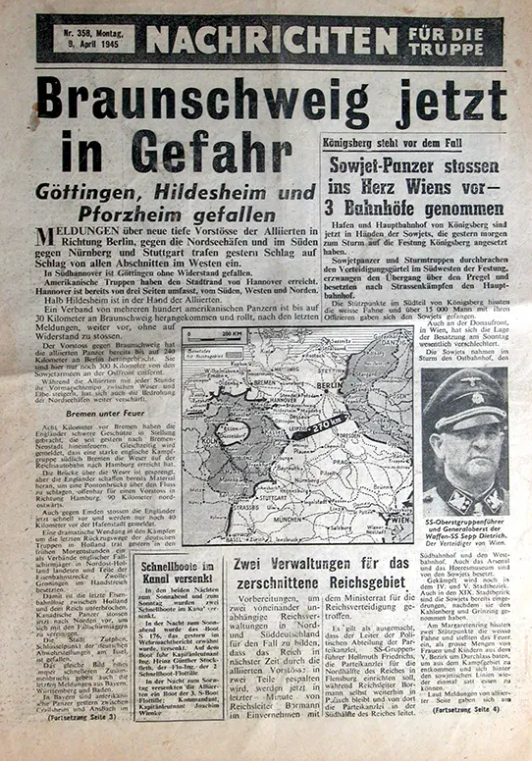
A daily newspaper summarising the previous day’s broadcasts was also printed and dropped over Germany, reinforcing the disinformation campaign and gradually eroding public confidence.

German language newspaper dropped by RAF

After the War

Following Germany’s defeat, Sefton Delmer was sent to help rebuild the German newspaper industry. With little support, he eventually returned to the Daily Express. In recognition of his wartime service, he was awarded the OBE in 1945, being described as a section head in the Foreign Office.


Probus Publicity in April 2026

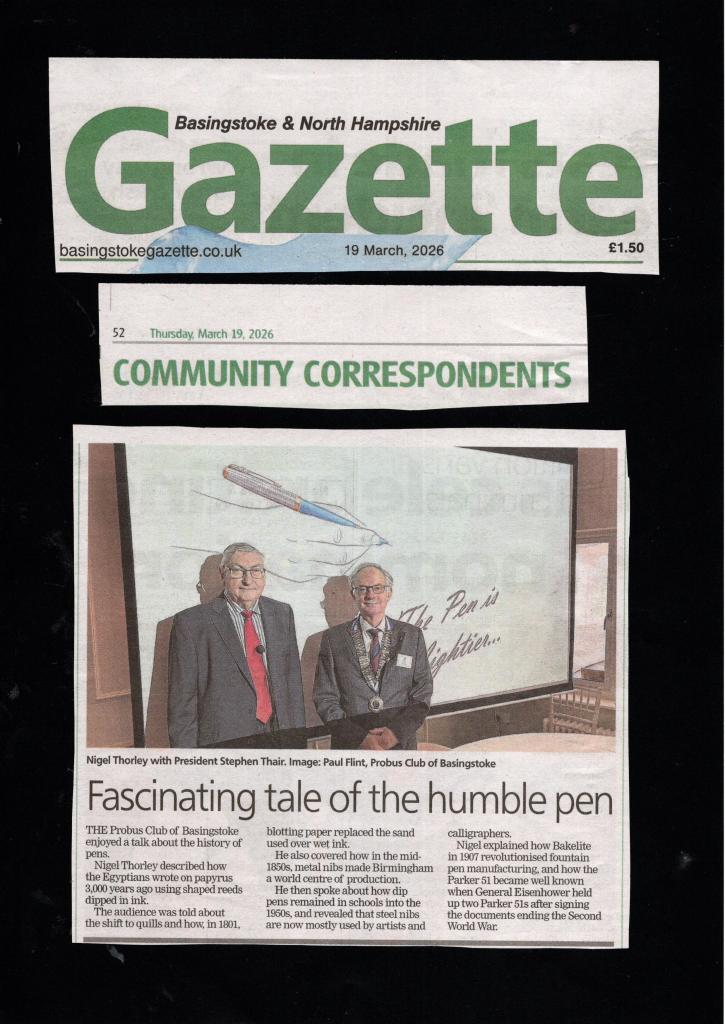
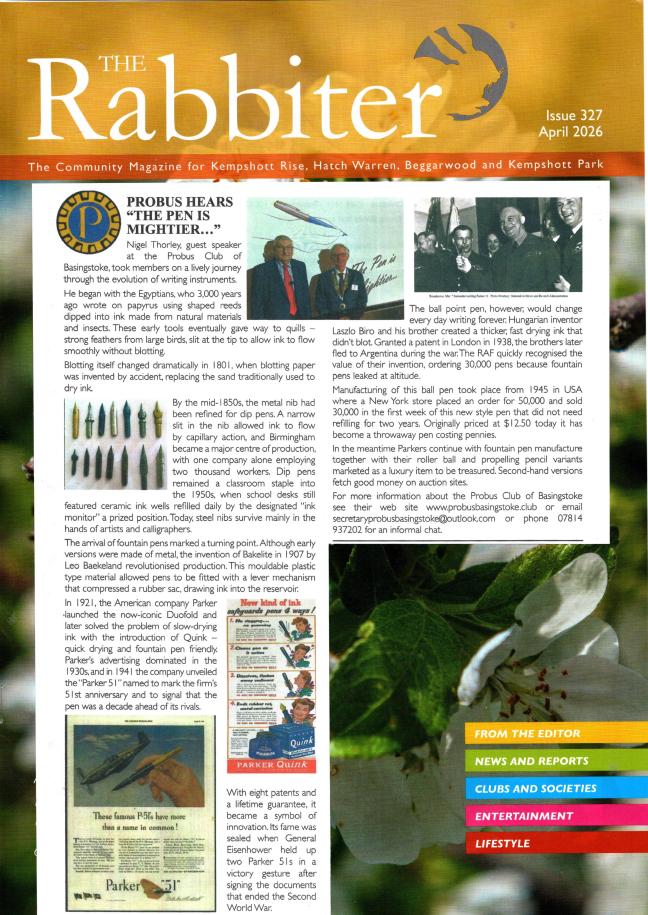
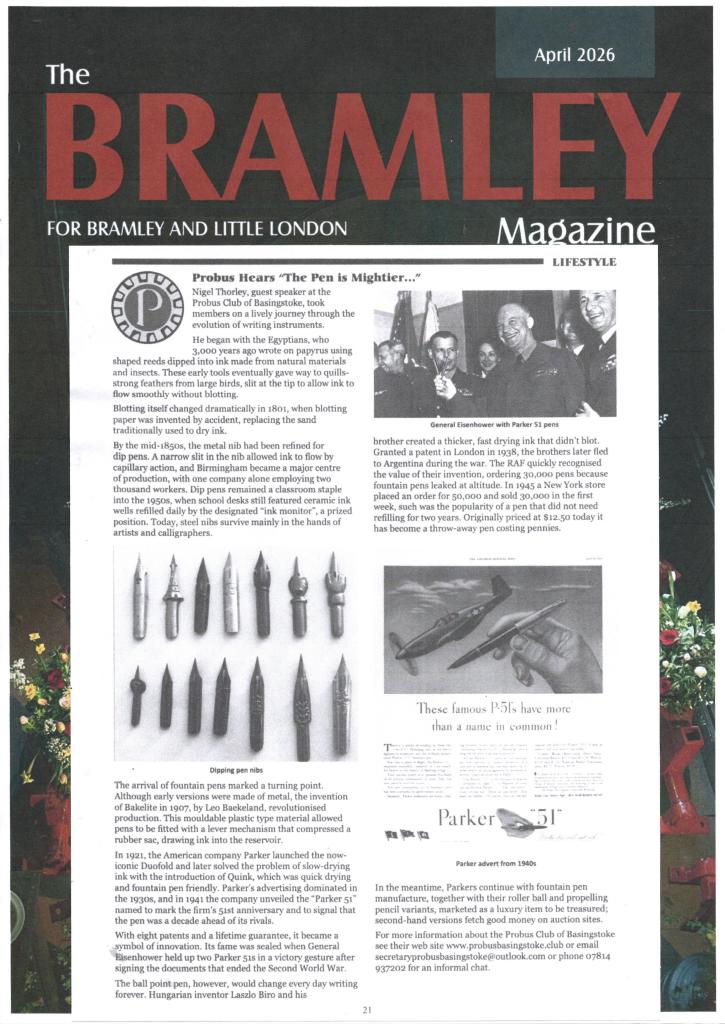
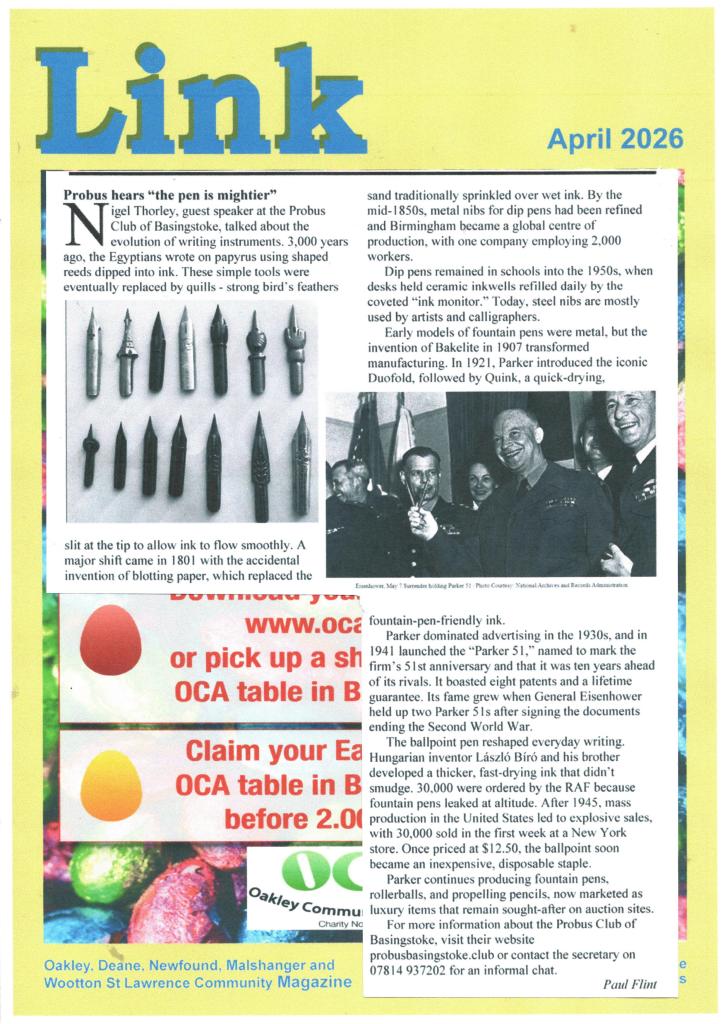
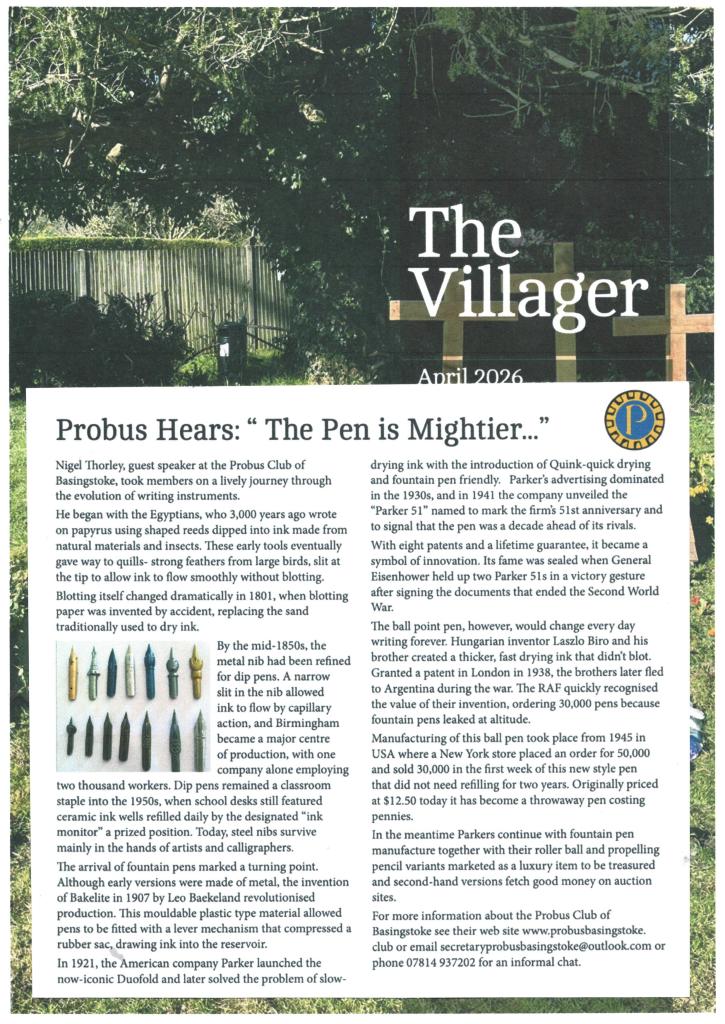
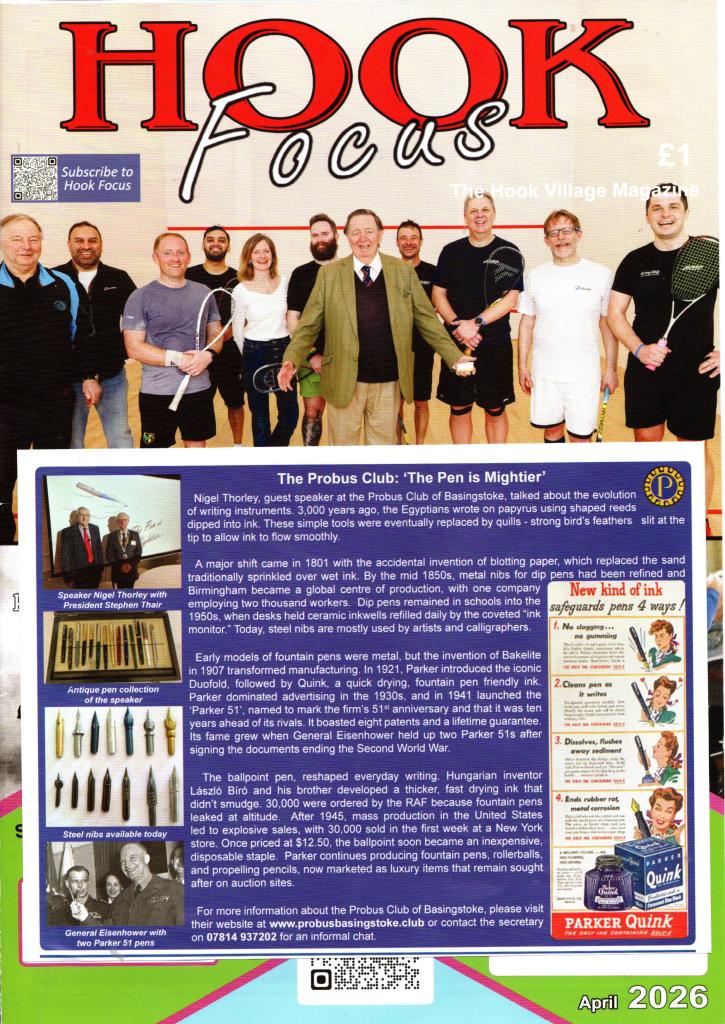
A good month for publicity with the Basingstoke Gazette carrying our report on The Pen is Mightier… and the Hook Focus giving us space for the first time while the Chineham People magazine proves elusive

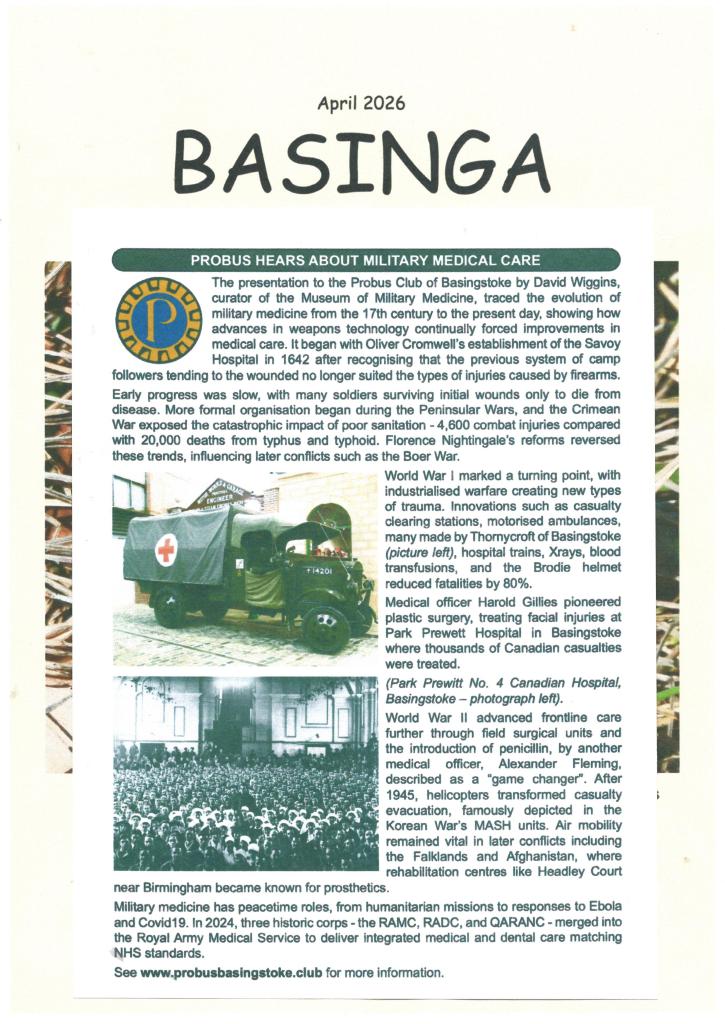
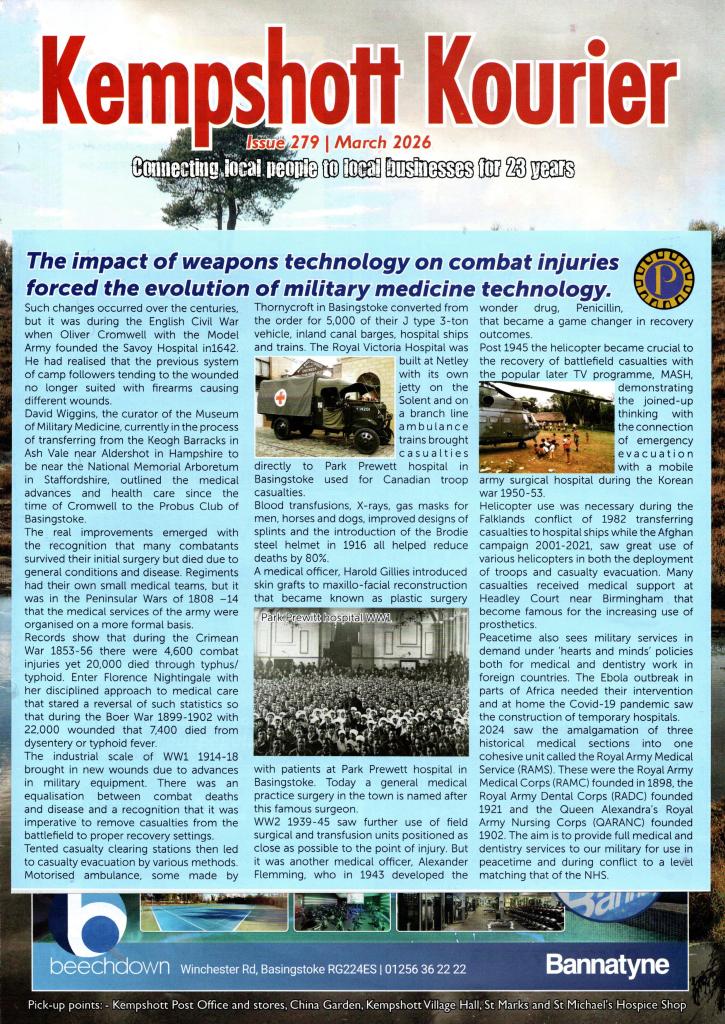
The Kempshott Kourier- traditionally publishing later in the month, and the Basinga,  who just held things back, ran with the Military Medical report from the previous month.