
It started like any other working day for David Stiles, but it ended up with his action of using a garden implement helped save the life of a crashed pilot.
This happened at the College of Air Training (CoT) centre at the Hamble aerodrome in southern Hampshire. The centre had been set up in the 1960s when it was realised that there were insufficient ex-RAF pilots needed by BOAC (British Overseas Airways Corporation} and BEA (British European Airways} to be trained as civilian pilots for their expanding businesses.
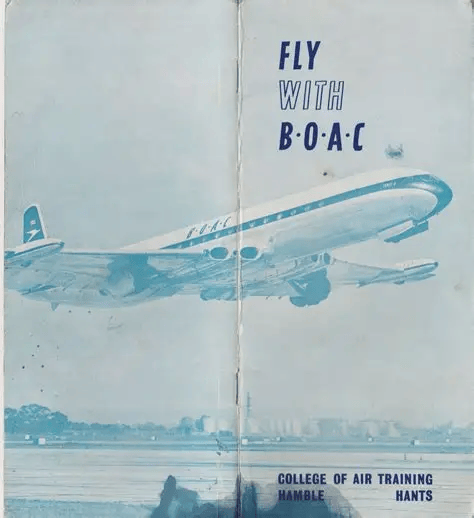
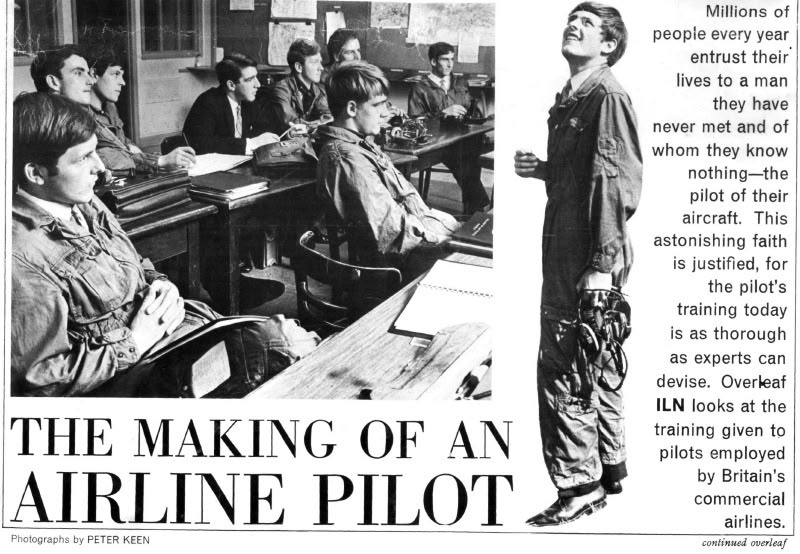
The small airfield at Hamble continued to be used by the Air Training Corps (ATC) and Southampton University Air Squadron but was considered suitable for training school leavers and university graduates who had no flying experience to become pilots.
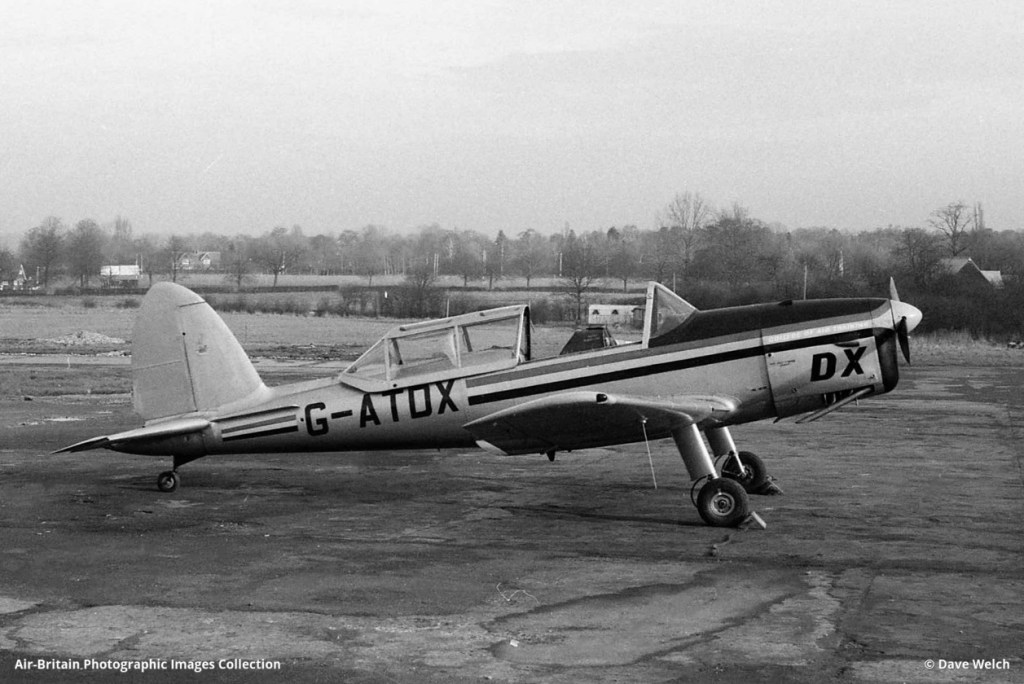
Following fifteen weeks of ground study, flight training commenced in the ubiquitous De Haviland Chipmunk gradually progressing to Piper Cheroke then on to twin engined Piper Apache and later Beechcraft Barons.
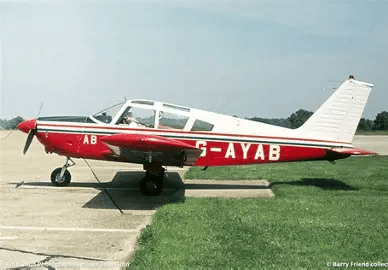
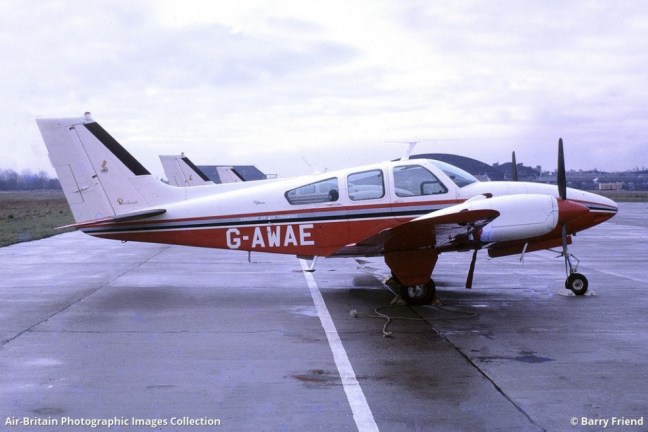
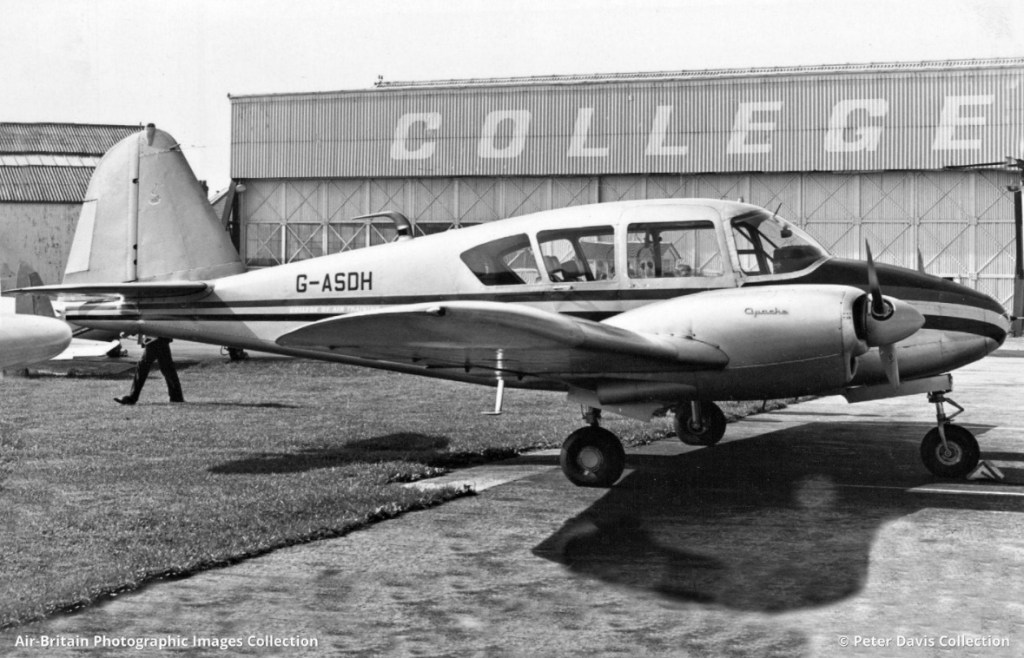
After two years cadets would leave the college with a British commercial pilot’s licence and a ‘frozen’ airline transport pilot’s licence, which could be converted into a full ATPL after further examinations and having accumulated the requisite flying hours. This latter qualification would be needed if the pilot had ambitions ever to sit in the captain’s seat.
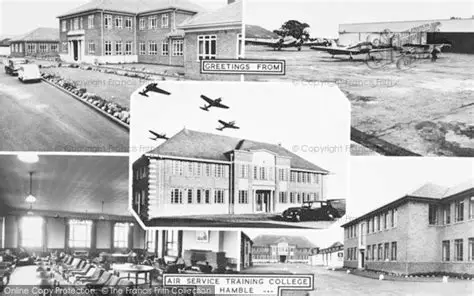
The College of Air Training operated to such high standards meant that nearly half of all cadets failed to successfully complete their course. Its reputation encouraged the attendance of many foreign students that helped swell the successful trainees up to around two thousand before its closure in 1982.
With around sixty aircraft of different types at the training centre required a substantial maintenance team where David Stiles was responsible for radar and instrumentation. He, and three others, also had to drop their tools and act as assistant firemen should their elderly fire tender be required in an emergency.
The siren sounded at lunchtime on 7th December 1968. A trainee from the CoT was on the landing approach when it was suddenly hit by another unsighted aircraft belonging to the ATC. The instructor immediately took control and with a damaged tailplane successfully landed the De Haviland Chipmunk. But where was the other aircraft?
The immediate thought was that the offending plane had crashed near the village school. Arriving in the fire tender it was met by school children pointing to the adjacent bungalow and having parked in the road the fireman and David rushed to the back garden to find the wreckage of an upside-down Chipmunk. Expert opinion was that following the coming together of the two planes the offending one went into a stall and crashed into a tall fir tree that cushioned its landing. The action saw it demolish a potting shed knocking out the 86 years old resident where he had been working but he walked away uninjured.
The pilot was unconscious being held upside down by his safety harness. A decision had to be made whether to go back to the fire tender, fix hoses to bring in foam which would take some minutes, or, attempt to save the pilot before the plane might soon go up in flames as fuel from the damaged wing tanks was seeping towards the hot engine.
The decision was instantly made to try to save the pilot. The Chipmunk sliding cockpit canopy could not be opened as it was now touching the ground. David and a colleague went to the wrecked tail of the aircraft and tried to lift the rear end sufficiently to raise the cockpit canopy off the ground. Greater height was needed. Looking around the garden David spied a clothesline prop that might be useful. It was a strong straight tree branch with a large vee fork that hooked under the clothesline.
Using all their strength they lifted the tail and managed to fit the prop under part of what remained of the fuselage and gradually worked it along raising the aircraft sufficiently to clear the sliding canopy off the ground. Fortunately, the runners were still free so how to extract the unconscious pilot? Smacking the centre clasp the harness released the pilot headfirst on to the ground and they were able to slide the now recovering pilot sideways out of the wreckage.
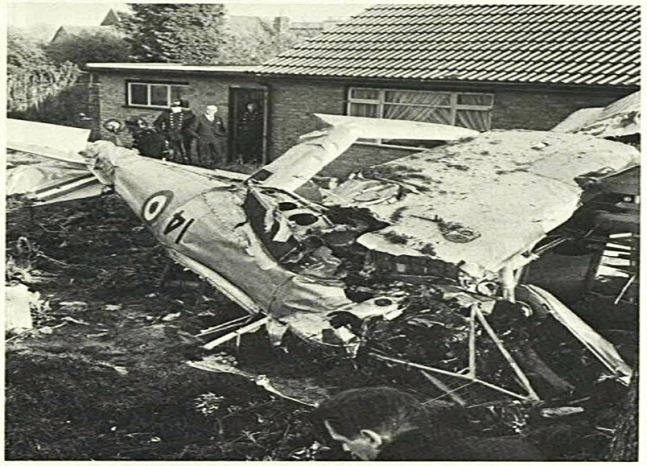
At that point the local fire brigade arrived and covered the plane with foam. An ambulance took the pilot to hospital where he fully recovered.
Two days later a statement was taken by the Chief Fire Officer and the local policeman. The engine was removed from the wreckage while the remainder was scrapped.
Had it been in wartime the response may have been different with some citation. But the fully recovered pilot returned presenting David and the fireman each with a bottle of Teacher’s whisky for their heroic actions in saving his life.


You must be logged in to post a comment.