News

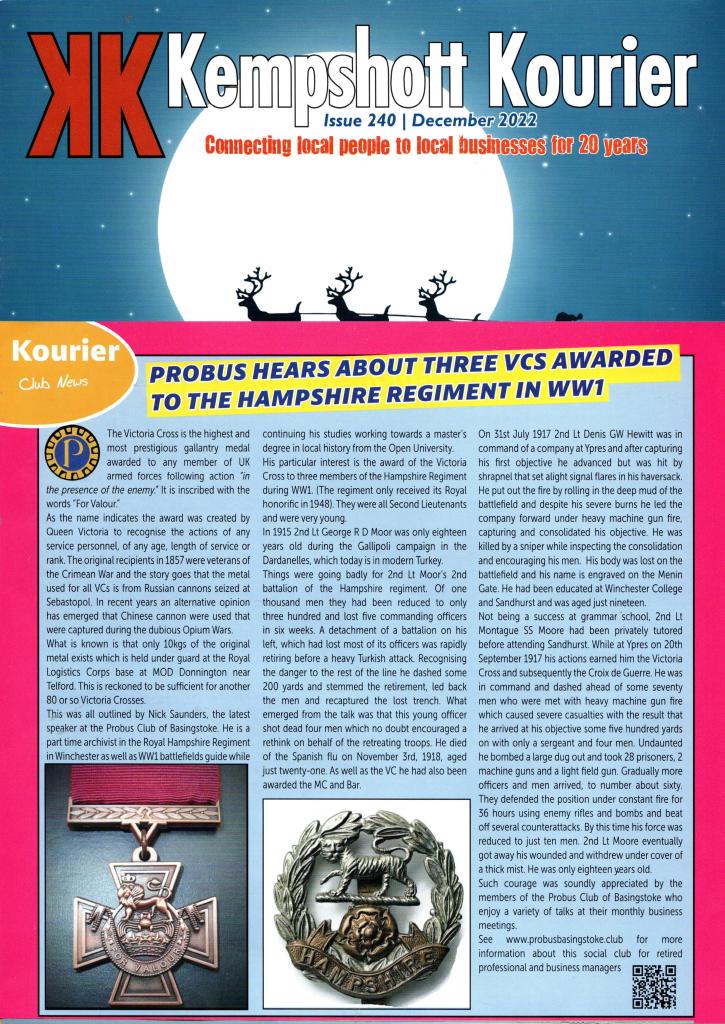
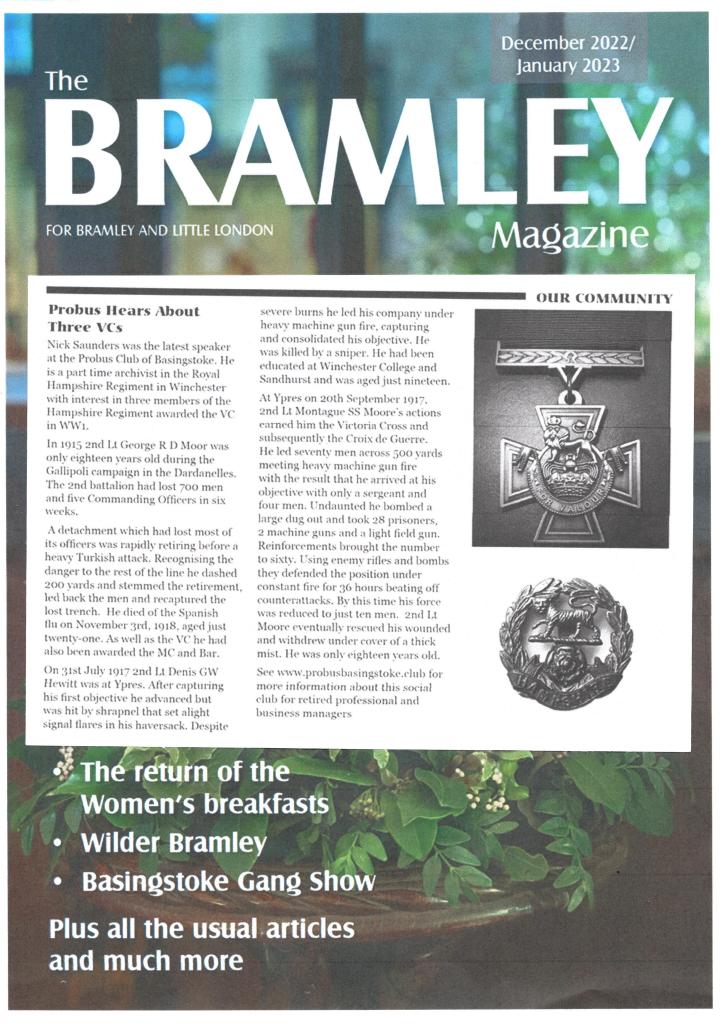
Probus Hears About Three Victoria Crosses Awarded to the Hampshire Regiment in WW1

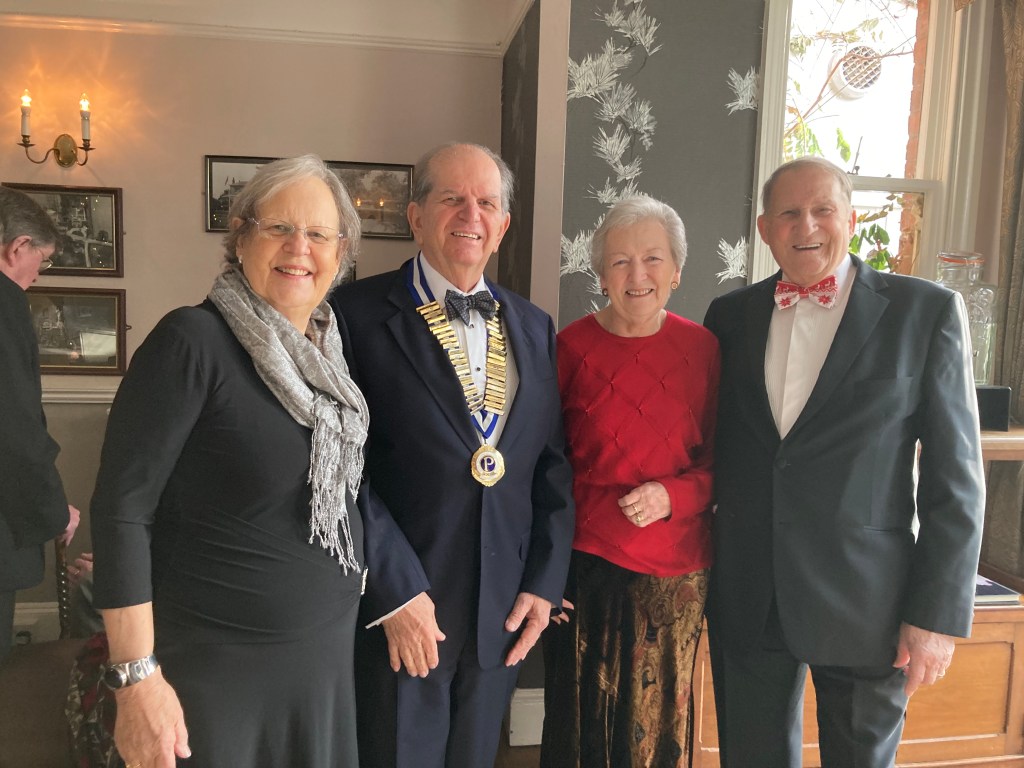
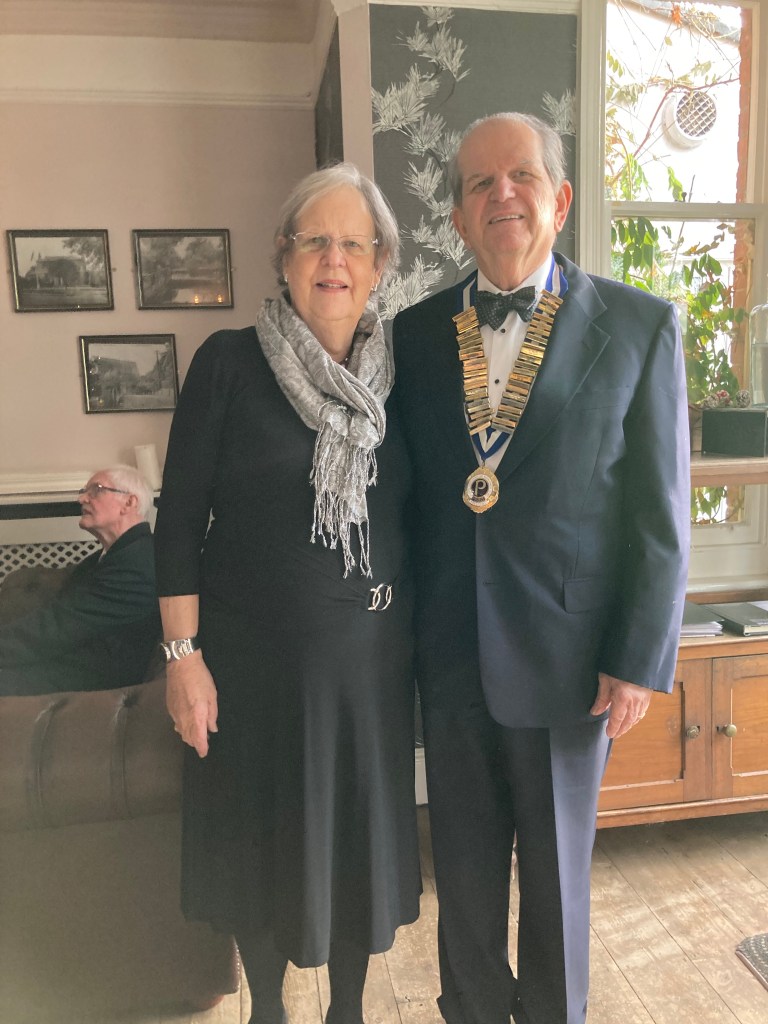
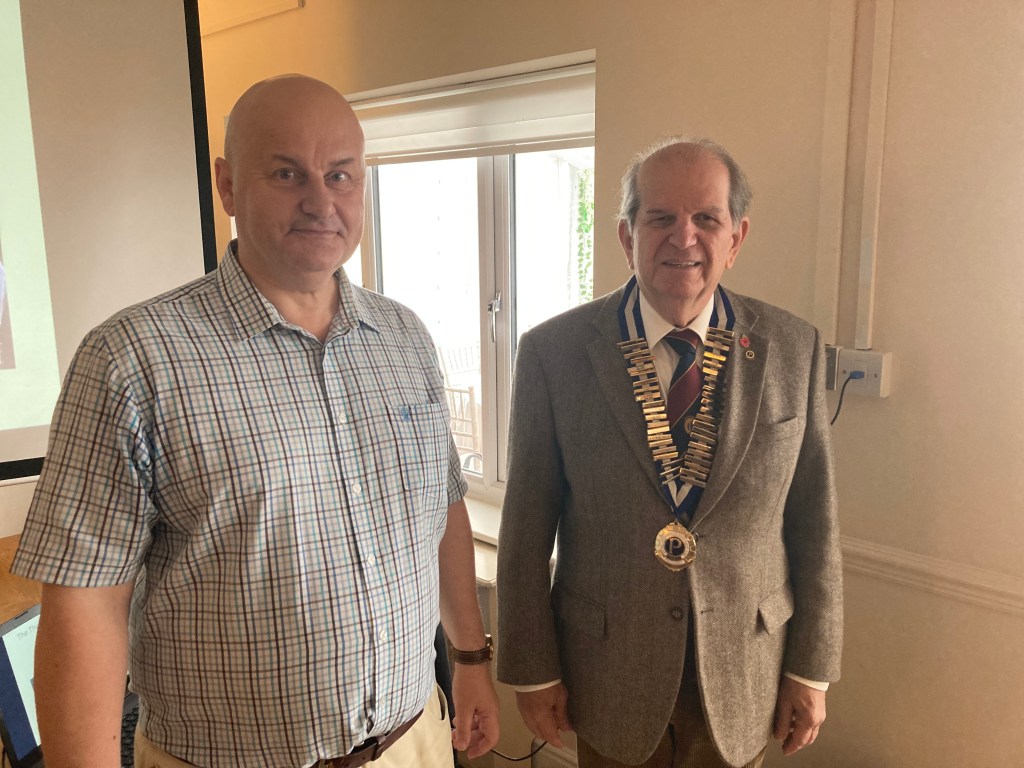
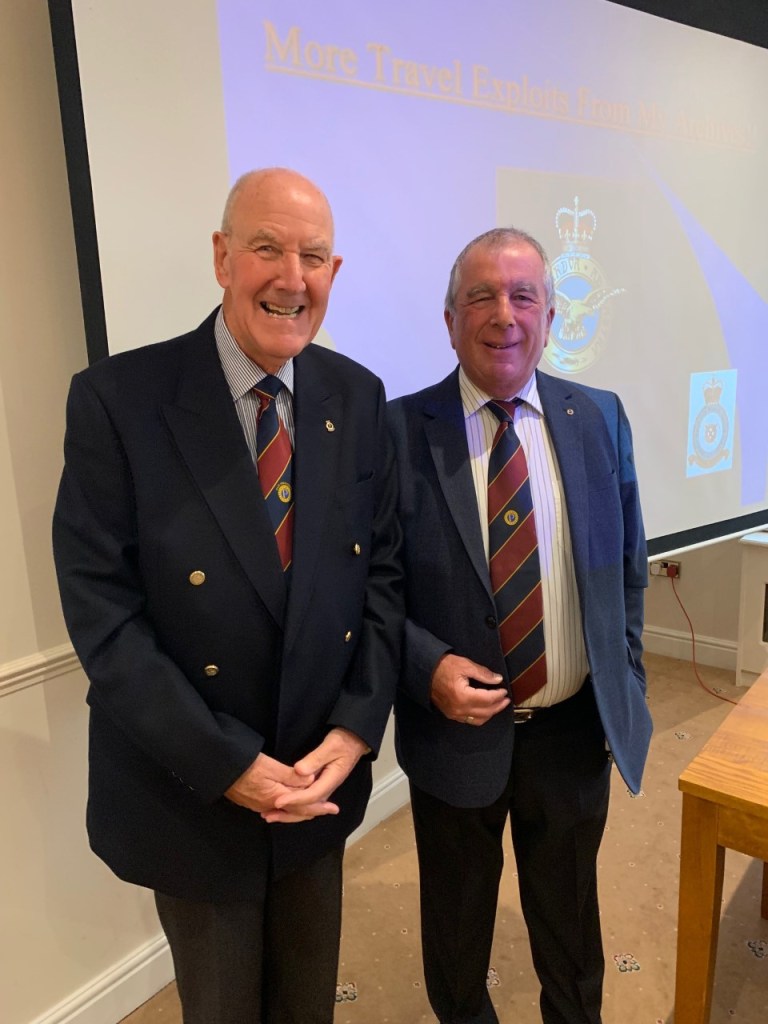
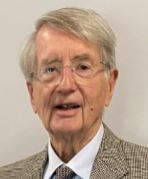
Speaker Nick Saunders with President Alex Marianos

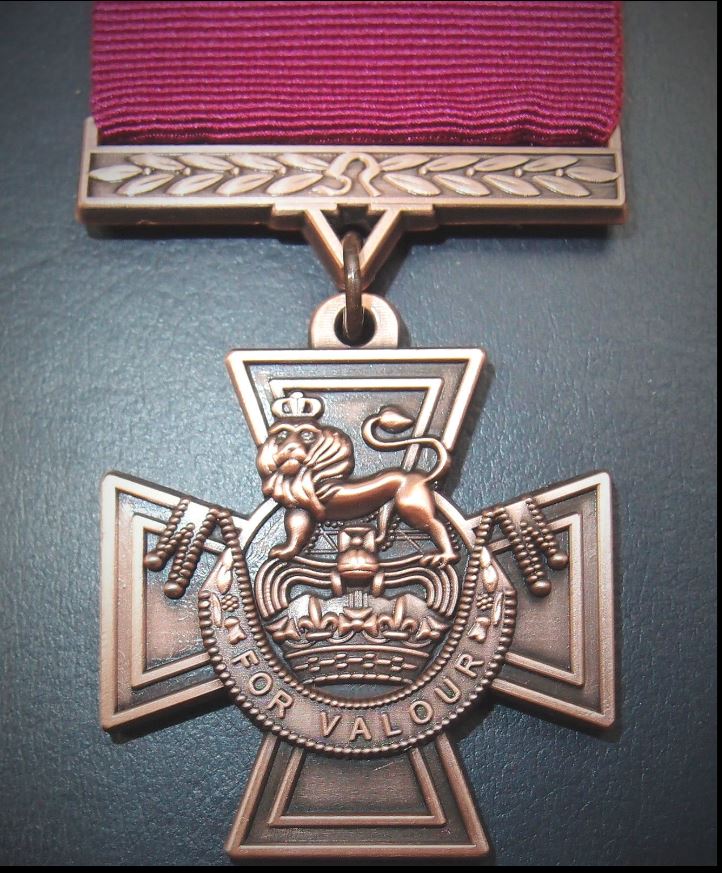
The Victoria Cross is the highest and most prestigious gallantry medal awarded to any member of UK armed forces following action “in the presence of the enemy.” It is inscribed with the words “For Valour.”

As the name indicates the award was created by Queen Victoria to recognise the actions of any service personnel, of any age, length of service or rank. The original recipients in 1857 were veterans of the Crimean War and the story goes that the metal used for all VCs is from Russian cannons seized at Sebastopol. In recent years an alternative opinion has emerged that Chinese cannon were used that were captured during the dubious Opium Wars.
What is known is that only 10 kgs of the original metal exists which is held under guard at the Royal Logistics Corps base at MOD Donnington near Telford. This is reckoned to be sufficient for another 80 or so Victoria Crosses.

This was all outlined by Nick Saunders, the latest speaker at the Probus Club of Basingstoke. He is a part time archivist in the Royal Hampshire Regiment in Winchester as well as WW1 battlefields guide while continuing his studies working towards a master’s degree in local history from the Open University.

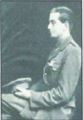
His particular interest is the award of the Victoria Cross to three members of the Hampshire Regiment during WW1. (The regiment only received its Royal honorific in 1948). They were all Second Lieutenants and were very young.

2nd Lt George Moor V.C. M.C. & Bar

In 1915 2nd Lt George R D Moor was only eighteen years old during the Gallipoli campaign in the Dardanelles, which today is in modern Turkey.

Things were going badly for 2nd Lt Moor’s 2nd battalion of the Hampshire regiment. Of one thousand men they had been reduced to only three hundred and lost five commanding officers in six weeks. A detachment of a battalion on his left, which had lost most of its officers was rapidly retiring before a heavy Turkish attack. Recognising the danger to the rest of the line he dashed some 200 yards and stemmed the retirement, led back the men and recaptured the lost trench. What emerged from the talk was that this young officer shot dead four men which no doubt encouraged a rethink on behalf of the retreating troops. He died of the Spanish flu on November 3rd, 1918, aged just twenty-one. As well as the V.C. he had also been awarded the M.C.and Bar.

2nd Lt Denis Hewitt V.C.

On 31st July 1917 2nd Lt Denis GW Hewitt was in command of a company at Ypres and after capturing his first objective he advanced but was hit by shrapnel that set alight signal flares in his haversack. He put out the fire by rolling in the deep mud of the battlefield and despite his severe burns he led the company forward under heavy machine gun fire, capturing and consolidated his objective. He was killed by a sniper while inspecting the consolidation and encouraging his men.  His body was lost on the battlefield and his name is engraved on the Menin Gate. He had been educated at Winchester College and Sandhurst and was aged just nineteen.

Not being a success at grammar school, 2nd Lt Montague SS Moore had been privately tutored before attending Sandhurst. While at Ypres on 20th September 1917 his actions earned him the Victoria Cross and subsequently the Croix de Guerre.

2nd Lt Montague Moore V.C. Croix de Guerre

He was in command and dashed ahead of some seventy men who were met with heavy machine gun fire which caused severe casualties with the result that he arrived at his objective some five hundred yards on with only a sergeant and four men. Undaunted he bombed a large dug out and took 28 prisoners, 2 machine guns and a light field gun. Gradually more officers and men arrived, to number about sixty. They defended the position under constant fire for 36 hours using enemy rifles and bombs and beat off several counterattacks. By this time his force was reduced to just ten men. 2nd Lt Moore eventually got away his wounded and withdrew under cover of a thick mist. He was only eighteen years old.

Such courage was soundly appreciated by the members of the Probus Club of Basingstoke who enjoy a variety of talks at their monthly business meetings.

Probus Represented at War Memorial

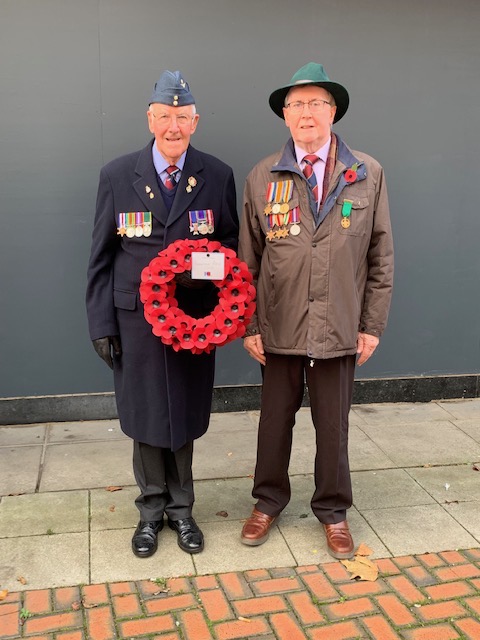
The Probus Club of Basingstoke was represented at the Basingstoke Remembrance Sunday parade by David Wickens and Chris Perkins MVO who laid a poppy wreath on behalf of members.

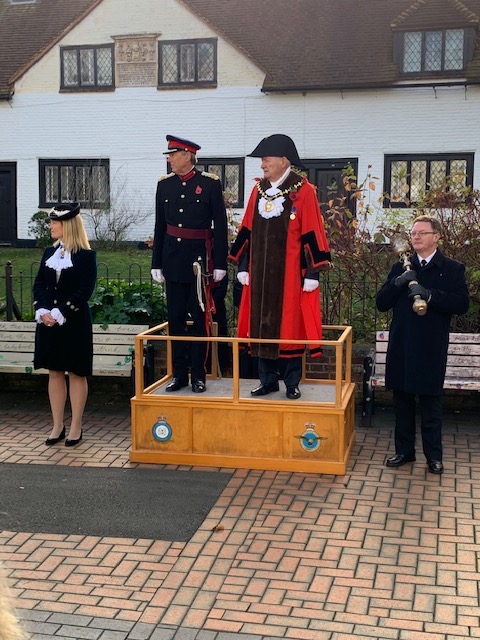
One other notable Probus member present was Paul Miller in his capacity as the Mayor of Basingstoke & Deane BC.

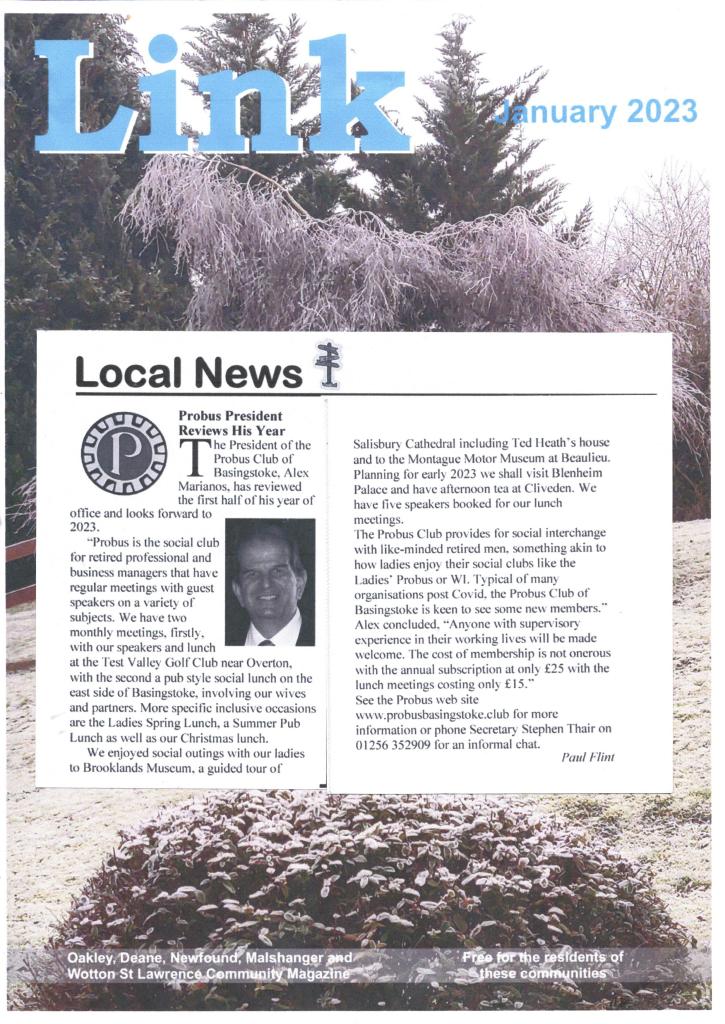
Probus Publicity in November 2022

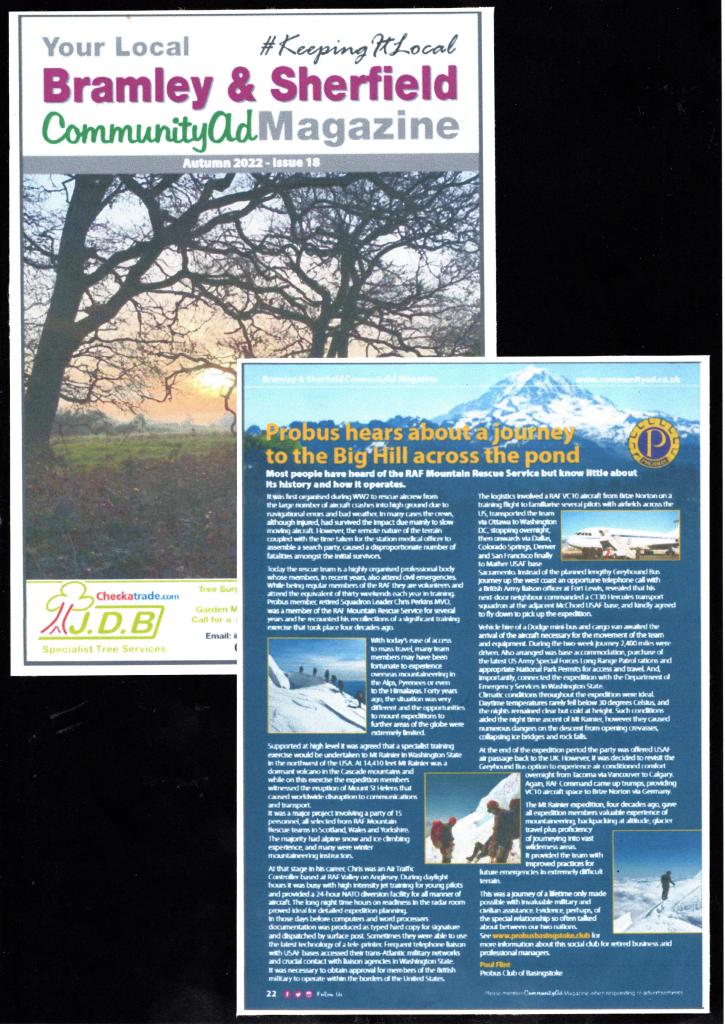
A good result with the report about the RAF Mountain Rescue Service from forty years ago with full pages in the Rabbiter, Kempshott Kourier and Villager (the Villager spread the report over two pages but reduced to fit on A4 for this scan). The Link ran the short version of the report and the Basinga ran it in their Extra web site while the CommunityAd for Bramley & Sherfield ran it as a full A5 page.

The Bramley Magazine did not feature our report and neither (I suspect) did the Loddon Valley Link.

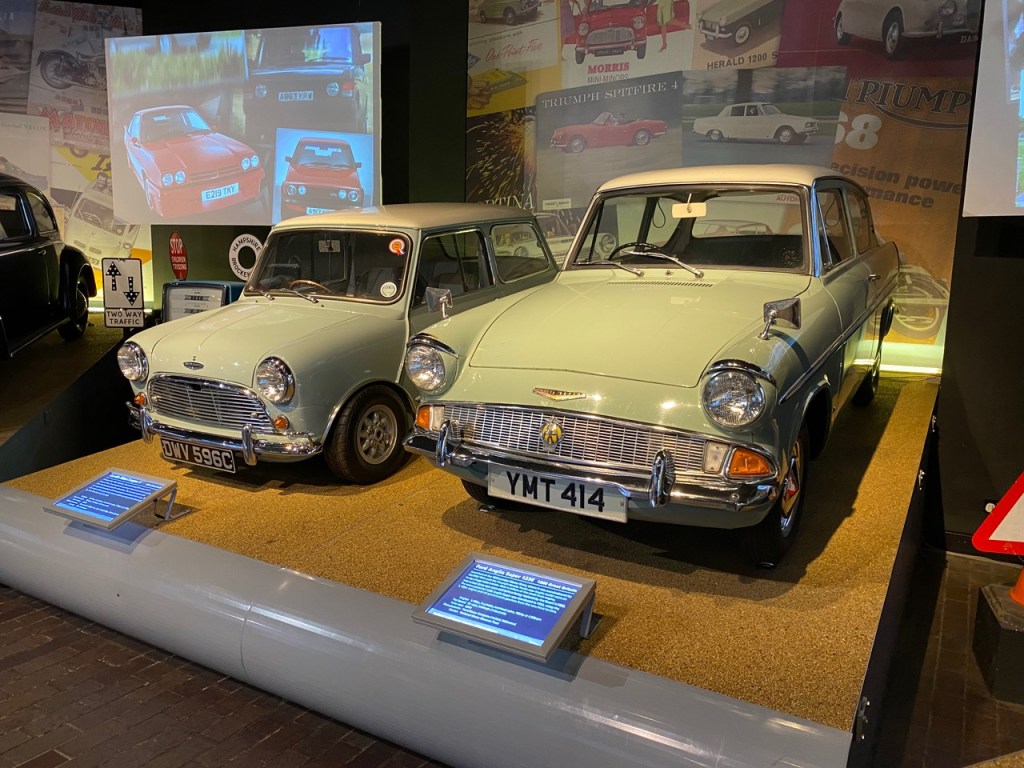
Probus Visits Beaulieu

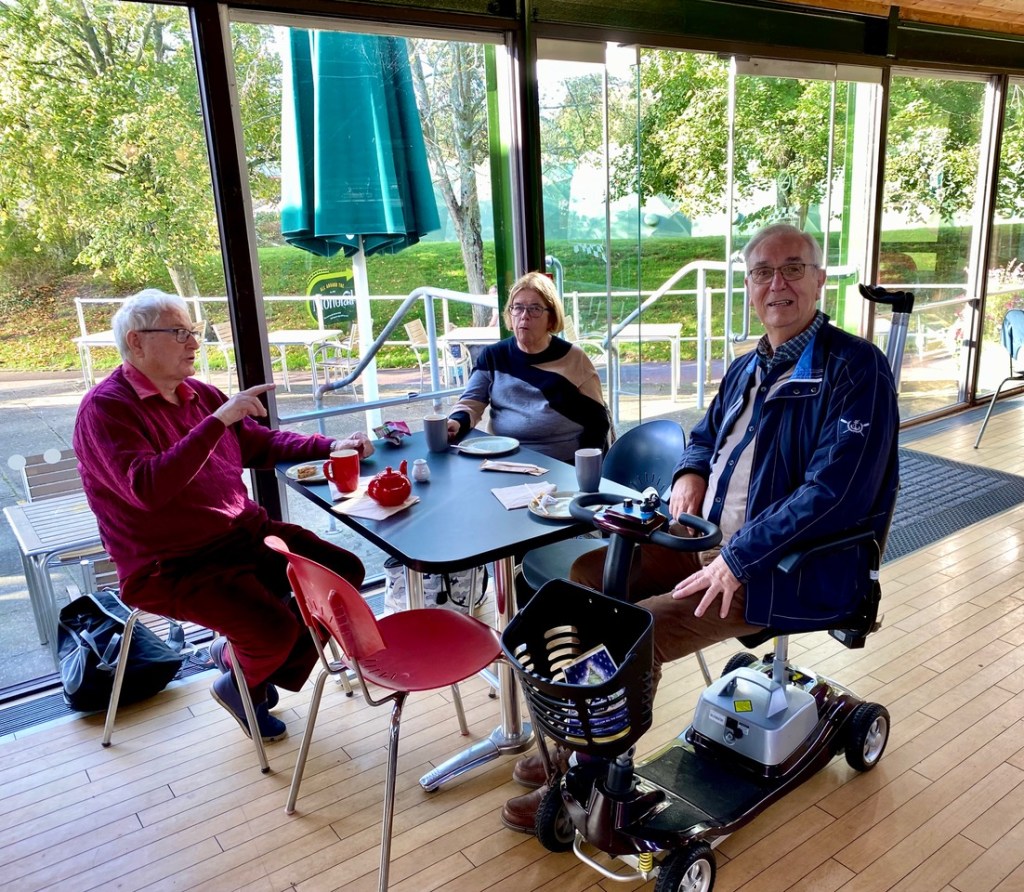
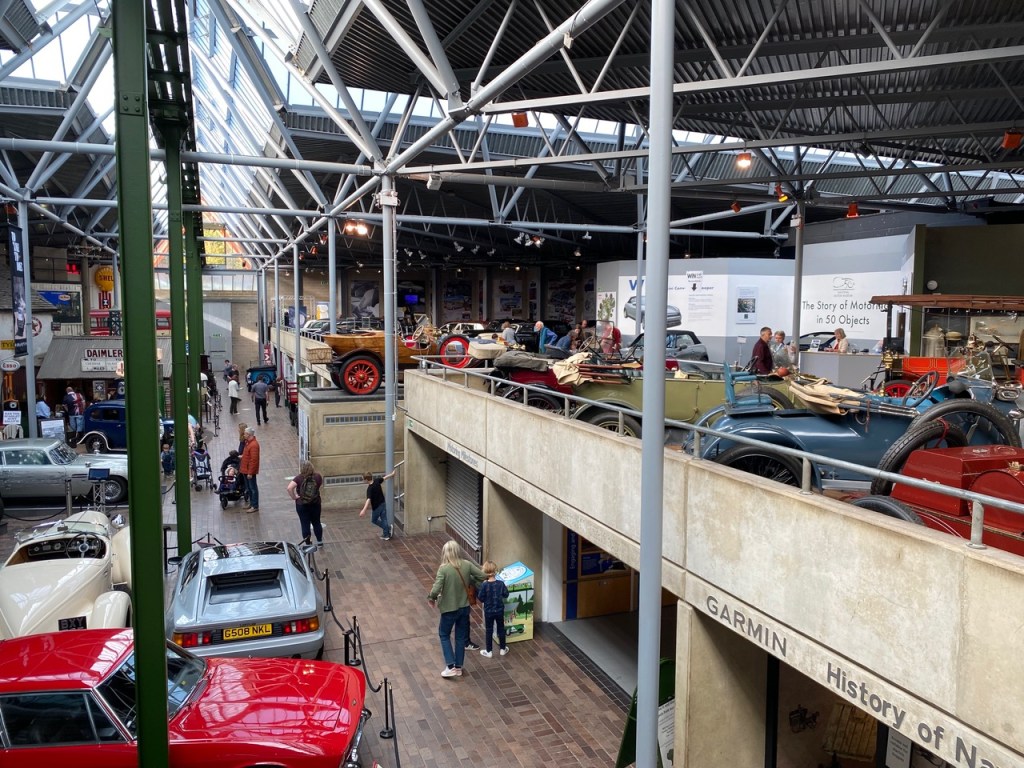
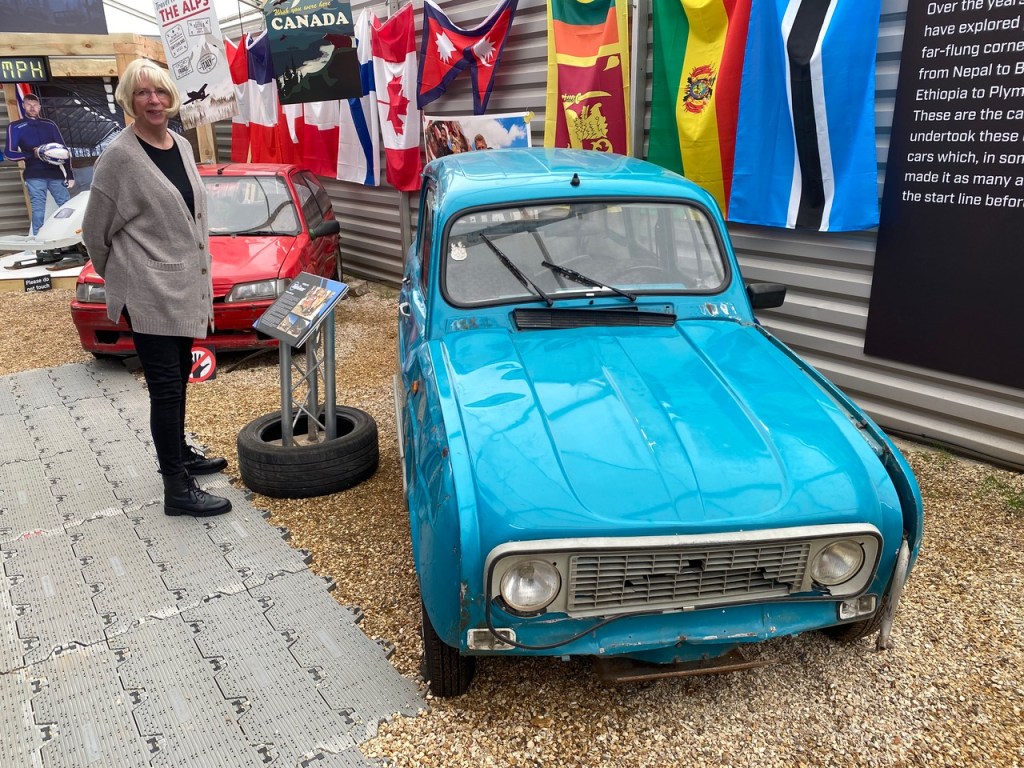
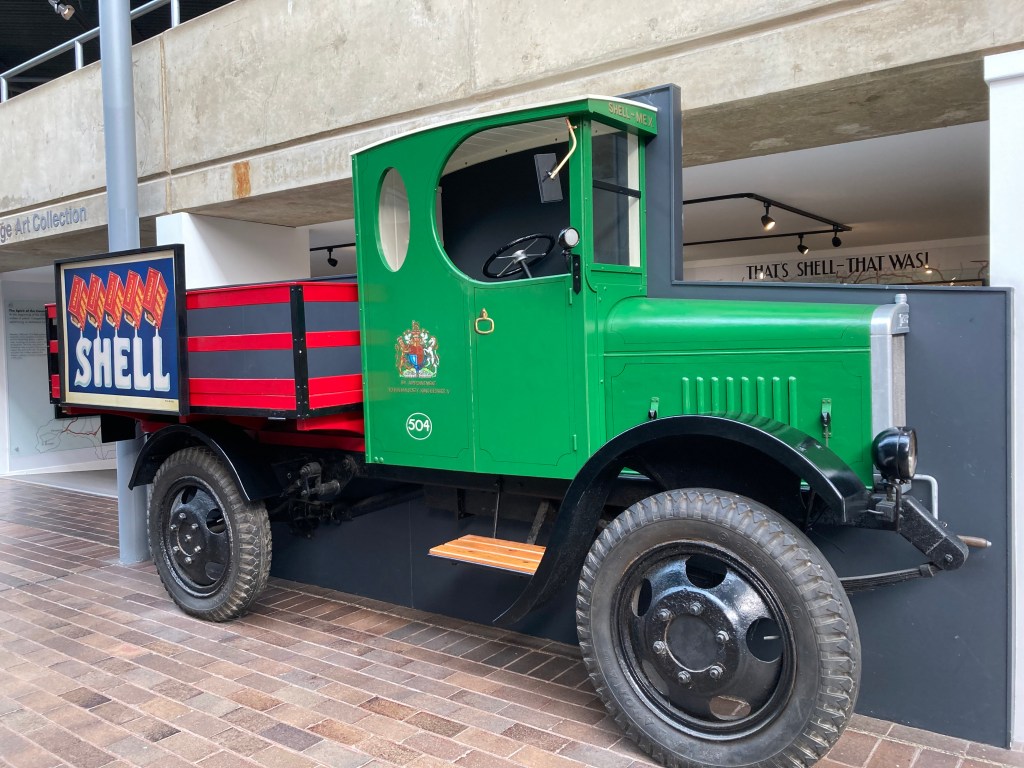
This was a splendid visit to the home of the National Motor Museum along with other attractions at Beaulieu in the New Forest. The lovely weather together with schools’ half term meant that there were many visitors to this attraction including a number of members and spouses from our Probus Club.

It was not necessary to be a petrol head to enjoy the experience. But the place reeks of nostalgia as vehicles stirred our memories, sometimes from the distant past while others were quite recent.

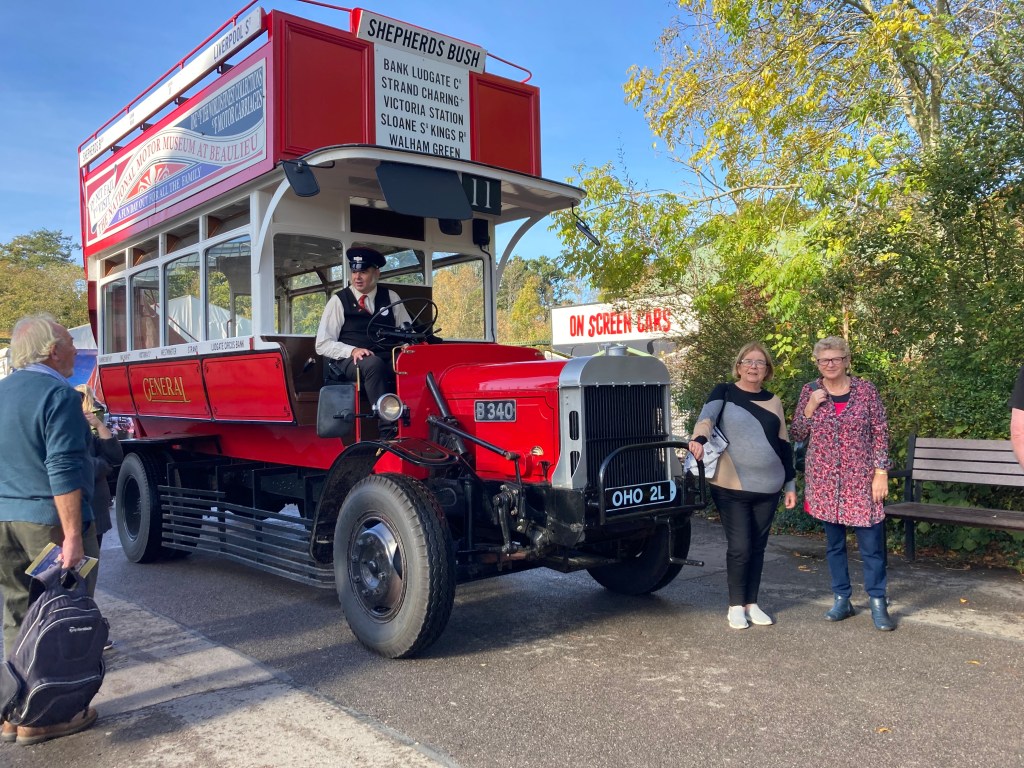
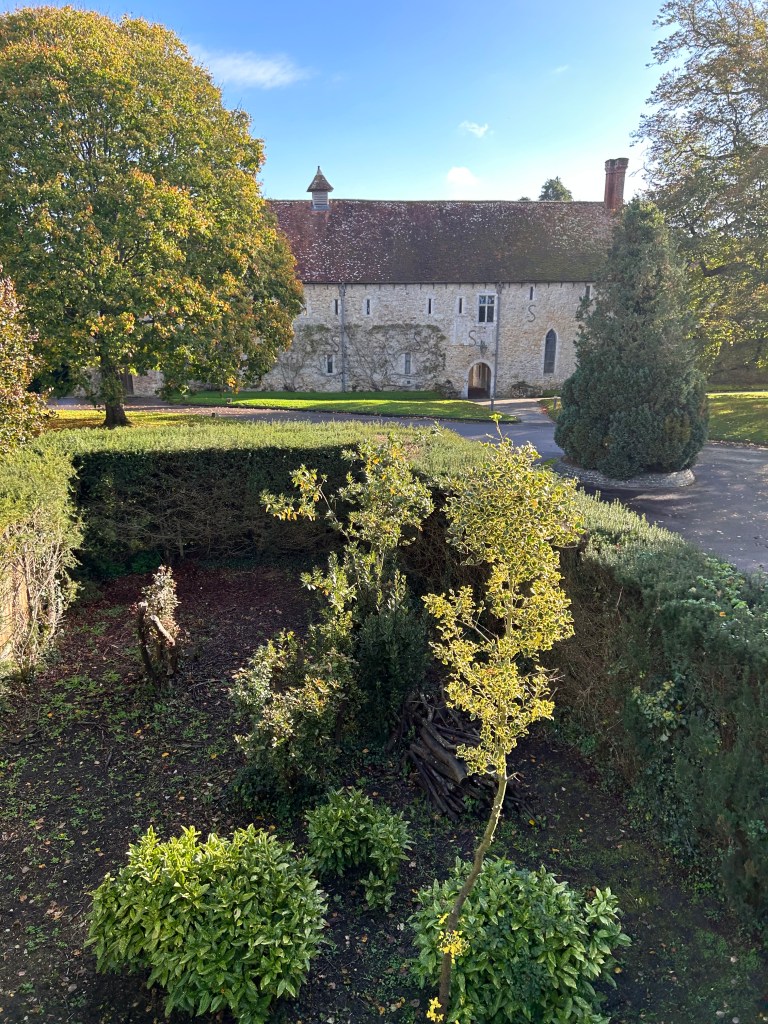
The historic Palace House set by the Beaulieu River is full of character adjacent to which is the Secret Army exhibition developed in WW2. The Beaulieu Abbey ruins are surrounded by attractive gardens. Rides could be had on a vintage bus, in Chitty Chitty Bang Bang or on the monorail that wends around the park. There were several areas specifically aimed at young visitors.

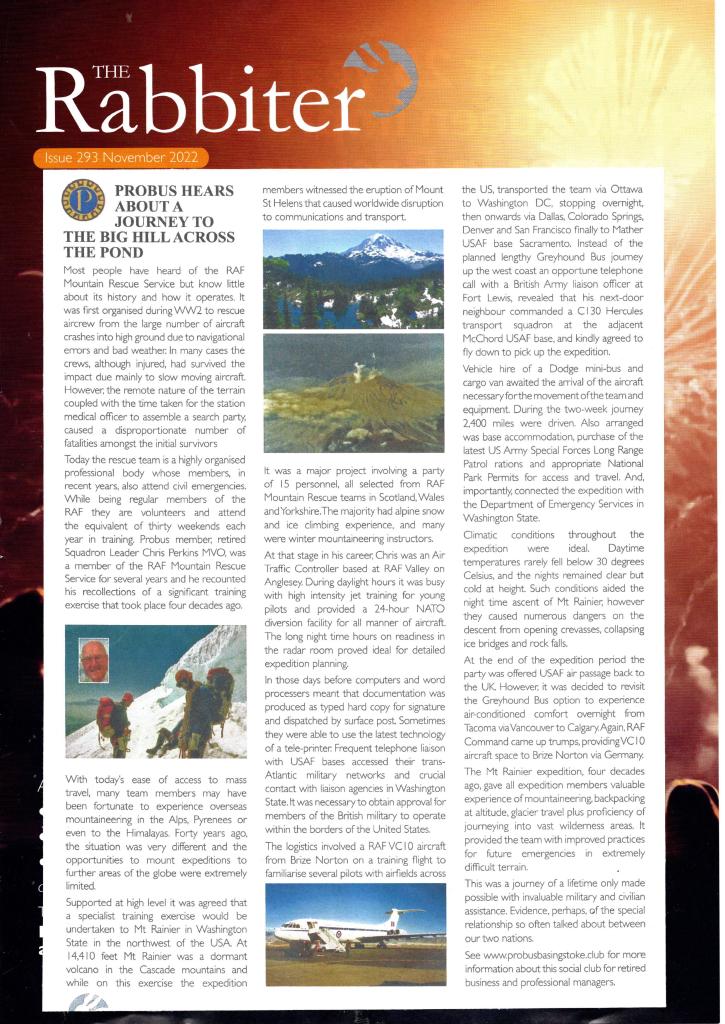
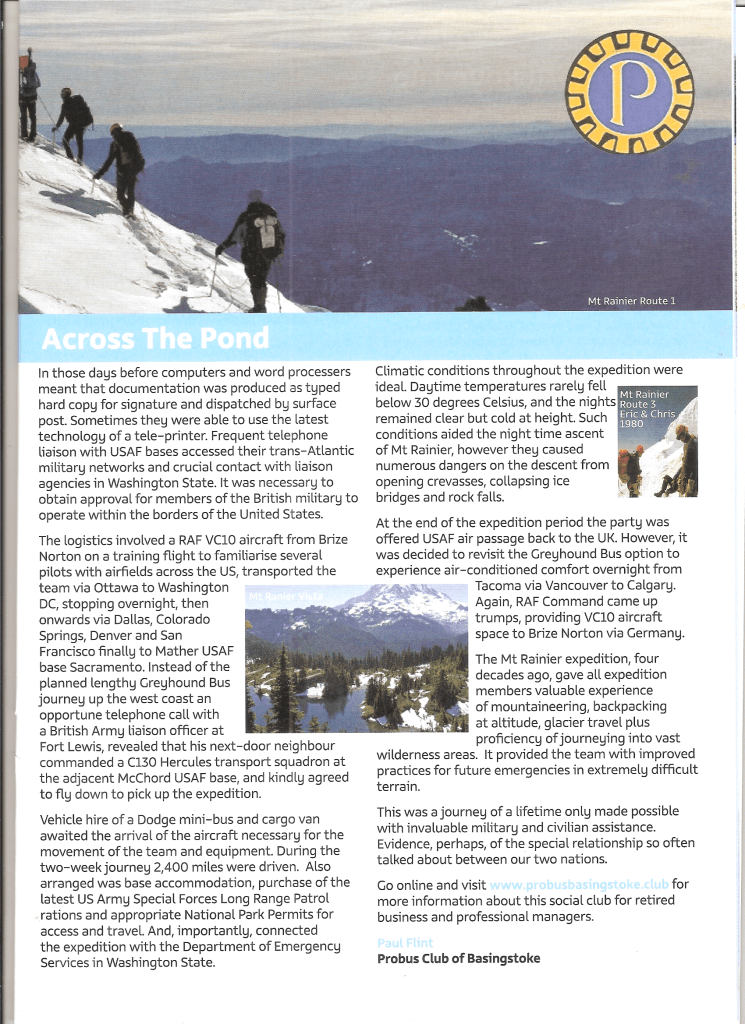
Probus Hears About A Journey To The Big Hill Across The Pond

Speaker Chris Perkins MVO and Probus Vice President Dr Jeff Grover

Most people have heard of the RAF Mountain Rescue Service but know little about its history and how it operates. It was first organised during WW2 to rescue aircrew from the large number of aircraft crashes into high ground due to navigational errors and bad weather. In many cases the crews, although injured, had survived the impact due mainly to slow moving aircraft. However, the remote nature of the terrain coupled with the time taken for the station medical officer to assemble a search party, caused a disproportionate number of fatalities amongst the initial survivors

Today the rescue team is a highly organised professional body whose members, in recent years, also attend civil emergencies. While being regular members of the RAF they are volunteers and attend the equivalent of thirty weekends each year in training. Kempshott resident and Probus member, retired Squadron Leader Chris Perkins MVO, was a member of the RAF Mountain Rescue Service for several years and he recounted his recollections of a significant training exercise that took place four decades ago.

With today’s ease of access to mass travel, many team members may have been fortunate to experience overseas mountaineering in the Alps, Pyrenees or even to the Himalayas. Forty years ago, the situation was very different and the opportunities to mount expeditions to further areas of the globe were extremely limited.

Supported at high level it was agreed that a specialist training exercise would be undertaken to Mt Rainier in Washington State in the northwest of the USA. At 14,410 feet Mt Rainier was a dormant volcano in the Cascade mountains and while on this exercise the expedition members witnessed the eruption of Mount St Helens that caused worldwide disruption to communications and transport.

Expedition Area containing Mt Ranier and Mount St Helens in the Cascade Mountains, Washington State

It was a major project involving a party of 15 personnel, all selected from RAF Mountain Rescue teams in Scotland, Wales and Yorkshire. The majority had alpine snow and ice climbing experience, and many were winter mountaineering instructors.

Mount St Helens before its eruption which caused world wide disruption to communications and air craft movements. The expedition team witnessed its eruption from forty miles away.

At that stage in his career, Chris was an Air Traffic Controller based at RAF Valley on Anglesey. During daylight hours it was busy with high intensity jet training for young pilots and provided a 24-hour NATO diversion facility for all manner of aircraft. The long night time hours on readiness in the radar room proved ideal for detailed expedition planning.

In those days before computers and word processers meant that documentation was produced as typed hard copy for signature and dispatched by surface post. Sometimes they were able to use the latest technology of a tele-printer. Frequent telephone liaison with USAF bases accessed their trans-Atlantic military networks and crucial contact with liaison agencies in Washington State. It was necessary to obtain approval for members of the British military to operate within the borders of the United States.

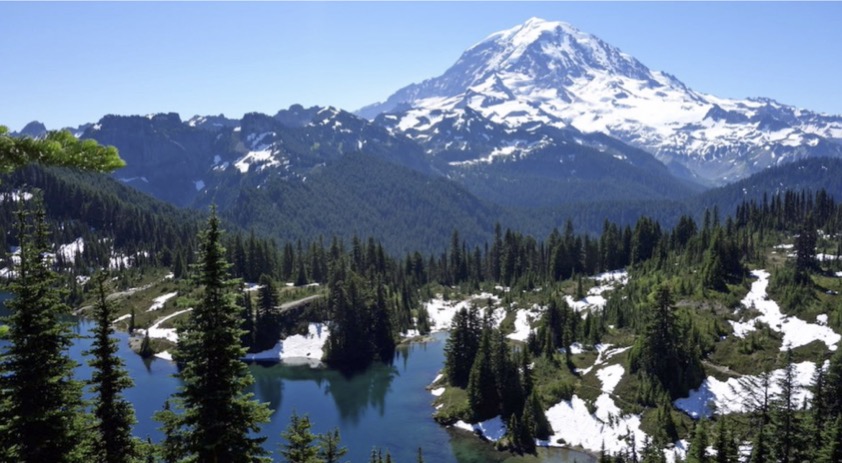
Mt Ranier and wilderness which was the target of the RAF Mountain Rescue Training Expedition

The logistics involved a RAF VC10 aircraft from Brize Norton on a training flight to familiarise several pilots with airfields across the US, transported the team via Ottawa to Washington DC, stopping overnight, then onwards via Dallas, Colorado Springs, Denver and San Francisco finally to Mather USAF base Sacramento. Instead of the planned lengthy Greyhound Bus journey up the west coast an opportune telephone call with a British Army liaison officer at Fort Lewis, revealed that his next-door neighbour commanded a C130 Hercules transport squadron at the adjacent McChord USAF base, and kindly agreed to fly down to pick up the expedition.

Vehicle hire of a Dodge mini-bus and cargo van awaited the arrival of the aircraft necessary for the movement of the team and equipment. During the two-week journey 2,400 miles were driven.  Also arranged was base accommodation, purchase of the latest US Army Special Forces Long Range Patrol rations and appropriate National Park Permits for access and travel. And, importantly, connected the expedition with the Department of Emergency Services in Washington State.

Climatic conditions throughout the expedition were ideal. Daytime temperatures rarely fell below 30 degrees Celsius, and the nights remained clear but cold at height. Such conditions aided the night time ascent of Mt Rainier, however they caused numerous dangers on the descent from opening crevasses, collapsing ice bridges and rock falls.

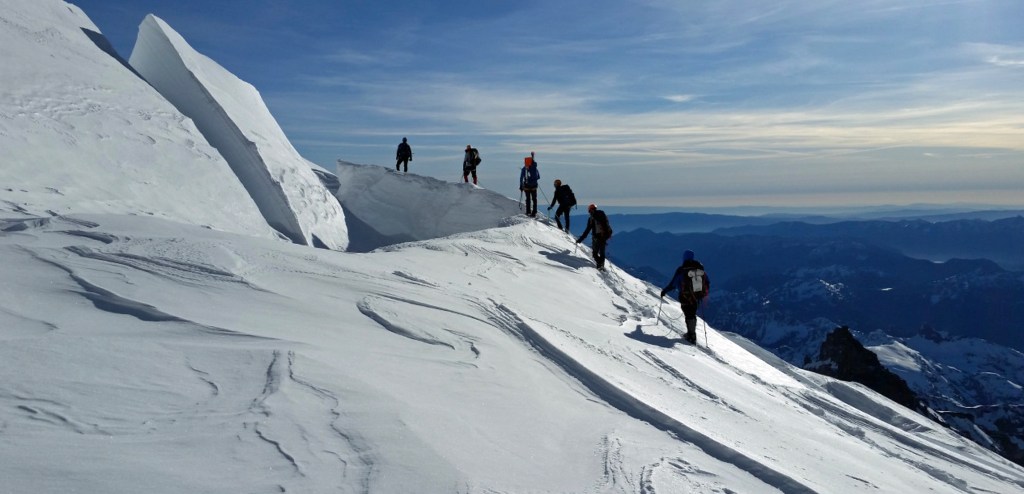
Chris Perkins (in red beany hat) ascending Mt Ranier

At the end of the expedition period the party was offered USAF air passage back to the UK. However, it was decided to revisit the Greyhound Bus option to experience air-conditioned comfort overnight from Tacoma via Vancouver to Calgary. Again, RAF Command came up trumps, providing VC10 aircraft space to Brize Norton via Germany.

RAF VC 10 with the expedition team on board ready to leave Calgary

The Mt Rainier expedition, four decades ago, gave all expedition members valuable experience of mountaineering, backpacking at altitude, glacier travel plus proficiency of journeying into vast wilderness areas.  It provided the team with improved practices for future emergencies in extremely difficult terrain.

This was a journey of a lifetime only made possible with invaluable military and civilian assistance. Evidence, perhaps, of the special relationship so often talked about between our two nations.

Return of the Probus Golf Day a report by David Wickens

Probus Golf Day – 27th September 2022

For the past two years we have been unable to hold our annual Golf Day due to COVID until this year when Richard Stettner arranged a Golf Day at Sherfield Oaks Golf Club at Sherfield on Loddon in September.      


 On the day we managed to arrange two Teams of three as there were some last-minute cancellations due to unforeseen circumstances.

1 – Jeff Grover, Richard Stettner & Geoff Twine

2 – Derek Roberts, Bryan Nagle and David Wickens.

It was good Bryan could join us as he had not been to our meetings since COVID started. 

As we were playing 18 holes some of the less mobile of us hired golf carts. The weather was fine and having enjoyed refreshments we started at 11.30am.

We soon lost site of Team 1 as they disappeared into the distance.
In Team 2 we were having a mixed game to say the least and going ‘off-piste’ on several occasions. Other delays were due to the golf carts having a safety feature that did not allow them to move forward if they were too near a hazard – it took a while to work this out, but they would only go in reverse!

The rest of the afternoon proved just as eventful with each of us having a combination of very good shots, bad shots and some golf balls never to be seen again! I even managed to leave my 8 iron somewhere on the golf course but a following golfer retrieved it and we were reunited.

Towards the end of the round we noticed Bryan was no longer following us only to find that he and the golf cart were in a ditch! Despite our best efforts it was well and truly stuck and with the weather closing in not sure what we would do. Luckily there was a ‘four ball’ behind us so when they saw our predicament, and with a great deal of effort, we managed to get it back onto the path. By now it was getting late so we decided to retreat to the clubhouse before a search party was sent out to find us!

Following a much-needed drink and bacon sandwiches the scores were totalled and the winner was announced – Jeff Grover with 33 points won the Shield.

Thanks go to Richard for arranging the Golf Day and everyone who participated on what proved to be very enjoyable and eventful day.

Looking forward to next year!

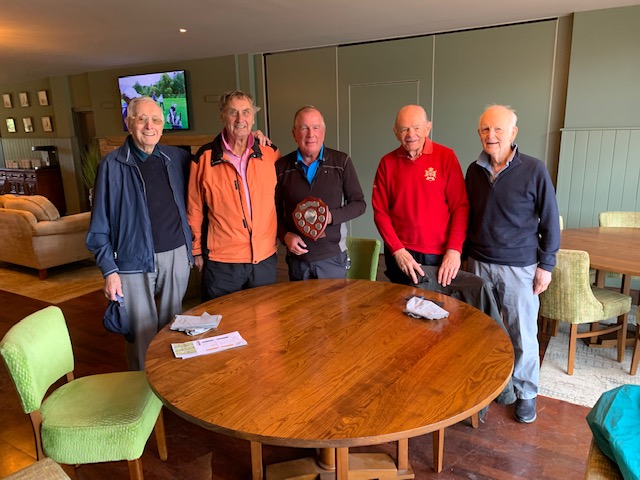
Bryan Nagle, Richard Stettner, Jeff Grover (winner), Geoff Twine & Derek Roberts (David Wickens is behind the camera)

Probus Publicity in October 2022

A good result for our publicity in the October publications with six magazines and the Basingstoke Gazette giving coverage to the report on Life on the Magistrates’ Bench. Perhaps the upright standing of the various editors encouraged their interest about the goings on in the local magistrates’ court.

Probus Hears About A Day In The Life OF A Magistrate

Dr Tony Hersh JP with Vice President Dr Jeff Grover

The likes of sayings “You’re nicked!” and “Caught banged to rights” are not usually what a magistrate hears when dealing with the deeds of accused miscreants at the first level of the British legal system. Guest speaker at the latest meeting of the Probus Club of Basingstoke was Tony Hersh JP, who gave an insight into a day in the life of a Justice of the Peace.

He has been a magistrate in Basingstoke for about 5 years having spent a career in clinical research. He spoke about the history of magistrates, how long they have been in existence and the changes in their powers over time.

All cases start in this first tier of court justice which has a bench of usually three magistrates and work without a jury. They are limited to dealing with what are known as “summary offences” which include most motoring offences, minor criminal damage and common assault. Sometime burglary and drug offences. More serious cases, known as “indictable offences”, are sent to the Crown Court.

He illustrated the types of punishment open to magistrates using the Sentencing Guidelines which provide a boundary on magistrates’ judgements. They can impose fines, community service, driving bans and imprisonment up to 12 months. They can remand someone to prison to await trial at Crown Court which is one of the most difficult decisions magistrates have to make. Many months can pass before trial and if the defendant is then found not guilty, they receive no compensation for having spent time in prison.

Of particular interest, he demonstrated a series of actual cases ranging from shoplifting to fraud and assault among others. He presented the evidence and the stance of the prosecution and defence, and the various sentencing options open to the magistrates. The audience was asked what they thought was appropriate before he disclosed the actual sentence imposed and the reasons behind it.

Anyone can apply to become a magistrate and the court service desire such volunteers to represent society at large.  Naturally checks are made about applicants and references are sought but people can apply from aged 18 upwards. Considerable training is undertaken but retirement comes at the age of seventy five. However, the ability of retaining the honorific of JP after your name can be used until your demise.

tonyhersh@hotmail.com

Probus Publicity in September 2022

The report on our Summer Pub Lunch was received well as six magazines and one web site gave us coverage. Perhaps the photograph of a relaxed mayor and mayoress helped in this regard.

Probus publicity in August 2022

We featured in five local magazines and one local newspaper since the last report. Two magazines do not publish in August (Rabbiter and the Bramley Mag) and the Basingstoke Observer report is from their 21 July edition (they publish fortnightly).

This report is late, yet again, as I only received the Kempshott Kourier this morning and it is not possible to blame the lateness on a local deliverer as we are the distributers around our retirement complex.

All the publications ran with the report about the mayor’s official visit.