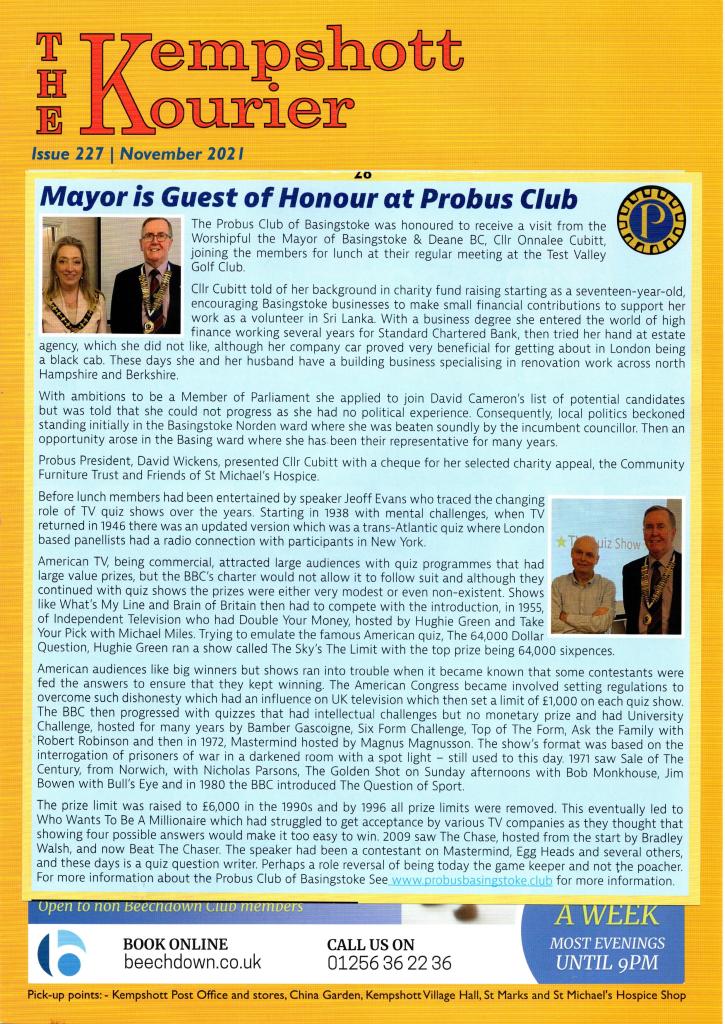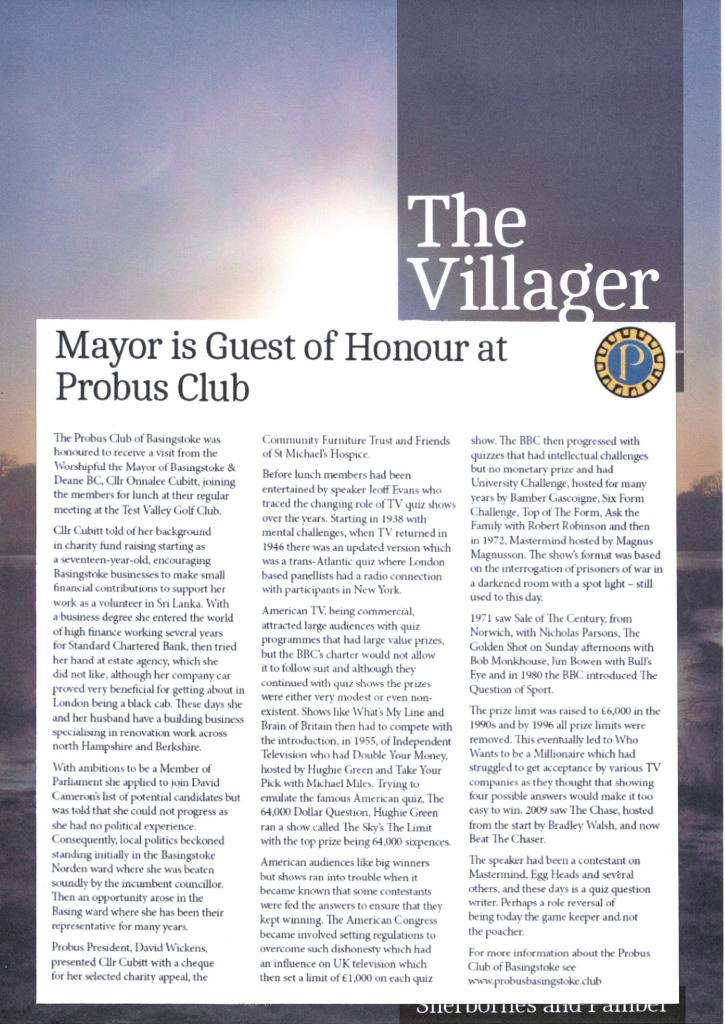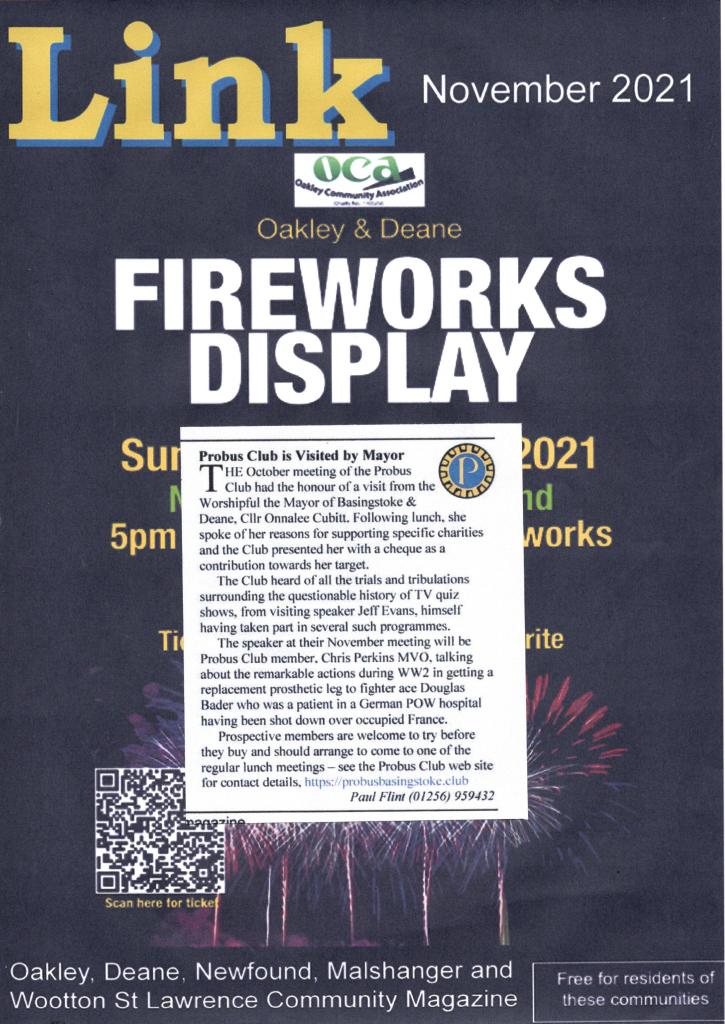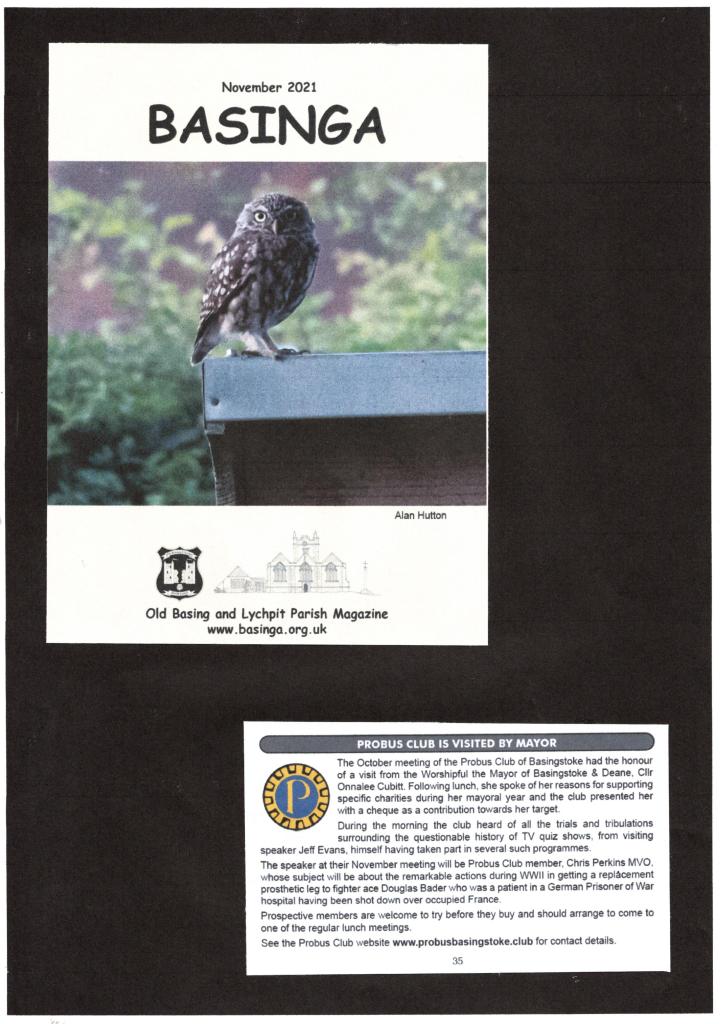
Publicity During Covid Lockdown -Part 15

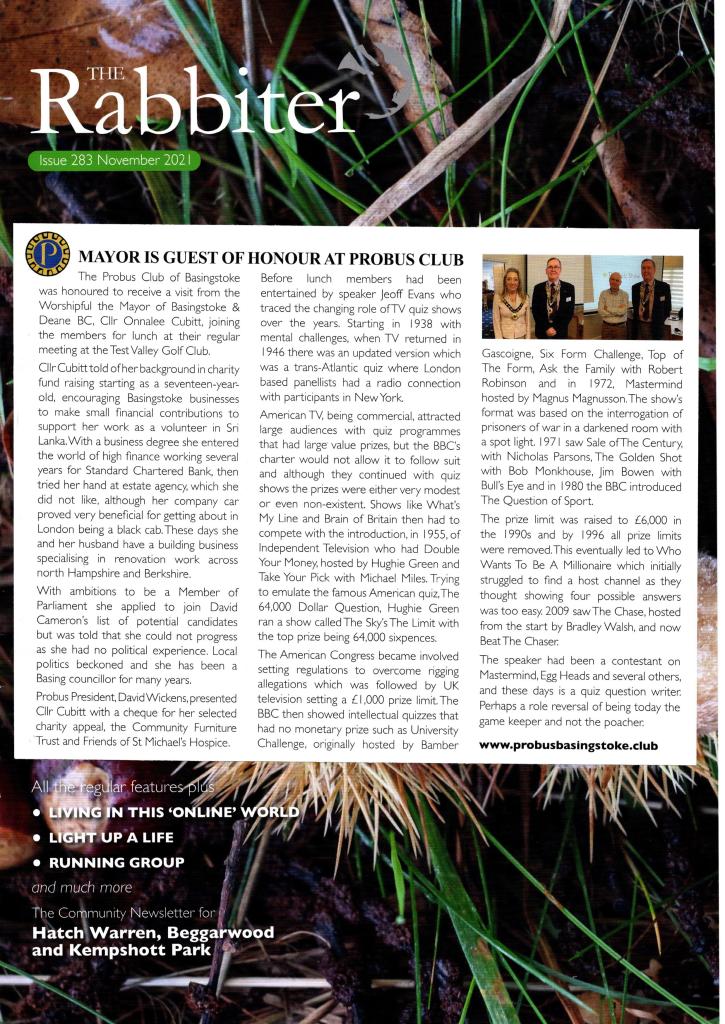
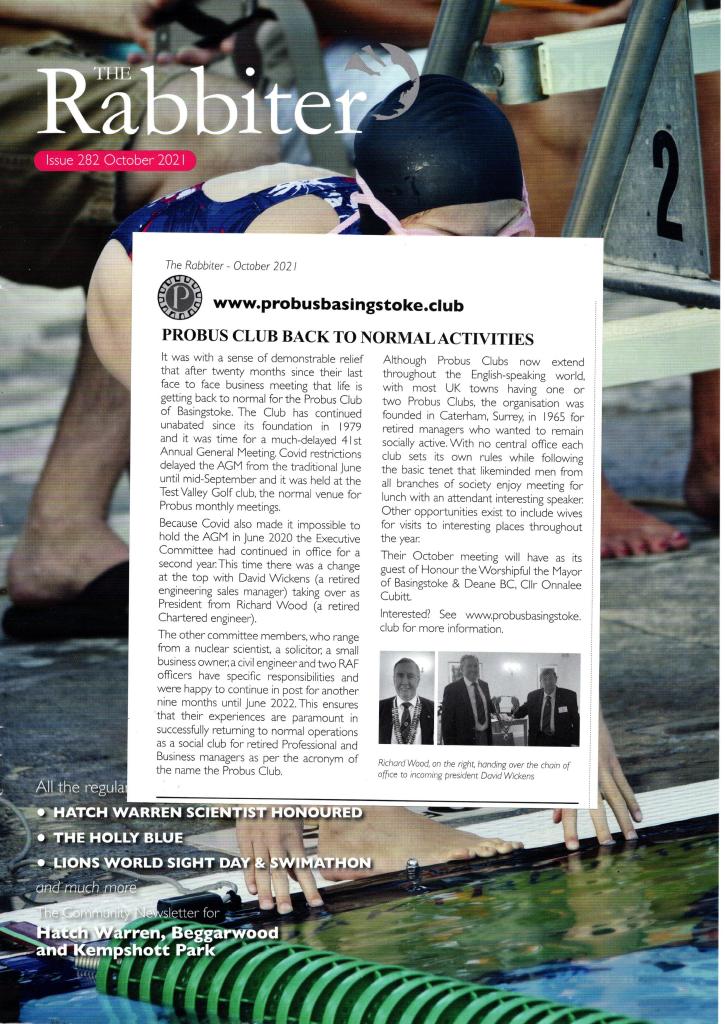
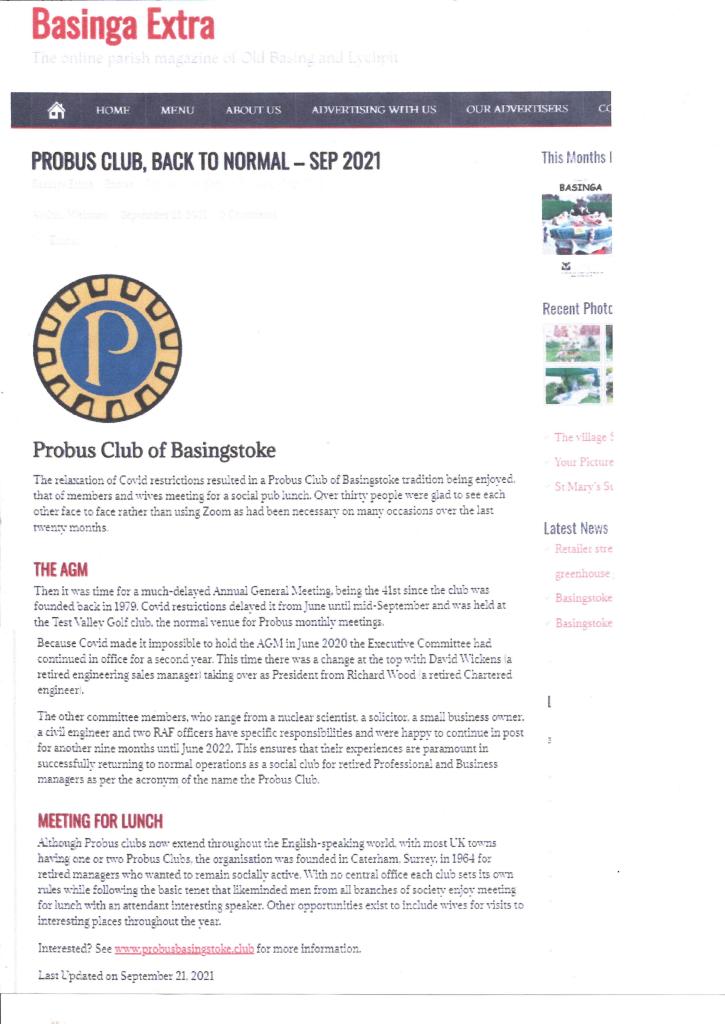
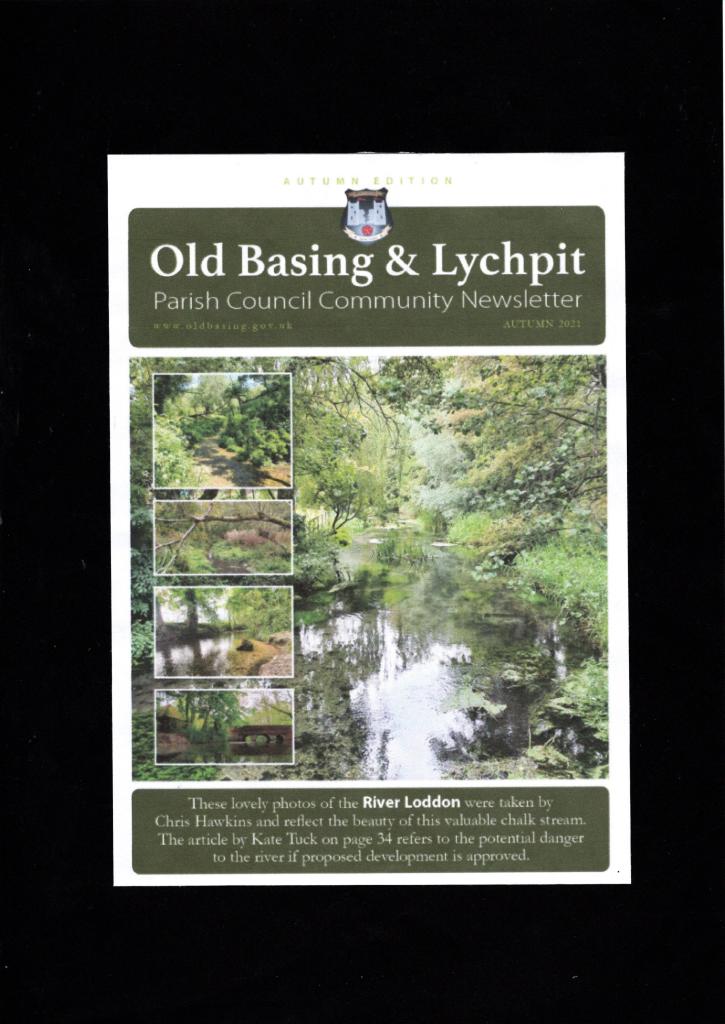
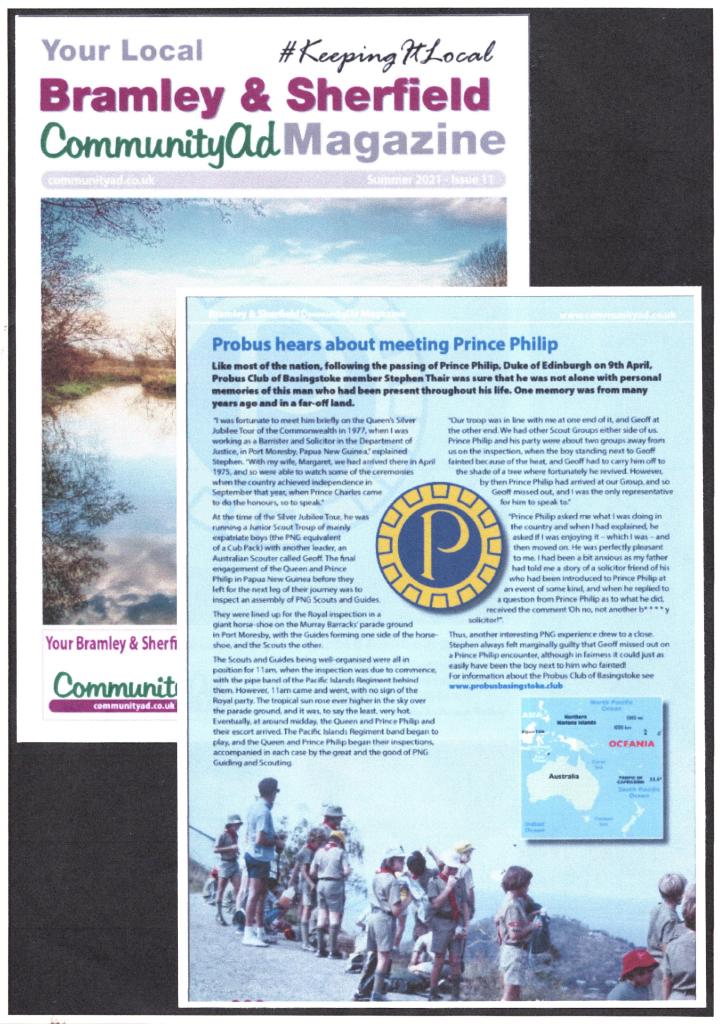
A full house for the June local magazines. All featured the story of Stephen Thair meeting Prince Philip in Papua New Guinea in 1977. Clearly the recent passing of the Duke of Edinburgh was the catalyst for the editors seeing this report as being pertinent for their readership.

My Memory of Meeting Prince Philip
by Stephen Thair

Like most of the nation, following the passing of the Prince Philip, Duke of Edinburgh on 9th April, Probus Club of Basingstoke member Stephen Thair was sure that he was not the only member with reminiscences of this man who had been present throughout his life. One memory was from many years ago and in a far-off land.

 “I was fortunate to meet him briefly on the Queen’s Silver Jubilee Tour of the Commonwealth in 1977, when I was working as a Barrister and Solicitor in the Department of Justice, in Port Moresby, Papua New Guinea” explained Stephen.  “With my wife, Margaret, we had arrived there In April 1975, and so were able to watch some of the ceremonies when the country achieved independence in September that year, when Prince Charles came to do the honours, so to speak.”

At the time of the Silver Jubilee Tour, he was running a Junior Scout Troup of mainly expatriate boys (the PNG equivalent of a Cub Pack) with another leader, an Australian Scouter called Geoff. The final engagement of the Queen and Prince Philip in Papua New Guinea before they left for the next leg of their journey was to inspect an assembly of PNG Scouts and Guides. They were lined up for the royal inspection in a giant horse-shoe on the Murray Barracks’ parade ground in Port Moresby, with the Guides forming one side of the horse-shoe, and the Scouts the other.

The Scouts and Guides being well-organised were all in position for 11am, when the inspection was due to commence, with the pipe band of the Pacific Islands Regiment behind them. However, 11am came and went, with no sign of the royal party. The tropical sun rose ever higher in the sky over the parade ground, and it was, to say the least, very hot. Eventually, at around midday, the Queen and Prince Philip and their escort arrived. The Pacific Islands Regiment band began to play, and the Queen and Prince Philip began their inspections, accompanied in each case by the great and the good of PNG Guiding and Scouting.

“Our troop was in line with me at one end of it, and Geoff at the other end. We had other Scout Groups either side of us. Prince Philip and his party were about two groups away from us on the inspection, when the boy standing next to Geoff fainted because of the heat, and Geoff had to carry him off to the shade of a tree where fortunately he revived. However, by then Prince Philip had arrived at our Group, and so Geoff missed out, and I was the only representative for him to speak to.”

1st Boroko Scouts at Burn’s Peak Port Moresby October 1976

“Prince Philip asked me what I was doing in the country and when I had explained, he asked if I was enjoying it – which I was – and then moved on. He was perfectly pleasant to me.  I had been a bit anxious as my father had told me a story of a solicitor friend of his who had been introduced to Prince Philip at an event of some kind, and when he replied to a question from Prince Philip as to what he did, received the comment “Oh no, not another b* * * * y solicitor!”. 

Thus, another interesting PNG experience drew to a close. Stephen always felt marginally guilty that Geoff missed out on a Prince Philip encounter, although in fairness it could just as easily have been the boy next to him who fainted!

Publicity During Covid Lockdown – part 14

Here are the results of our publicity in the local magazines for May.

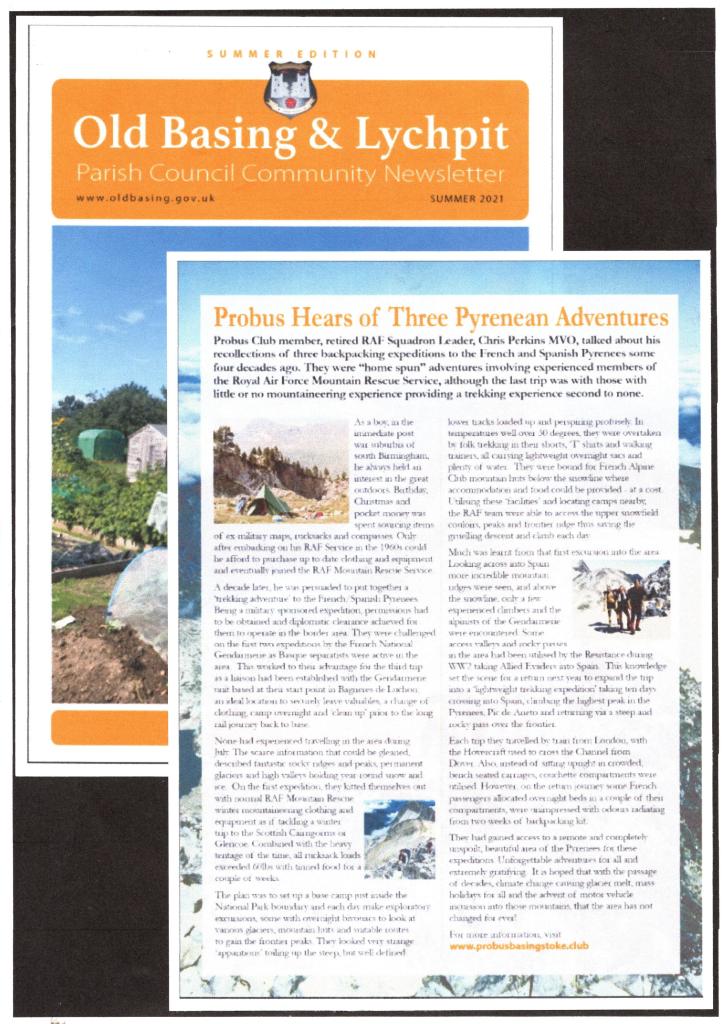
The subject was the report by Chris Perkins about three mountaineering trips to the Pyrenees and full pages were given by the Rabbiter, Kempshott Kourier and Villager while the others used the short version. The Basinga featured the full report in their Extra web pages as did the Chineham Blog. We did not feature (again) in the Loddon Valley Link but we did appear in the CommunityAd magazine for Overton & Oakley. There is also a Popley Matters that was missed last month that features the report about Communist Czechoslovakia. This magazine has now ceased publishing due to the editor and her assistant, Cllrs Jane and Paul Frankum,  not standing again in the recent elections.

Click on any magazine to enlarge so as to be able to read the text.

Three Pyrenean Adventures

Probus Club member, retired RAF Squadron Leader, Chris Perkins MVO, talked about his recollections of three backpacking expeditions to the French and Spanish Pyrenees some four decades ago. They were “home spun” adventures involving experienced members of the Royal Air Force Mountain Rescue Service, although the last trip was with those with little or no mountaineering experience providing a trekking experience second to none.

As a boy, in the immediate post war suburbia of south Birmingham, he always held an interest in the great outdoors. Birthday, Christmas and pocket money was spent sourcing items of ex-military maps, rucksacks and compasses. Only after embarking on his RAF Service in the 1960s could he afford to purchase up to date clothing and equipment and eventually joined the RAF Mountain Rescue Service.

A decade later, he was persuaded to put together a ‘trekking adventure’ to the French/Spanish Pyrenees. Being a military sponsored expedition, permissions had to be obtained and diplomatic clearance achieved for them to operate in the border area. They were challenged on the first two expeditions by the French National Gendarmerie as Basque separatists were active in the area.  This worked to their advantage for the third trip as a liaison had been established with the Gendarmerie unit based at their start point in Bagneres de Luchon: an ideal location to securely leave valuables, a change of clothing, camp overnight and ‘clean up’ prior to the long rail journey back to base.                  

None had experienced travelling in the area during July. The scarce information that could be gleaned, described fantastic rocky ridges and peaks, permanent glaciers and high valleys holding year-round snow and ice.  On the first expedition, they kitted themselves out with normal RAF Mountain Rescue winter mountaineering clothing and equipment as if tackling a winter trip to the Scottish Cairngorms or Glencoe. Combined with the heavy tentage of the time, all rucksack loads exceeded 60lbs with tinned food for a couple of weeks. 

The plan was to set up a base camp just inside the National Park boundary and each day make exploratory excursions, some with overnight bivouacs to look at various glaciers, mountain huts and suitable routes to gain the frontier peaks. They looked very strange ‘apparitions’ toiling up the steep, but well-defined lower tracks loaded up and perspiring profusely. In temperatures well over 30 degrees, they were overtaken by folk trekking in their shorts, ‘T’ shirts and walking trainers, all carrying lightweight overnight sacs and plenty of water.  They were bound for French Alpine Club mountain huts below the snowline where accommodation and food could be provided – at a cost.  Utilising these ‘facilities’ and locating camps nearby, the RAF team were able to access the upper snowfield couloirs, peaks and frontier ridge thus saving the gruelling descent and climb each day.

Much was learnt from that first excursion into the area. Looking across into Spain more incredible mountain ridges were seen, and above the snowline, only a few experienced climbers and the alpinists of the Gendarmerie were encountered. Some access valleys and rocky passes in the area had been utilised by the Resistance during WW2 taking Allied Evaders into Spain.  This knowledge set the scene for a return next year to expand the trip into a ‘lightweight trekking expedition’ taking ten days crossing into Spain, climbing the highest peak in the Pyrenees, Pic de Aneto and returning via a steep and rocky pass over the frontier.

Each trip they travelled by train from London, with the Hovercraft used to cross the Channel from Dover. Also, instead of sitting upright in crowded, bench seated carriages, couchette compartments were utilised. However, on the return journey some French passengers allocated overnight beds in a couple of their compartments, were unimpressed with odours radiating from two weeks of backpacking kit. 

They had gained access to a remote and completely unspoilt, beautiful area of the Pyrenees for these expeditions. Unforgettable adventures for all and extremely gratifying.  It is hoped that with the passage of decades, climate change causing glacier melt, mass holidays for all and the advent of motor vehicle incursion into those mountains, that the area has not changed for ever!  

Farewell to David Rawden

The humanist funeral service for David Rawden took place at Basingstoke Crematorium on Wednesday 12th May.

It was full of family tributes about David’s 35 years as a chemistry teacher and then head of science at Itchin Grammar school in Southampton, his love of chess and Bridge, classical music, sport and his walking holidays were amongst his many interests.

David joined the Probus Club of Basingstoke on 26th June 2012.

Goodbye to Jim Wragg

The funeral service for long standing Probus Club member, Jim Wragg, took place at Basingstoke Crematorium on Wednesday 5th May. Bearing in mind the current limit on the number of persons attending such services it was pleasing to receive an invitation from Jim’s son, David, for a representative of the Probus Club of Basingstoke to attend.

Geoff Twine was honoured to represent the membership.

For those unable to watch the live transmission of the funeral service it was recorded and available to view from 12th May until 14th June.

www.obitus.com
Username: zoge5695
Password: 681363

Publicity During Covid Lockdown – part 13

Here are the results of our April publicity efforts in the local magazines. Although the Link (Oakley and environs) returned to a printed edition they did not feature our report and neither did the Loddon Valley Link. You will see that the Chineham Chat displayed our report in their “Blog” and that we also appeared in the CommunityAd Spring magazine for Bramley & Sherfield. (The actual magazine is A5 size). However, we did not feature in the Spring version for Old Basing & Lychpit. It appears that the size of these quarterly publications changes from A5 to A4 dependent on the amount of information to hand before they have to go to print to meet their advertiser’s expectations.

Memories of the old Communist Czechoslovakia by Paul Flint

Things are improving, at least in Britain, with encouraging statistics showing vaccinations against Covid-19 exceeding thirty million, there are daily reductions in hospitalisations and down to double digit deaths although these are a tragedy for the families involved. The road map out of the restrictions suffered for over a year now indicate we shall shortly enjoy freedom of movement. Foreign travel is eagerly awaited by many and weekends away to European cities will become an attraction.

Cities like Prague, capital of what is today known as the Czech Republic, have become tourist destinations. And no wonder, as the city did not suffer damage in WW2 and has many historical features to be enjoyed by today’s tourists. The Castle overlooks the Vltava river with its eighteen bridges including the famous Charles bridge with its complement of statues.  One of the benefits from the Soviet occupation was the construction of a metro system making it easy to travel around the city. When I was there it was pristinely clean and a credit to its design.

There are many orthodox churches with glorious interiors making fascinating viewing and, of course, there is Wenceslas Square which, in reality, is a large rectangle with traffic on both sides. It gently rises, where at the top, is the statue of this saint, recalled in the Christmas carol, with a steady supply of foreigners taking photographs.

Statue of King Wenceslas at the top of the famous square

But it was not like this forty years ago when I became a regular visitor over the following twelve years. Very few western tourists were seen, as at that time Czechoslovakia was part of the Eastern Bloc controlled by the Soviet Union. The move to reduce the influence of Moscow had been started in 1968 and known as the Prague Spring, it was led by Alexander Dubcek, and had attempted some reforms.  Following his friendly discussions in Moscow the country was quickly overrun by invading Russian troops with a token presence of contingents from other Soviet controlled countries, Poland, Bulgaria and Romania, under the banner of the Warsaw Pact. The spurious reason given was to provide a bulwark for Czechoslovakia against an imaginary invasion of the Sudetenland by West German and NATO troops. This was history repeating itself as similarly false reasons had been behind the 1956 Soviet invasion of Hungary.

The Russian military presence was everywhere as they held the country under its yoke with armed soldiers on the streets and driving around menacingly in their Moscovic and Lada cars.  Life was confusing for the small number of westerners that found it difficult to distinguish the local police from the Russian soldiers. The police also wore khaki uniforms and carried automatic weapons but drove Skoda Estelles

Czech Police Skoda Estelle

At that time, on entry to the country, passports had to record how much Sterling had to be changed into Czech Crowns. There were, confusingly, four levels of exchange rates; the official rate, a lower commercial rate, an even lower tourist rate and the black-market seeking western hard currencies of Deutschmarks, US Dollars and from any Brits, Pounds Sterling. The black-market rate was around four times better than the tourist rate which tempted low-cost purchases. I, and any travelling companions, walking around the city in the evenings would be approached in the street and even if we were not talking to give away that we were English would be asked covertly if we would like to “change money.” I guess it must be the way we were dressed that easily identified us as carriers of hard currency.

With citizens not normally allowed to leave the country, except to Bulgaria or Romania, black market exchanges was a way of obtaining hard currency needed for overseas purchases by the government and those commercial enterprises allowed to trade internationally. The government had a way of mopping up black-market exchanges with special shops having tempting western goods that could only be bought with hard currency – with no questions asked.

It was necessary to carry your passport constantly. Hotels required that you to hand over your passport every night as the police came during the early hours to check them and the identity cards of their citizens staying there. When visiting business premises of any sort, passports had to be left with the reception.

On leaving the country, Prague airport had four departure security checks that had to be negotiated before gaining access to airside. Receipts were checked to ensure that the total spent did not exceed the money noted in the passport. If greater it proved that money had been exchanged on the black-market and goods were seized. Czech currency could not be exported, so any remaining Crowns were confiscated. The relief, before take-off, sitting in the British Airways plane, was palpable.

Usually, I stayed in a hotel near the top of Wenceslas Square which although not new had a reasonably designed restaurant with comfortable upholstered armchairs. In those days, the menu offerings consisted of several pork alternatives and there was always the possibility that the head waiter would place another diner at my table if there was a spare seat. The bar was well patronised by local ladies freelancing in the evenings looking for hard currency payments for services about to be rendered.

My meetings in Prague were with a trading house, whose role was to find export partners for Czechoslovak products and to import goods needed by their economy. My company was their UK venture partner for selling and servicing Czechoslovak made printing presses. Their people were well educated, urbane, multi-lingual and some were well travelled. The trading house placed personnel in the commercial sections of their embassies around the world so that they could interact with local partners.

Our Milton Keynes Showroom showing a range of Czech made presses

I suppose, like many such placements, the security services of democratic host countries kept an eye on these communist visitors. This was the case in London. A small brown envelope was received in the post at my home from the Ministry of Defence which invited me for discussions to take place with a choice of being at my home, office in Brentford or MI5 headquarters.  I chose to have such a discussion at my office. The female security officer wanted to know about my dealings in Czechoslovakia and about the London based representative of the trading house. They knew he had been to Scotland on holiday with his wife and two children and that he had visited the nuclear submarine base at Faslane. Only earlier this year has a Sunday newspaper revealed that around this time the Labour MP for Coventry East, and ex managing director of Jaguar cars, Geoffery Robinson, was under investigation for his links to communist connections in Czechoslovakia.

Not long after this interview I noticed that every time I picked up my phone at home that there was a click. I was convinced my phone was tapped. An upcoming general election saw the sitting Conservative MP knock on my door canvassing support. I told him about my experience with the security service and the fear I had about my phone being tapped. Within a week the clicking ceased, never to return.

Many visits were made to the factory near to Brno, in the south of the country which provided the opportunity of seeing much agricultural activity. Most of the land was a high plateau with many vineyards and small motorway service centres having shops selling Bohemian crystal ware. There were reminders of the Soviet occupation with army tanks set on plinths and in villages, with no street lighting, there were masts equipped with loudspeakers. European dealer conferences were held there most years and to entertain their guests, visits were made to glass engravers and vineyards that produced some excellent wines and champagne style products.

On one occasion three of us were picked up from Prague airport and were squashed on the back seat of a Skoda Estelle for the three hours to get to the factory. The next time, and determined not to repeat this scenario, instead we flew into Vienna and collected a rental car and drove to Brno. One day driving around the city we were stopped by a Russian soldier standing in the middle of the road pointing a machine gun. Fortunately, in our car we had with us a lady from the trading house who spoke Russian, but I wondered what might have happened to us if we had been on our own.

The factory personnel were not supposed to fraternise with westerners but, surprisingly, one invited several to his home that was very enlightening. Houses were mainly single storey with window coverings of heavily designed lace curtains. Everyone kept a pig in their back garden which they would butcher for pork and to make sausages. Smoking was commonplace and locally produced slivovic was readily to hand.

Factory representatives and managers from the trading house visited the UK annually. They were not allowed to bring their wives and were debriefed by Czech security agents on their return home about the meetings including any agreements made. Despite them being forbidden to be entertained, and because some were not fluent in the English language, over the years we took them to all the West End musicals. I am not sure what they thought about the production of Cats and I wondered what they thought about the roller-skating Russian train in Starlight Express. We always dined well after each show.

Front Cover of a Printing Trade Journal 12 June 1985. Me with Printing Press Chief Designer

The real move towards democracy started in late 1989 with the Velvet Revolution, led by playwright Vaclav Havel. 73,000 guest Russian troops had to return home.

With the gradual democratisation, following this mainly weapon free revolution, there was the ability to purchase higher quality components which made the products of domestic production more reliable, which in turn made them more acceptable to western markets. Substantial investment was made by western companies in Czechoslovak businesses with possibly the most well-known being the takeover of Skoda by Volkswagen. The old joke about how to double the value of a Skoda was to fill it with petrol no longer applies as the present Skoda range performs very well in our marketplace. Being the owner of two Skoda cars over the last six years I can certify their performance, reliability and quality.

The Velvet Revolution worked.

Publicity During Covid Lockdown – part 12

Here are the results of our press coverage in the local magazines for their March issues. You will see the CommunityAd (A5) for Oakley & Overton. The Bramley, Link and Loddon carried the short version while the others ran with the larger version which have been reduced to fit on the A4 images for this web site. We did not appear in Popley Matters and the quarterlies for Brighton Bell and Winklebury Way decided not to publish. The Chineham Chat has announced they will not be publishing for the remainder of this year due mainly to lack of advertising which is needed to pay the printing costs

Adventures in a Motorhome by Dr Jeff Grover

In the years leading up to retirement, Bramley resident and Probus Club member Dr Jeff Grover and his partner, Mary, had travelled the four corners of the globe and post retirement had intended to continue their adventures.

By 23 March 2020 they had planned to jet off to Las Vegas to hit the tables, ride in a helicopter over the Grand Canyon and horse ride on a nearby ranch before moving across to LA for a relaxing Mexican cruise.

Then the ‘big C’ put an abrupt stop to these ambitions – no, not cancer, but Covid -19. Lockdowns, isolation, on-line shopping, bubbles and Zoom all entered our vocabulary but underpinning all this was ‘Where can we go on holiday?’

Jeff explains that they had often thought about buying a motorhome but now this had become a genuine option and bought a thirteen year old 2-berth motorhome which fulfilled all our requirements.  For the petrolheads it was an Elddis body on a Peugeot 2 litre diesel with a manual gear box but one of the attractions was that despite its age it had only travelled 16,000 miles. We had several test runs to the New Forest and south coast each time improving our experiences with this new way of holidaying.

This was all in preparation for the BIG ONE. Two weeks in Scotland negotiating the North Coast 500 during September 2020. This is 500 miles, driving, in our case, anticlockwise from Inverness up the east coast to John O’Groats, turning left towards Durness and then down the spectacular setting of the west coast before returning to Inverness.

The other important difference from our southerly sojourns was the introduction of wild camping which is legal in Scotland. Simply put, this involved finding a suitable parking place, lay-by, or car park where we stayed for the night free gratis. Once darkness descends all traffic ceases and a good night’s sleep is guaranteed.

We motored northwards up the east coast until we finally arrived at John O’Groats where we parked up for the night. We had arrived! This motor-homing lark was becoming a doddle. However, there was a gale coming off the North Sea but our four wheels clung tenaciously to the tarmac. The following morning, we headed off to Dunnet Head – actually, the most northerly part of mainland UK before staying in a campsite by the beach in the metropolis of Thurso.

A view from the bedroom window

Continuing eastwards along the top of Scotland we negotiated the single-track roads with their often, hair-raising passing spaces along the way. We wild camped at every stop over, most memorably one overlooking a small bay, where when opening the bedroom curtains in the morning we were met with a mesmerising sea of tranquil beauty.

The scenery was stunning. Particularly surprising were the expansive but empty sandy beaches located in every bay. If it wasn’t for the weather the Scottish west coast could easily rival any Spanish Costa. The dramatic, moody, mountains (or munros), sheltered valleys coated in bracken and thistle with lochs surrounded by water sodden peat – all with virtually no sign of habitation, were magnificent.

No people to be seen on most of the wonderful beaches

Another highpoint (pun intended) was the route towards Applecross, which has the steepest ascent of any road climb in the UK, rising from sea level at Applecross to 2,054 ft, and is the third highest road in Scotland. This put the motorhome and its driver (me) through their paces negotiating the hairpin bends and testing the efficiency of the brakes and strength of nerve of both occupants.

The road from Applecross

Walks, whisky tasting (of course), beaches and magnificent scenery were all highpoints of our motorhome adventure. We finished our Scottish adventure at Gretna Green where we spurned the anvil but enjoyed a delicious Scottish breakfast before crossing the border to go home. In total we travelled in excess of 2000 miles in 14 days without incident or trouble.

Stunning scenery in every direction

The secrets of motor homing are patience and tolerance. It takes a while to get used to living in such a confined space, whilst sharing the minutia of everyday life and leaving all inhibitions behind you.

Was the purchase of our motor home a good decision? The answer is yes, definitely!  Trips to France and Spain have already been mooted, although we could take off at any time to any part of the UK once Covid restrictions are lifted.

Having said this however, we have booked a flight to Argentina in December 2021!!!!