

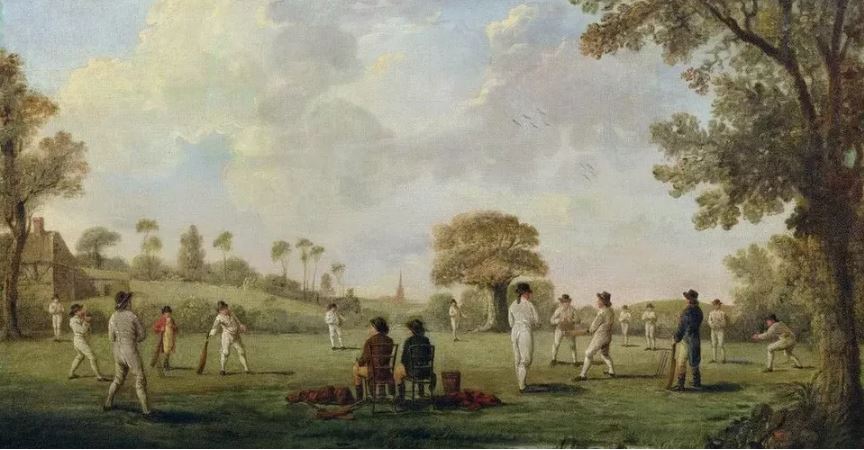
The fact it was a bitterly cold day encouraged the members of the Probus Club of Basingstoke to think about summer days and hearing the strike of willow on leather as their guest speaker, Mike Brook, reminisced about his interest in that most English of games, cricket. Hampshire is home to the Hambledon Cricket Club, founded in 1750, known as the cradle of cricket, where many of the laws of the game were formulated.
Most people learn something new every day and this occasion was no different. Because this was Mike Brook’s 222 speaking engagement, the cricket aficionados understood that this could be termed a double Nelson.
Apparently, a Nelson in cricket is when the score is on 111 runs and considered unlucky. It was named after Admiral Lord Nelson who, many people recall history incorrectly, had one eye, one arm and one leg. This is not strictly true as he lost his sight but not his eye and had two legs when he died. And when the three wickets are viewed without the bails look like 111 which indicates the person at the crease is dismissed.
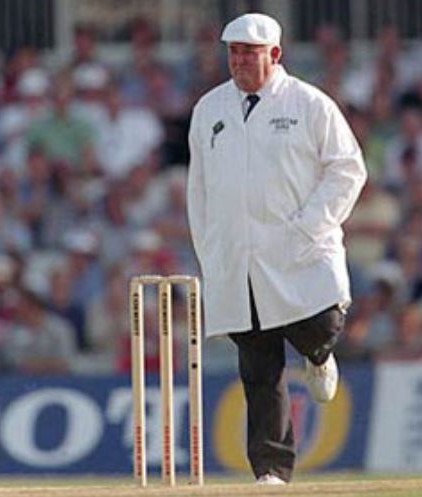
Tradition has it that on this score the batters and umpires raise a leg to salute the Admiral. Umpire David Shepherd was most superstitious about Nelson, he didn’t just bend his leg but attempted to keep it off the ground until the score was past 111 or multiples of that number.
But many question what it is about cricket that keeps many middle-aged men interested and playing the game long after much younger men have retired from other field team sports.
It certainly is not an easy game and because the fear of physical injury is very common in recent years much protective equipment is worn by the two batters at the crease, the wicket keeper and those fielders positioned close to the batter. These days it is not correct to call them batsmen as more ladies take up the game.
It is said to be character building although each match score book clearly show the failures. The greatest number of wickets being lost is when the score is at zero, so there is real pressure on the opening pair of batters. Pre-game nerves are only sated when the game is won. However, batters would prefer a good personal run total in a losing game than a poor score in a winning team.
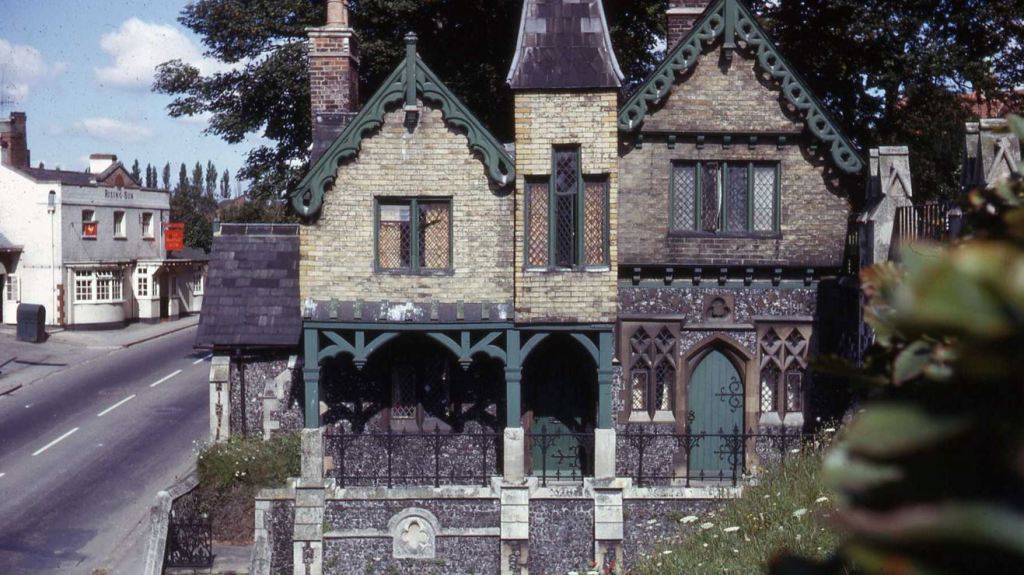
The radio programme Test Match Special, which has ball by ball commentary over the five days’ play has changed over the years. The schoolboy humour of Brian Johnston sometimes irked one of the greatest commentators, Basingstoke’s own John Arlott. He was born at the lodge house at the old cemetery on Kingsclere Road. and educated at Queen Mary’s grammar school in the town. He was at the microphone the first time a streaker ran across the pitch and called her a freaker. This activity is something that women find fascinating with many copying this act over the years.
During wartime a cricket match was abandoned due to fog, but the commentators continued to broadcast this now fictitious game so as not to let the Germans know about the weather.
Mike Brook finished off by considering the closeness of cricket to golf by recalling the story of the radio programme with Eric Sykes coming home frustrated at his performance on the golf course and threw his bag of clubs into the corner. Hattie Jacques questioned why continue playing if it gets him into a bad mood, with the reply coming, “because it’s the only pleasure I get”.
 Probus Club of Basingstoke
You must be logged in to post a comment.