In extremely wet conditions when the rain was relentless, a clear winner emerged some 7 points ahead of his nearest rival. There was a brief period when there was a break in the inclement conditions when the winner, clearly determined to succeed, removed his outer waterproof garments to reveal a golfing jumper depicting the wearer in days gone by. This psychological advantage spurred the owner to score a commendable 33 points.
Richard Stettner watches as Jeff Grover marches towards the holewhile Alan May & Geoff Twine seek shelter in their buggy
In second place was the host who normally only ever plays 9 holes at Test Valley and there was a real fear that he may get lost during the 2nd nine holes. Fortunately, this did not materialise.
Runners Up -Geoff Twine (4th), Richard Stettner (2nd) Jeff Grover (3rd)
Third and fourth places went to the defending champion and a nonagenarian who, in reality, put everyone to shame as he played commendably well under the onerous conditions. He lost only on countback over the last 9 holes.
Winner Alan May (centre) with Geoff Twine and Jeff Grover
The bedraggled golfers emerged over the horizon in two buggies and left the 18th green to be met by David Wickens who had laid on bacon and sausage butties and plates of chips that were eagerly devoured by all.
The official results were: 1. Alan May with 33 points 2. Richard Stettner on 26 points 3. Jeff Grover with 24 points 4. Geoff Twine with 24 points
The winner receives a trophy for safe keeping for 12 months and then has the responsibility for organising its defence in 2024.
Dry at last. Alan May proudly holding the winner’s shield
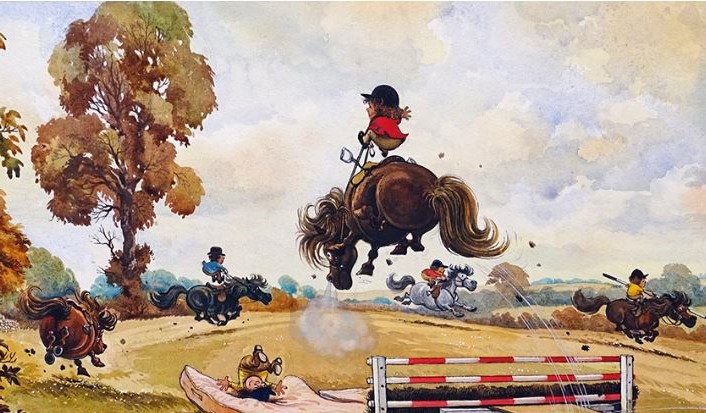
Readers, probably over the age of thirty-five, when the name of Thelwell is mentioned, will remember iconic subjects of small, fat, hairy ponies ridden at full tilt by alarming young ladies. Indeed, the Thelwell pony has become part of the English language.
But, as speaker Tim Craven explained, Norman Thelwell’s range as a cartoonist went far beyond ponies and included fishing, gardening, house hunting, motoring, sailing, dogs, cats, farming, stately homes, children and country pursuits, all given the Thelwell treatment. There was much more to this artist than first appears as the speaker went on to outline.
Life for Norman Thelwell had started in lowly circumstances, born into a terraced house near Birkenhead, he just had a natural affinity for drawing. A pencil sketch of a self-portrait created when he was only ten demonstrated his skill. Joining the army at eighteen in 1941 his artistic talent kept him away from hostilities, even when in India he became involved in producing the Victory magazine which prevented him from action in Burma.
His time in the army enabled him to develop cartoon illustrations of military life. He came to recognise that selling a picture to a magazine was worth more than a month’s army pay so it dawned on him that there could be a living to be made using his artistic talent.
Formal artistic education at Nottingham and Gateshead schools of art was followed by a degree at Liverpool School of Art so it was natural that he became an art teacher. He persevered with expanding freelance work until it reached such a level that he decided to go completely freelance as an artist. He worked in this manner for Punch Magazine for twenty-five years during which time he produced over 1,500 cartoons and sixty front covers. National newspapers were another outlet for his work.
Tim Craven was the curator at Southampton City Art Gallery when, in 2001, he received a phone call from Mrs Thelwell about the conservation of water colour paintings. By this time Norman Thelwell was outside the mainstream of being a public figure and had lived for thirty-five years near Romsey in Hampshire, so Tim was eager to become involved in conserving the extensive work of this local world-famous artist.
There was a large quantity of paintings to consider but what became apparent was that while cartoons had made him famous having published 32 books, selling over two million copies which had been translated into several languages and earned him a good living, it was his interest in painting landscapes that was his real passion. The quality of work was so good that Thelwell’s country scenes could sit alongside those of the greatest English artists.
Thelwell was very much an adopted countryman and did his best to support the protection of rural England and especially the Test Valley fighting against gravel extraction. There have been several exhibitions of Thelwell’s artwork, showing his various styles that were curated by Tim Craven with one exhibition attracting 64,000 visitors.
Today, a century after his birth, it is still possible to use Thelwell’s images for many types of merchandising opportunities, so the drawings of his small, fat, hairy ponies continue.
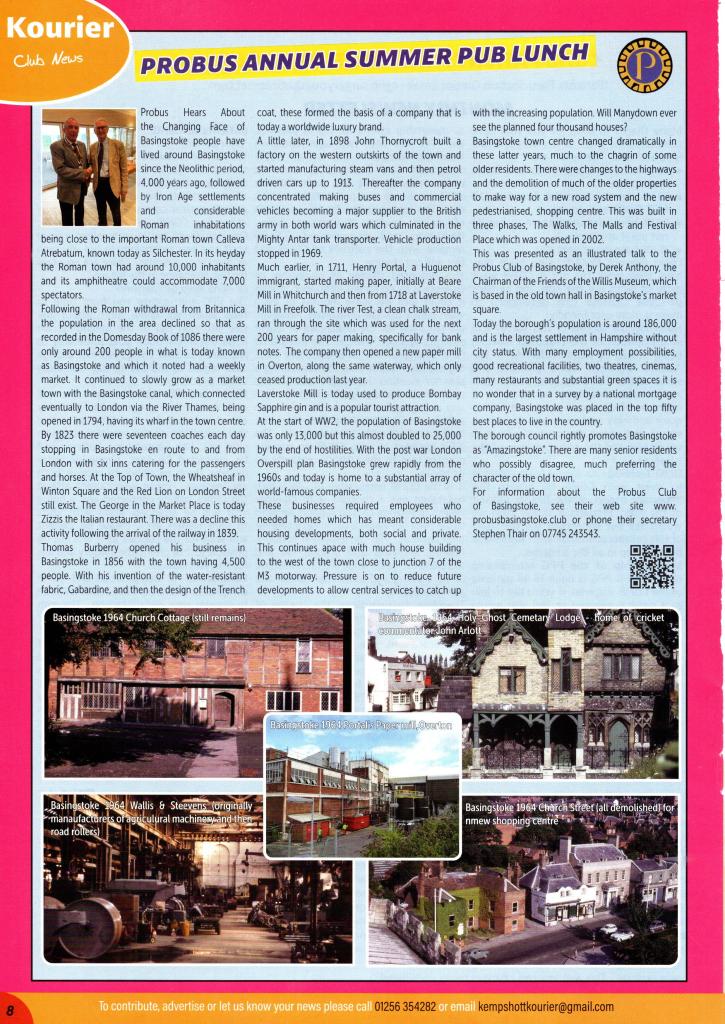
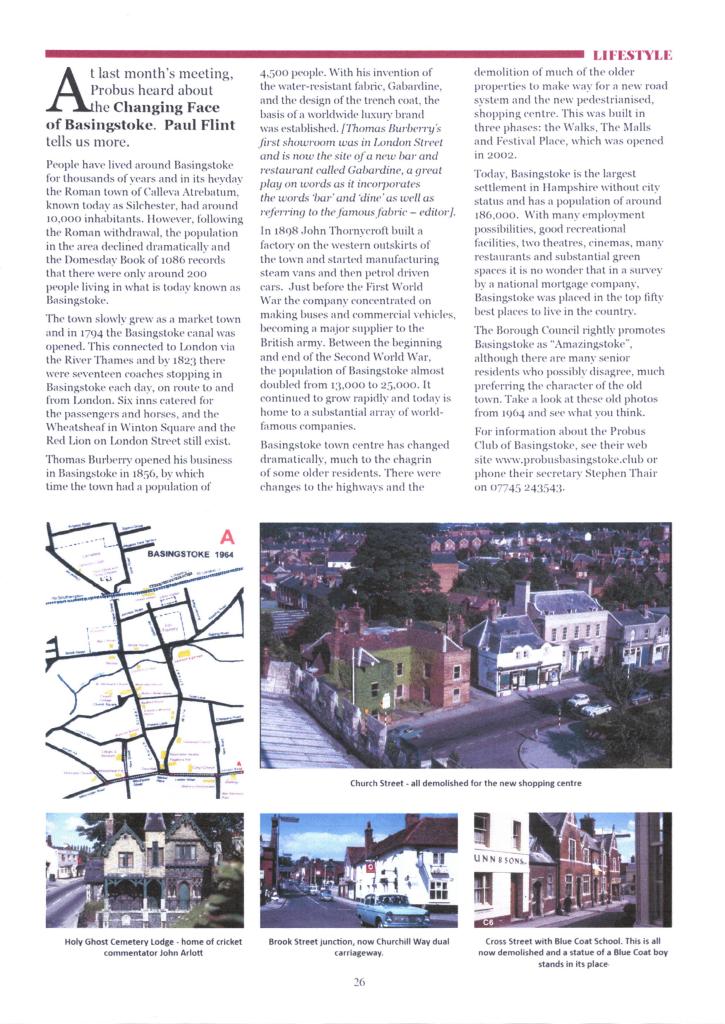
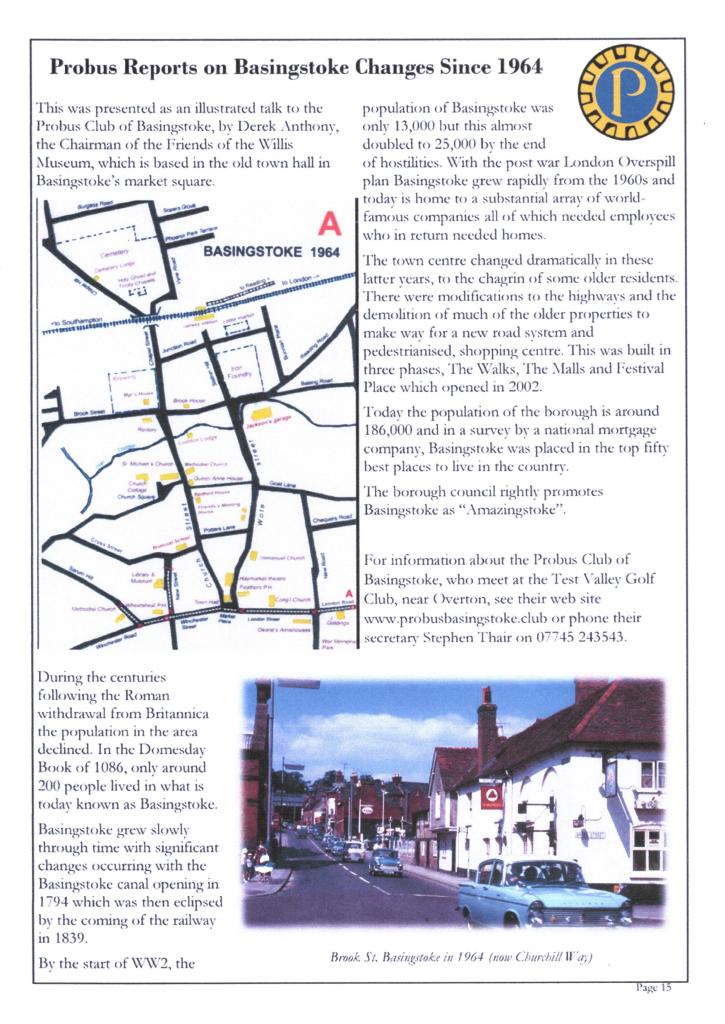
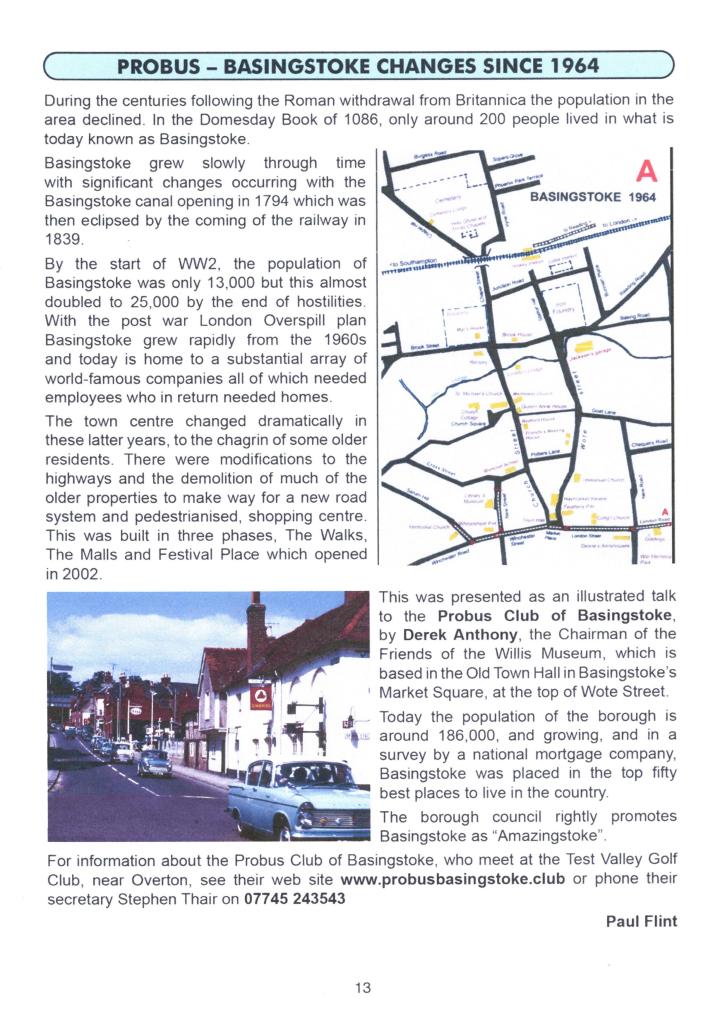
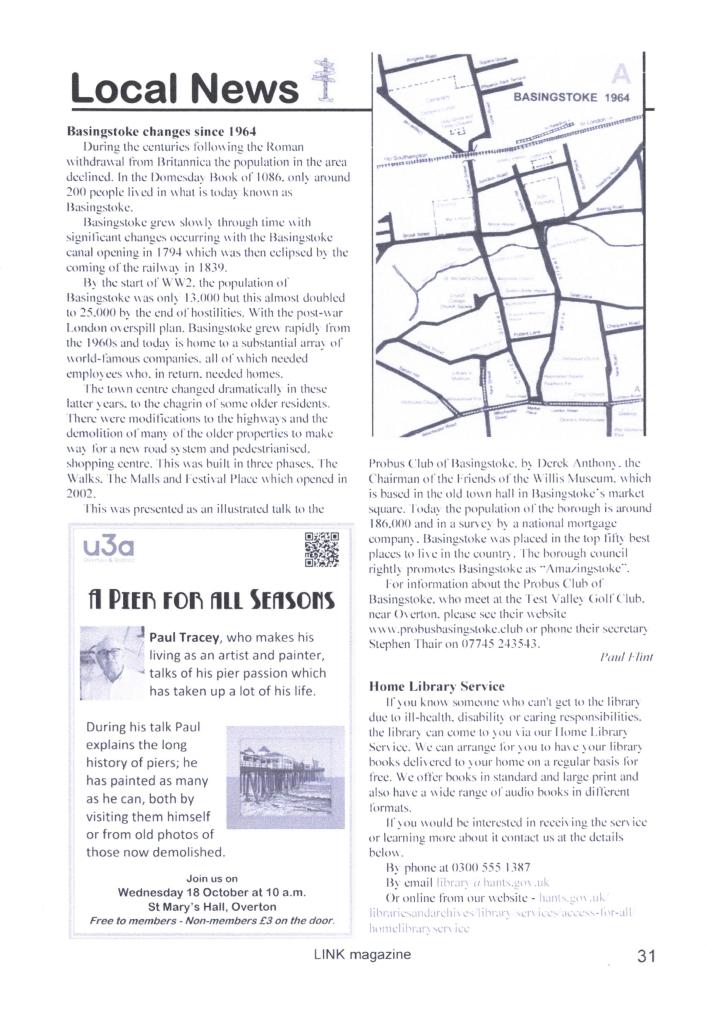
The October magazines did us proud with all featuring the report about changes that have impacted on Basingstoke. While the talk by Derek Anthony concentrated around visual images of the town prior to the extensive changes that took place in the 1960s I expanded it to include historical points and the current position of our modern town.
After much planning by Outings Organiser, Chris Perkins, beset with several delays over a year, the day dawned on Thursday 28 September for the self-drive trip to Blenheim Palace in Oxfordshire.
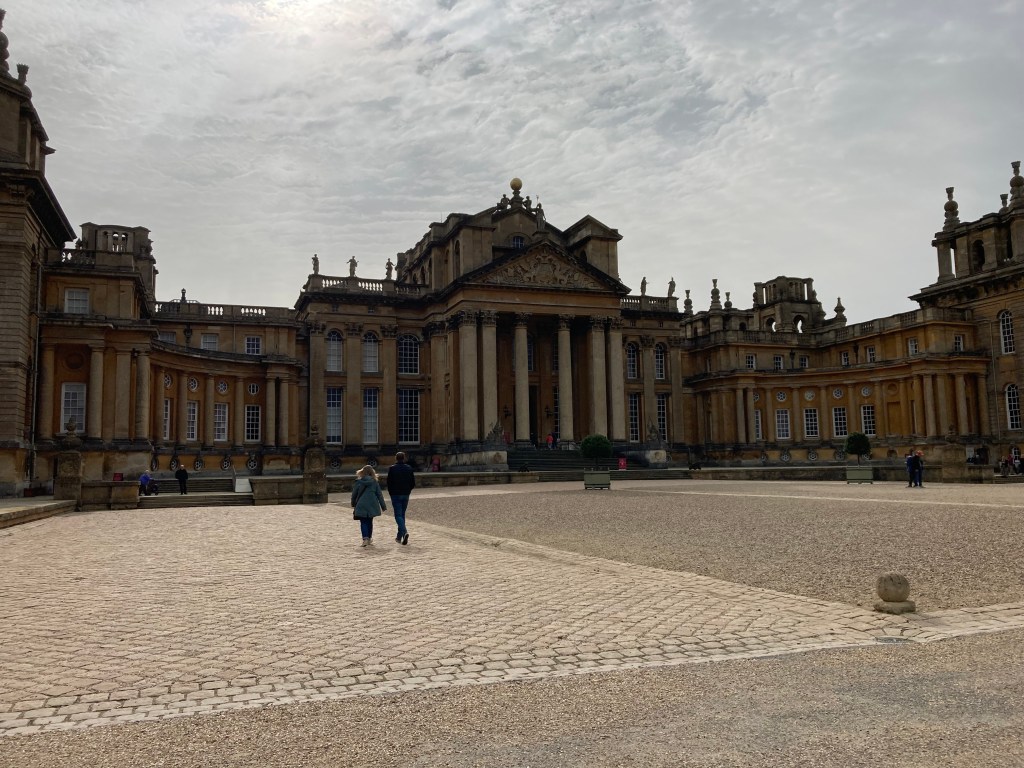
Sixteen in total made the easy drive, all arriving ahead of schedule and had to wait for Chris and Carolyn who then obtained the wrist bands that were to gain us entry into this magnificent edifice built to celebrate the victorious battle of Blenheim in 1704. Queen Anne, in 1705, made a gift to the Duke of Marlborough, of Woodstock Park and a promise of £240.000 to build a substantial house as a gift from a grateful Crown.
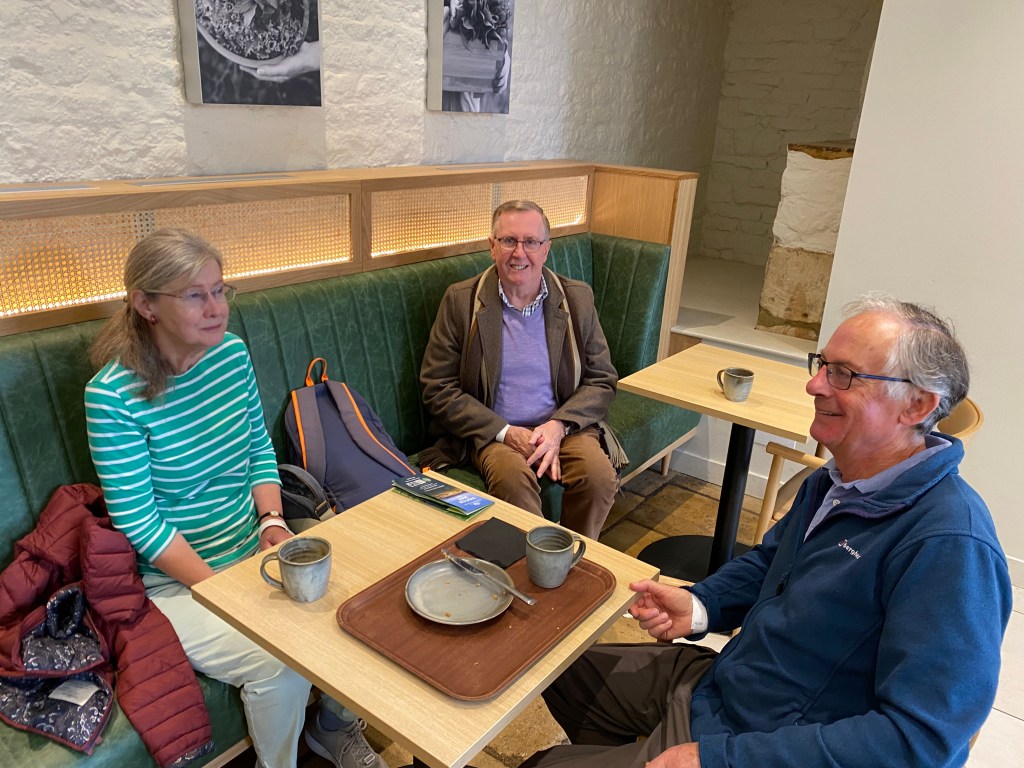
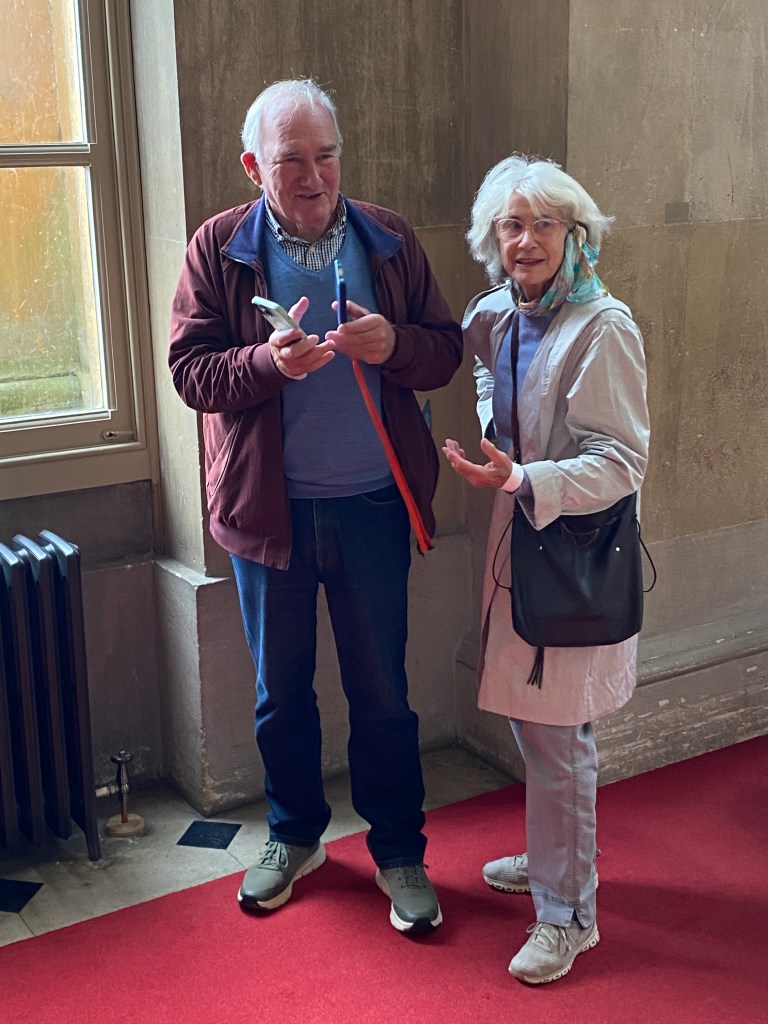
Well known as the birthplace of Winston Churchill, this building and grounds is a splendid place to visit but the first call was in the Oxfordshire Pantry which housed a shop and café but most importantly also had toilets. After that it was left up to ourselves where to visit first. Probably most headed into the house for a tour of the magnificent state rooms with wonderful tapestries and paintings which was aided by an audio guide. Nick Waring was surprised that his guide started the commentary in Russian before selecting English from the six languages available.
In the lower part of the palace was the Churchill exhibition which was a spectacle of his life with facsimiles of letters to his wife Clementine, his writings, several of his paintings and the famous speech of “blood, toil, tears and sweat”.
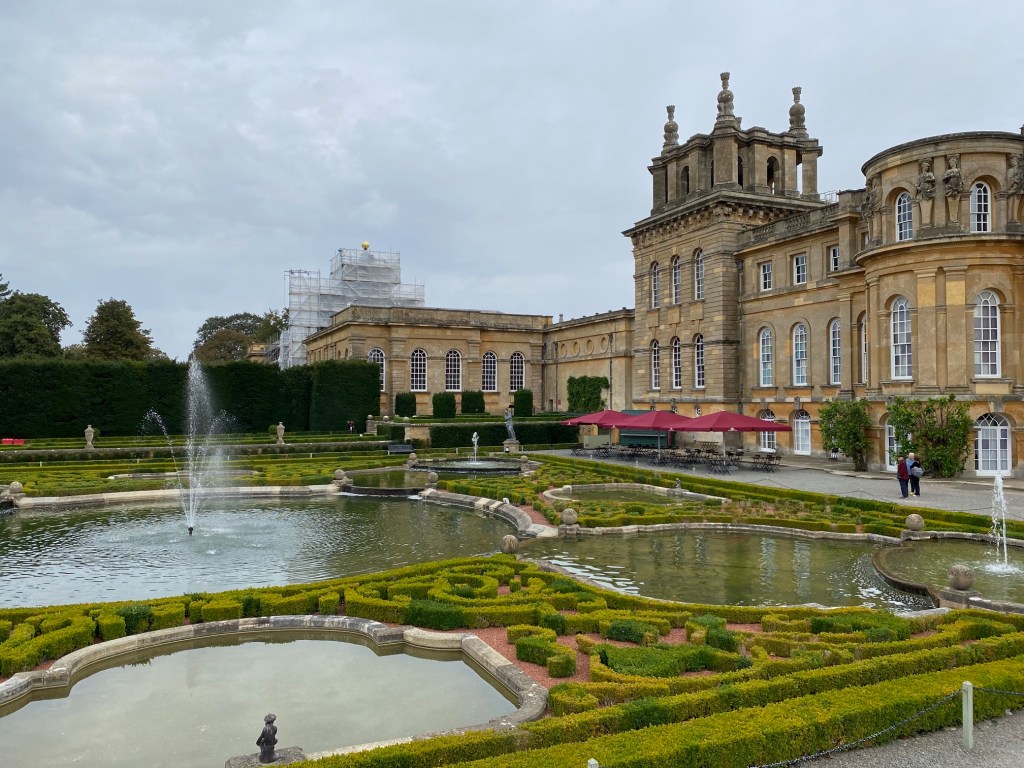
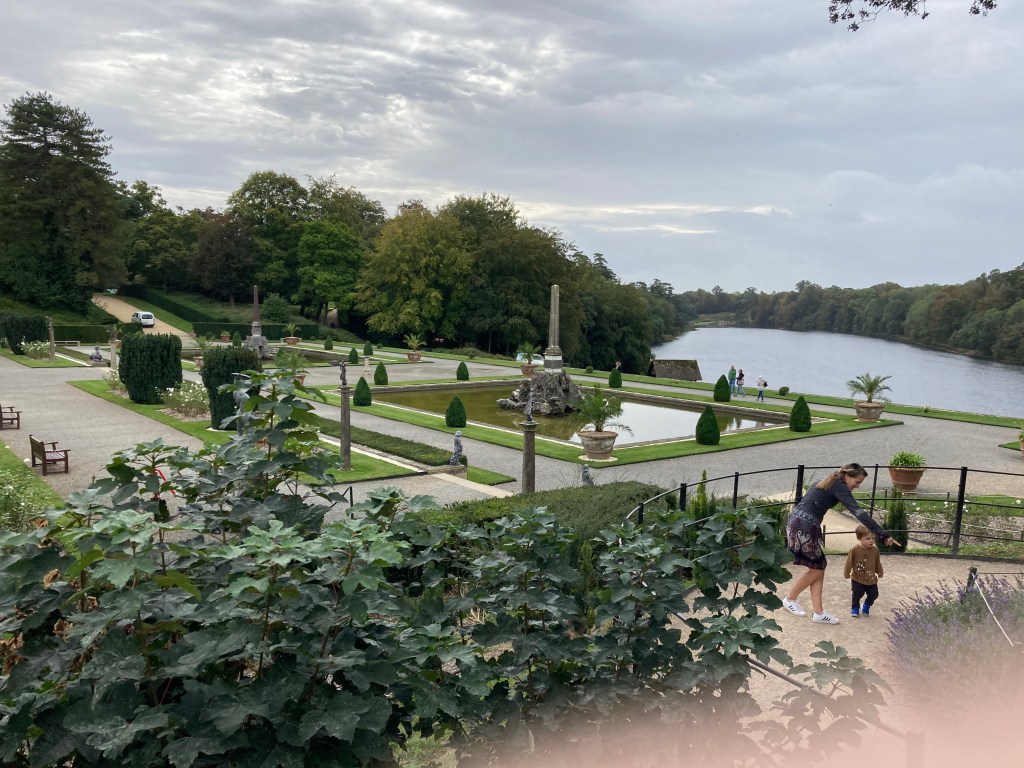
The park land is so large that it was not possible to include much of this within our time although many did reach the formal gardens that faced the Great Lake.
The following photographs give an indication of the richness of the contents of the palace.

















 Probus Club of Basingstoke
You must be logged in to post a comment.