
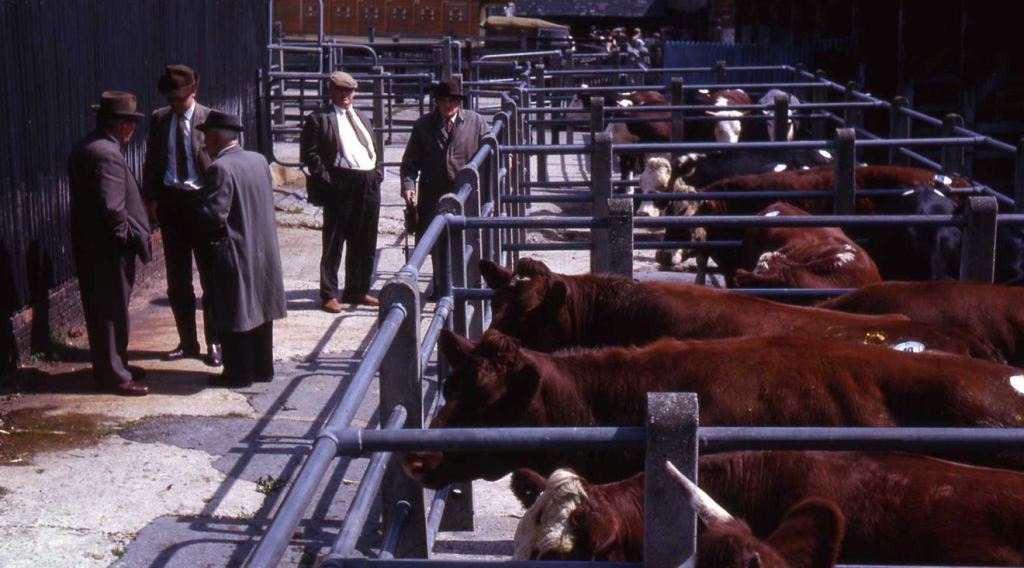
During the centuries following the Roman withdrawal from Britannica the population in the area declined. In the Domesday Book of 1086, only around 200 people lived in what is today known as Basingstoke but it noted that it had a market.
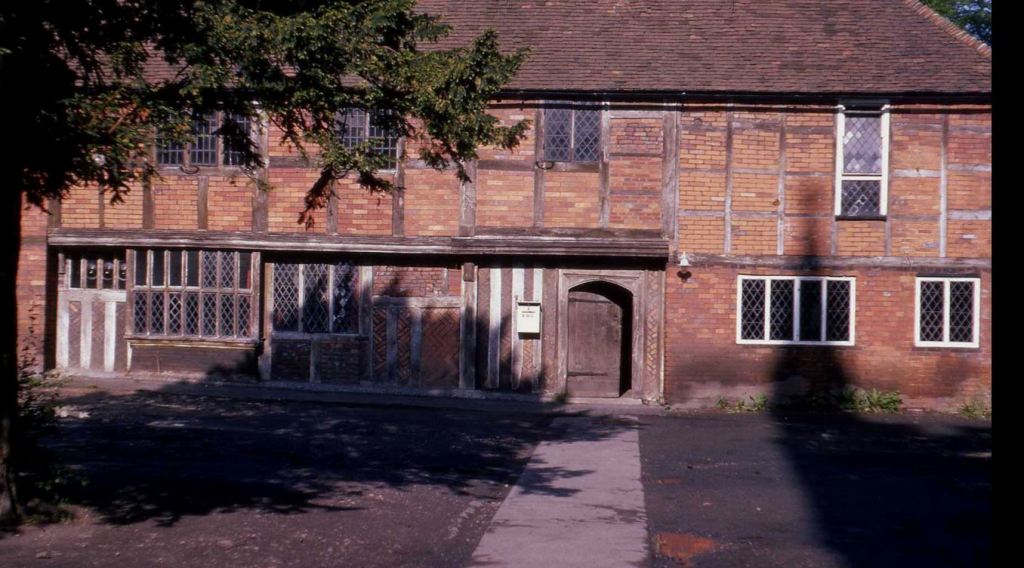
Basingstoke grew slowly through time with significant changes occurring with the Basingstoke canal opening in 1794 which was then eclipsed by the coming of the railway in 1839. Previously there had been 17 coaches a day passing through Basingstoke where several inns attended to horses and passengers. Today the Wheatsheaf in Winton Square and the Red Lion in London Street still remain while the George in the market place is now Zizzis Italian restaurant.
By the start of WW2, the population of Basingstoke was only 13,000 but this almost doubled to 25,000 by the end of hostilities. With the post war London Overspill plan Basingstoke grew rapidly from the 1960s and today is home to a substantial array of world-famous companies all of which needed employees who in return needed homes.
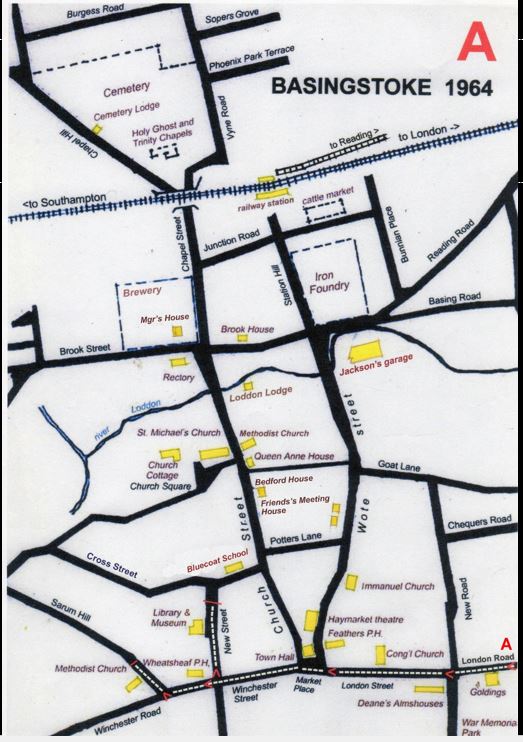
The town centre changed dramatically in these latter years, to the chagrin of some older residents. There were modifications to the highways and the demolition of much of the older properties to make way for a new road system and pedestrianised, shopping centre. This was built in three phases, The Walks, The Malls and Festival Place which opened in 2002.
This was presented as an illustrated talk to the Probus Club of Basingstoke, by Derek Anthony, the Chairman of the Friends of the Willis Museum, which is based in the old town hall in Basingstoke’s market square.




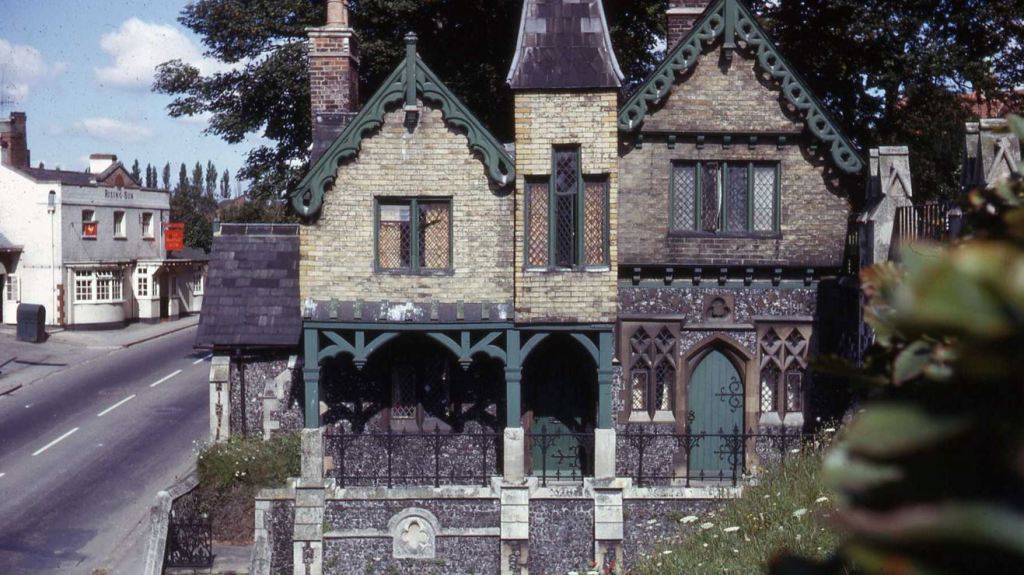
John Arlott
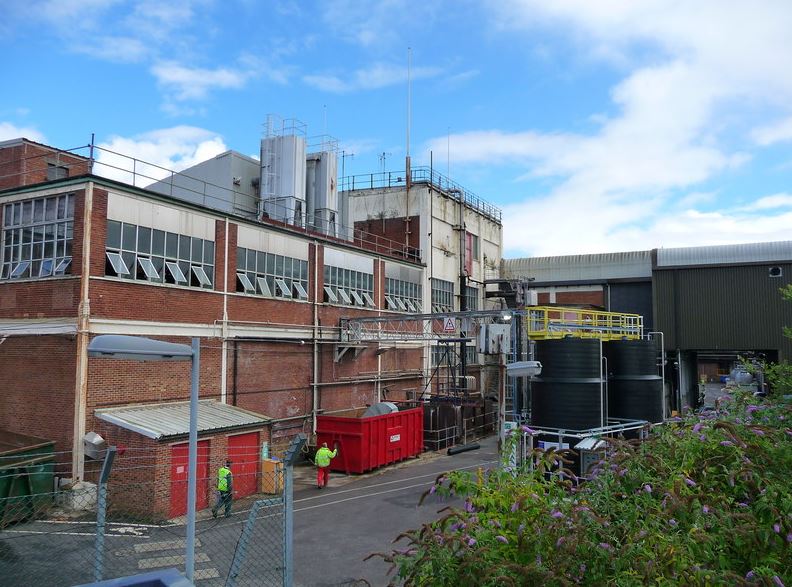
Today the population of the borough is around 186,000 and in a survey by a national mortgage company, Basingstoke was placed in the top fifty best places to live in the country.
The borough council rightly promotes Basingstoke as “Amazingstoke”.
There are some older residents who have a different opinion.
 Probus Club of Basingstoke
You must be logged in to post a comment.